
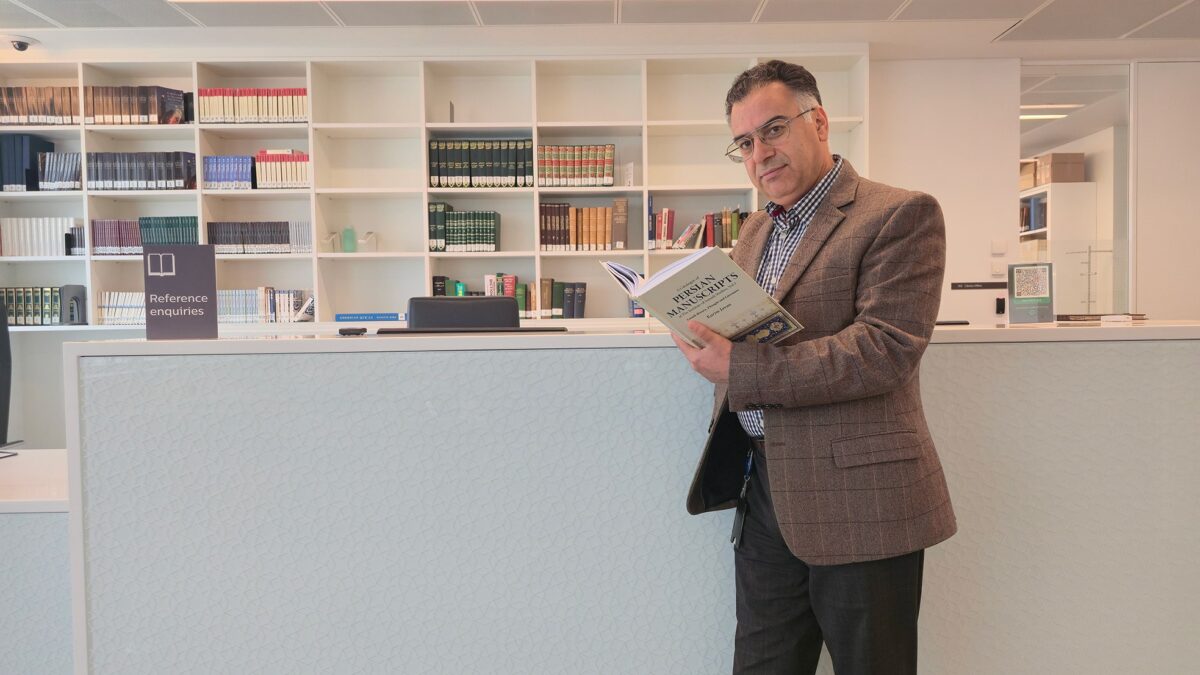
نشر الدكتور كريم جوان، الباحث المشارك في معهد الدراسات الإسماعيلية، كتاب فهرس المخطوطات الفارسية المحفوظة في معهد الدراسات الإسماعيلية، المجلد الأول: التاريخ والفكر والأدب الإسماعيلي. ويُعدّ هذا الكتاب أول فهرس شامل للمخطوطات الفارسية الـ126 المحفوظة في المعهد، وهو ما يُسهل اكتشاف ودراسة وتقدير هذا التراث المكتوب الهام.
قرون من الفكر والممارسة الإسماعيلية
تمتد هذه المخطوطات المكتوبة باللغة الفارسية عبر قرون عديدة من الحياة الفكرية والدينية الإسماعيلية. وتشمل موادَّ مرتبطة بالعصر الفاطمي، والتقليد النزاري في آلموت، ومرحلة الإحياء التي تمركزت في أنجدان، والفترة التي أعقبت هجرة الإمام حسن علي شاه، الآغا خانوهو لقب منحه شاه بلاد فارس للإمام الإسماعيلي آنذاك في عام 1818، وورثه كل من خلفائه في الإمامة. الأول، من إيران إلى الهند البريطانية في القرن التاسع عشر.
تحتوي المخطوطات المدرجة في الفهرس على مؤلفات في علم الكلام والفلسفة والأخلاق والشعر والطقوس والتاريخ، مما يشهد على ثراء المجموعة وتنوّعها. كما تضم مجلدات مركّبة تُعرف بـ"المجموعات"، نُسخت فيها عدة نصوص قصيرة معًا. وقد استخدم كثيرًا منها مالكون من الأفراد وأضافوا إليها على مرّ الأجيال. ونتيجةً لذلك، فهي لا تحفظ النصوص فحسب، بل تحفظ أيضًا آثار المجتمعات التي قرأتها ونسختها وعُنيت بها.
يكشف هذا المجلد عن مصادر لم تحظَ من قبل إلا باهتمام علمي ضئيل أو لم تحظَ به على الإطلاق. فهو يحدّد نصوصًا لم يُسجَّل لها عنوان أو مؤلف، مستعينًا بقرائن مثل السطور الافتتاحية واللغة وسياق المخطوطة. كما يعرّف بمؤلفين لم تُحدَّد هوياتهم سابقًا أو غير معروفين على نطاق واسع، من خلال تراجم موجزة.
الصلة بفلاديمير إيفانوف
يرتبط جزء مهم للغاية من المجموعة بفلاديمير إيفانوف، الذي أرست أعماله دعائم الدراسة الحديثة للتاريخ والأدب الإسماعيليين؛ إذ تحفظ ملاحظاته معلومات قيّمة حول أصل وتاريخ العديد من المخطوطات. وربما نُسخ بعضها بخط يده أيضًا، ومنها المخطوطة MS Per 22، مما يوفّر صلة مباشرة بنشاطه في الجمع والبحث بين المجتمعات الإسماعيلية في إيران وآسيا الوسطى والهند.
يسلط الفهرس الضوء أيضاً على النطاق الجغرافي الواسع الذي تعكسه المجموعة؛ إذ تعود أصول المخطوطات في المقام الأول إلى الهند، ومنطقتي بدخشان (في طاجيكستان وأفغانستان)، وإيران، وشمال باكستان. وتوثق هذه المخطوطات مجتمعةً عمليات حفظ التقاليد الأدبية الإسماعيلية وتناقلها بين المجتمعات الناطقة بالفارسية.
تتجاوز عملية الفهرسة مجرد وصف المخطوطات؛ فهي تُظهر النصوص الخفية، وتساعدنا على تتبّع كيفية حفظ المجتمعات للمعرفة وتبادلها، كما تضع أساساً للأبحاث المستقبلية حول التاريخ والفكر والثقافة الإسماعيلية.
ومن المقرر إصدار مجلد ثانٍ عن مقتنيات المعهد من المخطوطات الفارسية. وسيتناول هذا المجلد في المقام الأول المخطوطات غير الإسماعيلية، وسيغطي طيفًا واسعًا من الأنواع الأدبية، بما في ذلك الأدب الشيعي والتصوف والشعر الفارسي. وسيتم الإعلان عن مزيد من التفاصيل في الوقت المناسب.