

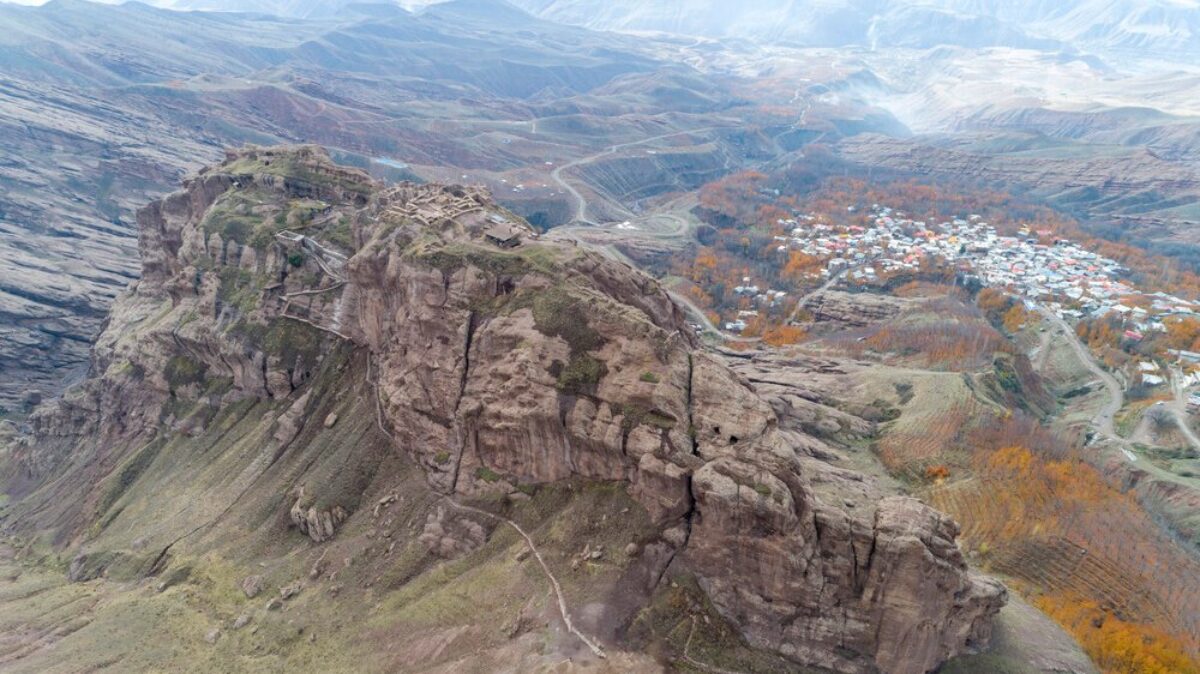
O Comité do Património Mundial da UNESCO inscreveu o Castelo de AlamutFortaleza dos Ismailis Nizaris no norte do Irão, que caiu nas mãos dos Mongóis em 654 AH/1256 d.C.e as fortificações que lhe estão associadas na Lista do Património Mundial. O Comité tomou esta decisão no domingo, 26 de julho de 2026, na sua 48.ª sessão, realizada em Busan, na República da Coreia. O castelo é o 30.º sítio cultural do Irão a integrar a Lista do Património Mundial. A menção reconhece Alamut como o centro político, militar e intelectual dos IsmailisAdeptos de um ramo do Islão Shi'i que considera Ismail, o filho mais velho do Imam Shi'i Jaʿfar al-Ṣādiq (m. 765), como seu sucessor.Nizaris.
Uma rede de sete fortificações
A inscrição abrange sete sítios, em vez de um único monumento. O Castelo de Alamut situa-se no centro, com seis fortificações associadas: Lamasar, Navizarshah, Shams Kalayih, Qustinlar, Shirkuh e Ilan. Os sítios estão distribuídos pelos vales oriental e ocidental de Alamut, na província de Qazvin, no norte do Irão. Em conjunto, as fortificações ocupam as encostas sul da cordilheira de Alburz.
A UNESCO inscreveu o complexo ao abrigo do critério cultural (iii). A descrição refere uma rede fortificada que serviu de refúgio e de centro de erudição e cultura. Essa rede sustentou a comunidade Nizari até à queda de Alamut, em 1256.
Hasan-i Sabbah e o Estado Nizari
Hasan-i Sabbah assumiu o controlo de Alamut em 1090. A partir dessa base fundou o Estado Ismaili Nizari nas montanhas de Alborz. O Estado controlou territórios que abrangiam o atual Irão e a Síria durante mais de 160 anos. Alamut serviu de centro político, militar e intelectual desse Estado até 1256.
Hasan-i Sabbah também formulou a doutrina do Ta‘lim. Essa doutrina defendia que a razão, por si só, não consegue alcançar o conhecimento de Deus e que é necessário um mestre. Esta doutrina central moldou o pensamento nizari durante todo o período de Alamut.
O período de Alamut trouxe também uma mudança duradoura na língua. O persa, e não o árabe, tornou-se na língua de trabalho da tradição nizari durante os séculos que se seguiram.
Um centro de aprendizagem
Alamut é mais conhecido como fortaleza, mas a fortaleza também albergava uma biblioteca. O historiador da corte mongol do século XIII, ʿAta-Malik Juvayni, visitou Alamut logo após a sua captura e registou ter visto ali livros científicos e instrumentos astronómicos, incluindo astrolábios e esferas armilares.
O estudioso Nasir al-Din al-Tusi passou cerca de 35 anos na comunidade ismaili daquela região. Durante esses anos, al-Tusi redigiu ou reviu obras importantes sobre lógica, filosofia, matemática e astronomia. O IIS publicou a obra Rawda-yi taslim, de al-Tusi, em persa e em inglês, sob o título Paradise of Submission (Paraíso de Submissão).
Ler Alamut para além da lenda
Grande parte da reputação posterior de Alamut assenta nos escritos dos opositores da comunidade. Os mongóis destruíram a biblioteca de Alamut em 1256, juntamente com os registos escritos da própria comunidade. Posteriormente, os relatos europeus basearam-se em relatos polémicos anti-ismailis, em vez de em fontes nizaris.
A palavra europeia "assassin(o)" entrou nas línguas ocidentais através dos relatos que remontam aos cruzadosUm termo aplicado aos invasores cristãos que levaram a cabo numerosas campanhas para conquistar Jerusalém e a Palestina aos muçulmanos nos séculos XI e XIV d.C. e outras fontes europeias. Os textos atuais sobre violência política continuam a recorrer a esses relatos e às polémicas medievais contra os Ismailis como provas credíveis. A citação refere Alamut como um centro intelectual, uma descrição que os registos polémicos há muito têm vindo a obscurecer.
Ao longo dos últimos 50 anos, os estudiosos recuperaram grande parte do material que sobreviveu à destruição de Alamut. O Dr. Farhad Daftary analisou as origens da polémica anti-ismaili em The Assassin Legends: Myths of the Ismailis (As Lendas dos Assassinos: Mitos dos Ismailis). É Diretor Emérito e membro do Conselho de Administração do IIS. Além da sua investigação ao longo de toda a vida sobre os Ismailis Nizaris, está agora a preparar uma nova obra sobre Hasan-i Sabbah, que será publicada oportunamente.
Uma comunidade que continua
A comunidade Ismaili Nizari não teve o seu fim com a queda de Alamut, em 1256. Atualmente, os membros da comunidade vivem em mais de 25 países. Uma linhagem hereditária de Imams continua a dirigir comunidade, que beneficia agora da liderança de Sua Alteza, o Príncipe Rahim Aga Khan V.
Sua Alteza, o falecido Príncipe Karim Aga Khan IV, fundou o Instituto de Estudos Ismailis (IIS) em 1977. O IIS promove o estudo das tradições muçulmanas, com especial destaque para o património Shi'i e Ismaili Nizari.
Saiba mais
Esta inscrição reconhece apenas um capítulo de uma história muito mais longa. Os recursos abaixo constituem um bom ponto de partida para conhecer o resto dessa história.