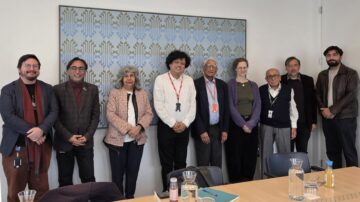

O Instituto de Estudos Ismailis (IIS) recebeu, esta semana, no Centro Aga Khan, destacados estudiosos dos primórdios do Judaísmo, do Cristianismo e do Islão. A conferência de dois dias, intitulada«Antes da “busca da felicidade: o Florescimento Emocional nos Primórdios do Judaísmo, do Cristianismo e do Islão", decorreu na terça-feira, 7, e na quarta-feira, 8 de julho de 2026.
A Dra. Karen Bauer, professora associada de Estudos do Qur'an no IIS, organizou a conferência em conjunto com a Dra. Françoise Mirguet, da Universidade do Estado do Arizona, e o Dr. Daniel An, da Universidade de Yonsei. A British Academy organizou o evento em parceria com o IIS, com o apoio adicional do Wellcome Trust.
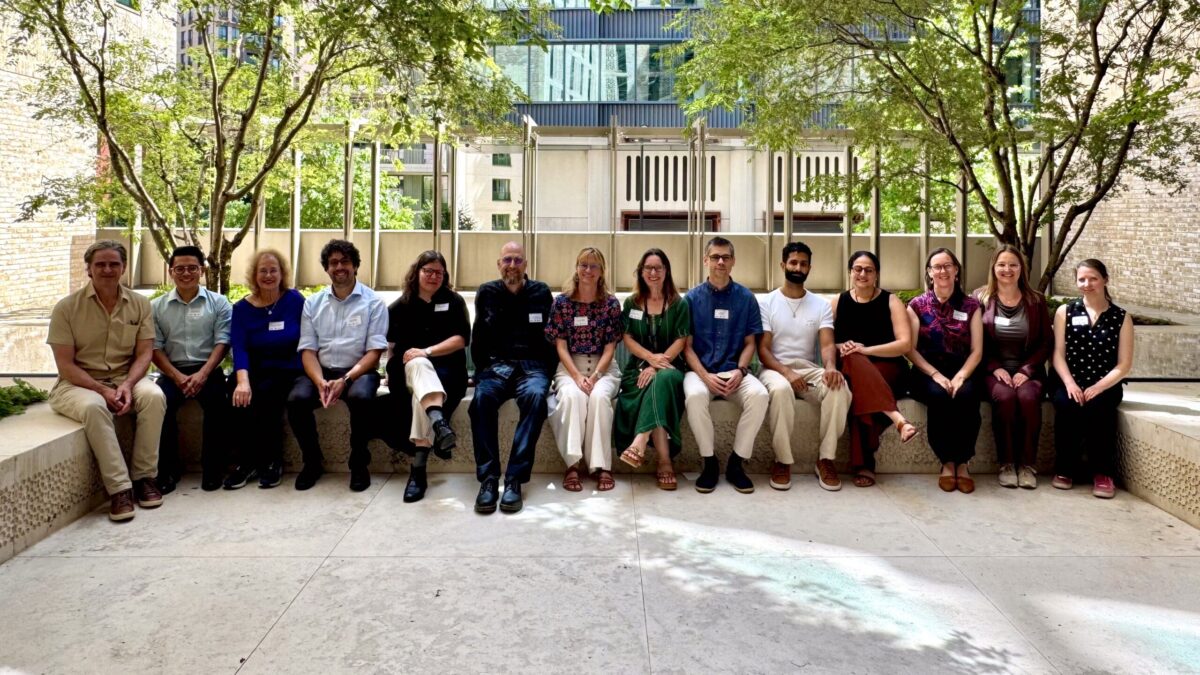
Antes da busca pela felicidade
A felicidade e o bem-estar são temas em voga atualmente. A sua história, no entanto, continua a ser muito menos estudada e compreendida. No mundo anglófono, a felicidade é hoje amplamente considerada tanto um sentimento positivo como um valor positivo — algo que se deve procurar ativamente. No entanto, esta associação é historicamente contingente.
O significado e o estatuto moral da felicidade têm sido objeto de debate há muito tempo. Os primeiros pensadores religiosos analisaram a relação entre a virtude — o estado de ser bom — e o prazer — a sensação de bondade. Apesar do crescente interesse académico pela história da felicidade, os estudos comparativos sobre os ideais emocionais entre as tradições religiosas continuam a ser surpreendentemente raros. A conferência abordou diretamente essa questão. Especialistas no pensamento judaico, cristão e islâmico antigos exploraram o que significava «prosperar» antes de a busca da felicidade se tornar dominante na cultura ocidental.
O que foi abordado na conferência
Os participantes analisaram a forma como os ideais de plenitude emocional se desenvolveram ao longo do tempo no seio de cada tradição. Analisaram também como esses ideais se cruzavam e se influenciavam mutuamente entre as diferentes comunidades religiosas, bem como quais as funções sociais e morais que desempenhavam. Entre os temas abordados contaram-se a virtude, a ética e uma vida bem vivida; o papel das emoções no desenvolvimento moral e espiritual; e as interpretações religiosas do prazer, do desejo, da alegria e da realização.
Os oradores analisaram também a forma como estas perspetivas históricas se relacionam com os debates contemporâneos sobre a felicidade, a realização pessoal e a condição humana. A conferência constituiu, assim, um contributo significativo para o estudo interdisciplinar do bem-estar humano, lançando luz sobre uma história intelectual rica e pouco estudada.
Palestra principal e oradores
O professor Darrin McMahon, um dos principais historiadores da ideia de felicidade, proferiu o discurso de abertura. O programa geral incluiu apresentações de investigação e painéis de debate com académicos provenientes de instituições da América do Norte, da Europa, da Ásia Ocidental e da Ásia Oriental.
Entre os colaboradores contam-se Andrew Crislip, David Lambert, Erez DeGolan, Eyad AbuAli, Julia Bray, Han Hsien Liew, Hava Tirosh-Samuelson, Katherine Hockey, Katharina Heyden, Kylie Crabbe, Nancy Khalek e Sara Kipfer, a par dos três organizadores. Estes académicos abrangem disciplinas como os estudos religiosos, a história, a teologia e a filosofia.
Sobre os organizadores
A Dra. Karen Bauer dedica-se à investigação do Qur'an e da história da sua receção, das mulheres e das questões de género no Qur'an e no pensamento islâmico, bem como da história das emoções. As suas publicações incluem "Mulheres, Famílias e o Além no Qur'an: Um Patrocínio da Piedade» (Oxford University Press, 2023, em coautoria com Feras Hamza) e Gender Hierarchy in the Qurʾan: Medieval Interpretations, Modern Responses (Hierarquia de Género no Qur'an: Interpretações Medievais, Respostas Modernas) (Cambridge University Press, 2015).
A Dra. Françoise Mirguet é professora associada de Hebraico Antigo e História das Emoções na Universidade do Estado do Arizona. A sua investigação centra-se nas emoções e na história do eu na literatura judaica da antiguidade tardia. O seu livro An Early History of Compassion: Emotion and Imagination in Hellenistic Judaismo (Uma História Primitiva da Compaixão: Emoção e Imaginação no Judaísmo Helenístico (Cambridge University Press, 2017) constitui uma contribuição fundamental para esta área.
O Dr. Daniel An é professor assistente de História da Igreja na Universidade de Yonsei, em Seul. A sua investigação baseia-se em materiais arqueológicos e fontes textuais em grego, siríaco e copta, relevantes para a história social do Cristianismo primitivo na Ásia Ocidental. O seu primeiro livro, Fear of God: Practicing Emotion in Late Antique Monasticism (Temor de Deus: A Prática da Emoção no Monaquismo da Antiguidade Tardia), foi publicado pela University of California Press em 2025.