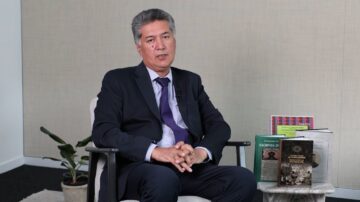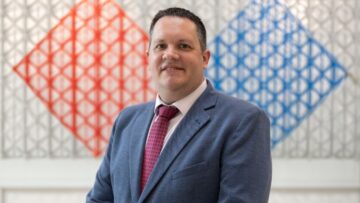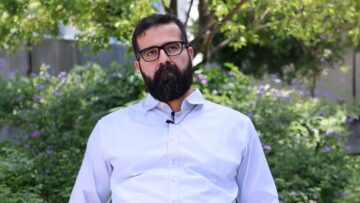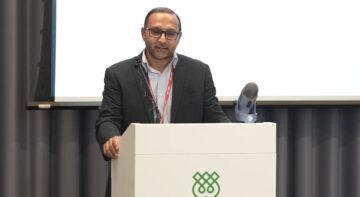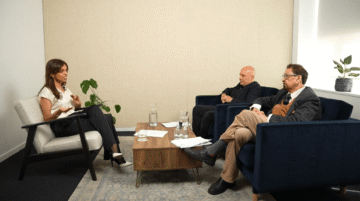
In this lecture from the Islamic History and Thought Lecture Series (IHTLS), Professor Muhammad Umar Faruque presents key ideas from his book Sculpting the Self: Islam, Selfhood and Human Flourishing. The session was moderated by Dr Orkhan Mir Kasimov, Associate Professor at The Institute of Ismaili Studies (IIS). Professor Faruque explores how Islamic philosophical and mystical traditions engage enduring questions about what it means to be human, particularly in a secular, post-Enlightenment context.
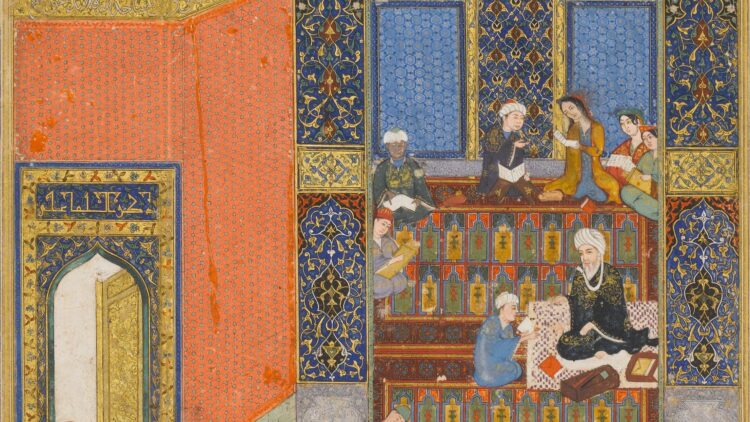
Sculpting the Self: Islam, Selfhood, and Human Flourishing
In this lecture, Professor Faruque challenges reductionist accounts that limit the self to cognitive or neurological functions. He introduces a spectrum theory of the self, encompassing bio-physiological, socio-cultural, cognitive, ethical, and spiritual dimensions. Drawing on Qur’anic concepts of nafsUsed in the Quran more than 300 times, where its primary meaning is the human self or person. In post-Qur’anic religious literature it came to mean the human ‘soul’ or… and the works of thinkers such as Mulla Sadra, Shah Wali Allah, and Muhammad Iqbal, he presents the self as dynamic, morally grounded, and oriented towards meaning and human flourishing. The lecture also situates Islamic ideas of selfhood within wider philosophical debates, opening pathways for cross-cultural dialogue on consciousness, ethics, and the cultivation of the self.
Islamic History and Thought Lecture Series
Hosted by The Institute of Ismaili Studies (London) and convened by Dr Orkhan Mir-Kasimov, the Islamic History and Thought Lecture Series is designed to invite scholars of various international academic institutions, specialising in intellectual, social and political aspects of medieval and early modern Islamic societies, to present and discuss their research. Watch previous lectures on our YouTube channel.
Watch previous lectures on YouTube