
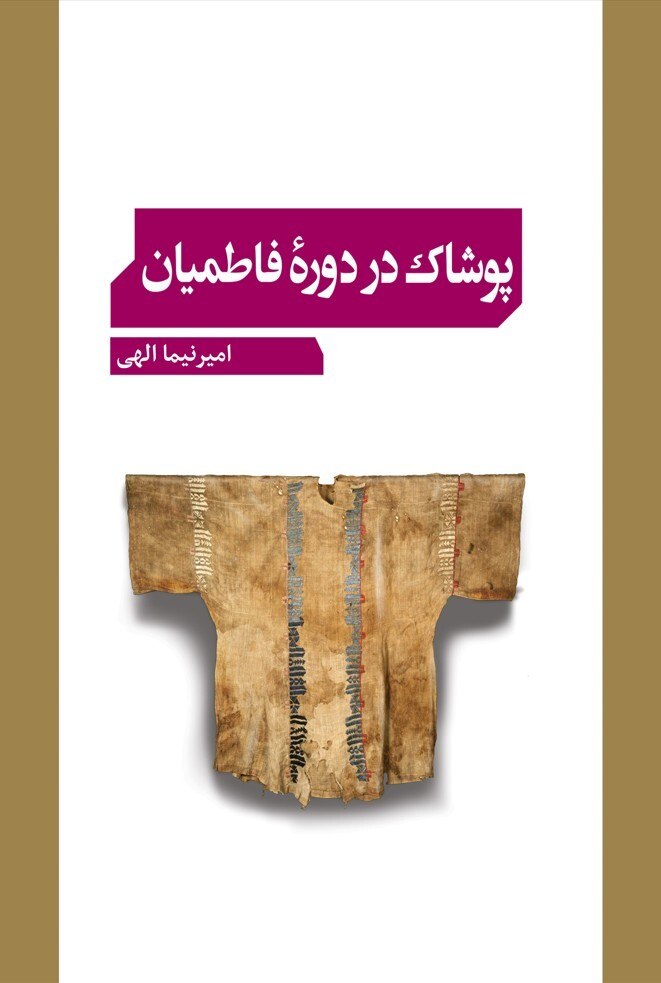
During the Fatimid Caliphate (297–567 AH/909–1071 CE), clothing and textiles served not only as expressions of aesthetic refinement and technical skill but also as reflections of the period’s social, economic, and political structures. This study seeks to elucidate the relationship between attire and the historical context of the Fatimid era by examining historical texts, Cairo Geniza documents, and material culture.
A contextual analysis of these sources encompasses three primary dimensions: economic, social, and political. The findings indicate that Fatimid economic reforms contributed significantly to the further flourishing of the textile industry. Socially, the FatimidsMajor Muslim dynasty of Ismaili caliphs in North Africa (from 909) and later in Egypt (973–1171) More employed the khalʿa system (robe-gifting) as a means of establishing effective relationships with diverse segments of society. Politically, textiles and clothing served as instruments of symbolic rivalry with the Abbasid Caliphate.
With the intensification of the Crusades and the escalation of internal crises, the Fatimid Caliphate entered a period of decline, which in turn precipitated a downturn in the textile industry across their territories.