Unpublished manuscripts
In this video, Dr Karim Javan introduces two unpublished works that shed new light on modern Ismaili history and the early decades of the Imamat in India.
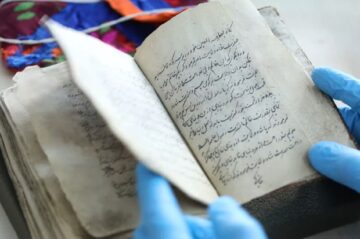
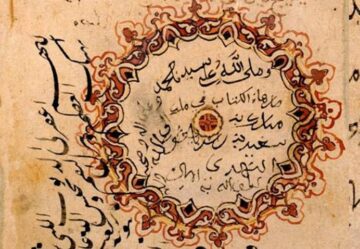
The first manuscript, Āthār-i muḥammadī, was written by Muḥammad Taqī (Ṣafā), a close associate of Aga KhanA title granted by the Shah of Persia to the then Ismaili Imam in 1818 and inherited by each of his successors to the Imamate. I who later served both the first and second Ismaili Imams in India. Completed in the late nineteenth century, the manuscript presents a detailed account of post-Alamut Ismaili history, drawing on eyewitness testimony and close personal connections. It complements the Imam Hasan Ali Shah’s autobiography and offers insight into the political and social context of the Imamat’s transition from Iran to India.
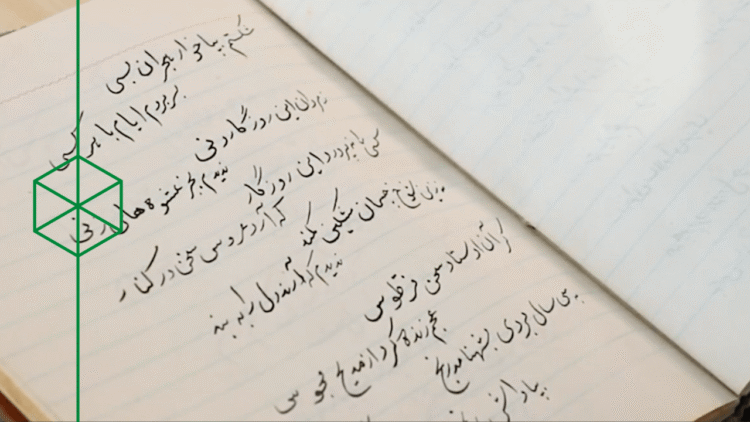
The second text, Fatḥ-nāma-yi Āqā Khān, is a poetic composition in the form of a mathnawīPersian term for poems differing greatly in genre and length, normally composed in rhyming couplets. by Muḥammad Taqī Bayk Kāshī. It recounts the confrontations between Aga Khan I and the Qajar army before his migration to India. Rich in literary expression and historical detail, the poem reflects contemporary perspectives on a defining period in Ismaili history.
Together, these works deepen understanding of a formative period in the modern Ismaili tradition. They also demonstrate the importance of manuscript sources in reconstructing lived historical experience.