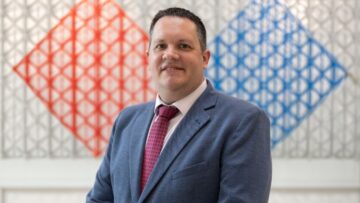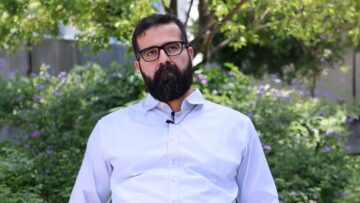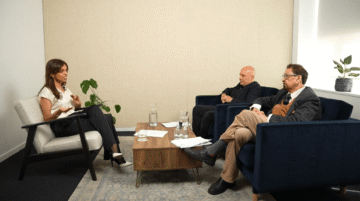
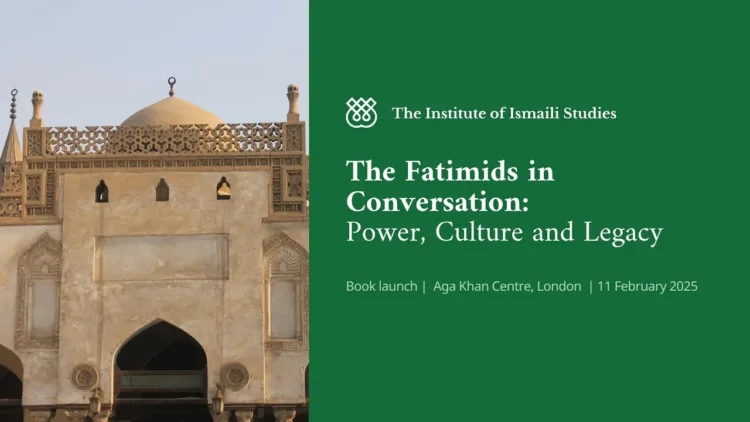
Dr Delia Cortese, Senior Research Fellow at Middlesex University, joins Dr Shainool Jiwa, a specialist in Fatimid studies at The Institute of Ismaili Studies (IIS), in conversation with Dr Farhad Daftary, Governor and Director Emeritus at IIS to explore the political, intellectual and cultural significance of the Fatimid dynasty. The discussion reflects on Dr Cortese’s book The Fatimids: A Portrait of a Dynasty and considers the Fatimid legacy across scholarship, material culture and living Ismaili communities.
About the discussion
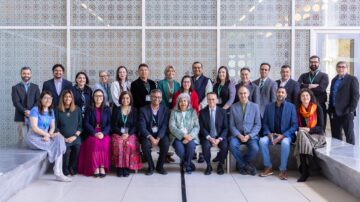
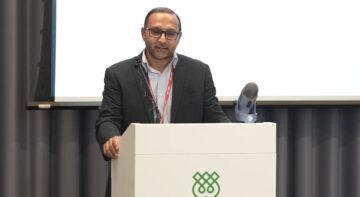
The discussion was chaired by Dr Daftary, Governor and Director Emeritus at IIS. The event opened with remarks from IIS Director, Professor Zayn Kassam and Head of Aga Khan Library, Professor Walid Ghali.
This conversation examines the Fatimids as one of the most complex and influential dynasties of the medieval Islamic world. It explores their origins in North Africa, the founding of Cairo, their role in shaping intellectual and artistic life, and the ways in which they governed a diverse and plural society.
The speakers reflect on the value of studying Fatimid history beyond narrow or monolithic views of Islam. They discuss the dynasty’s maritime and commercial networks, its institutions of learning, its artistic production, and its continuing relevance for contemporary societal issues such as coexistence, governance and cultural exchange.
In this video, the speakers discuss:
- The rise of the Fatimid dynasty in North Africa and its move to Egypt
- The founding of Cairo and the Fatimids’ challenge to other major powers of the time
- The role of trade, diplomacy and maritime networks in Fatimid expansion
- Pluralism, governance and the place of Christians, Jews and Sunni Muslims in Fatimid society
- The political, religious and cultural institutions developed under Fatimid rule
- Fatimid contributions to architecture, manuscripts, libraries and the decorative arts
- The significance of women in Fatimid society and court life
- The decline of the dynasty and its enduring legacy in scholarship, museums and living communities