
This book is also available OPEN ACCESS to download or read online for free.
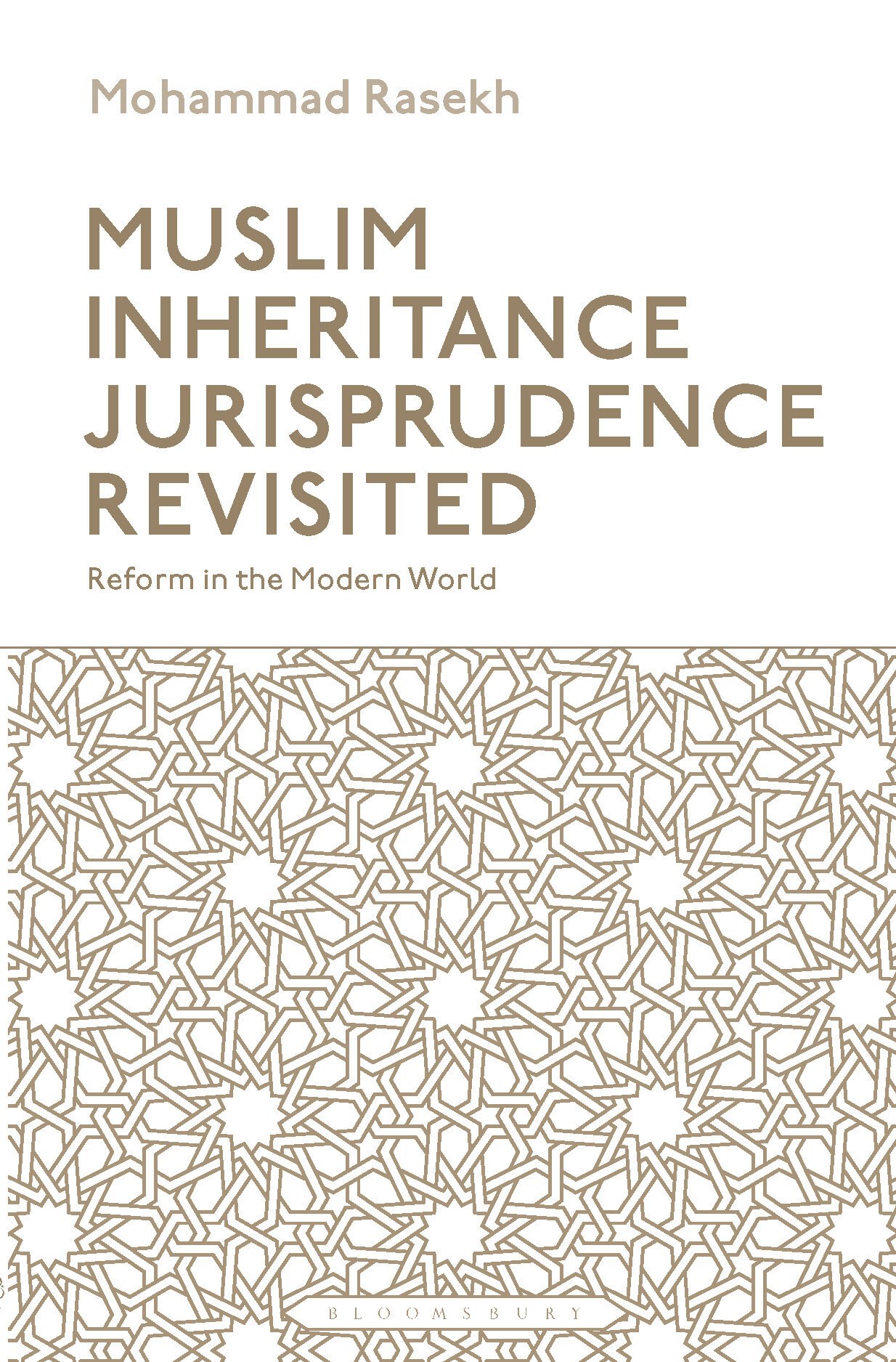
How should Muslim inheritance rules respond to the realities of modern life? This book explores that question through a concise examination of Islamic inheritance jurisprudence (fiqhThe science of Islamic jurisprudence. al-mawārīth). While traditional inheritance rules have guided Muslim societies for centuries, today’s changing social structures and contemporary legal thought have created new challenges. Bringing together rigorous scholarship with an accessible approach, the book examines the core principles behind Sunni and Shiʿi inheritance jurisprudence, highlighting both their shared foundations and important differences. It explores key issues surrounding the distribution of estates among heirs – such as women’s inheritance rights, the position of children and grandchildren, the question of gender, and differences of religion – and sets them within the context of today’s nuclear family. Drawing on evidence from the major schools of Islamic jurisprudence, as well as on current thinking, the author analyses how inheritance rules have been interpreted and applied over time. He also considers why reform may be necessary today and how thoughtful legal development could help better reflect the needs and realities of contemporary Muslim communities.
Prologue
- Inheritance Rules in the Contemporary Context
- The Status Quo
- Evidence and Justifications
- In Search of New Interpretations
Epilogue
Glossary
Selected Bibliography
Index
Mohammad Rasekh is a Senior Research Associate at The Institute of Ismaili Studies. His postgraduate degrees in law and philosophy are from the University of Manchester, the London School of Economics and Tehran University. His interests include Islamic law and theology, comparative constitutional law, normative philosophy, biomedical law and ethics.