
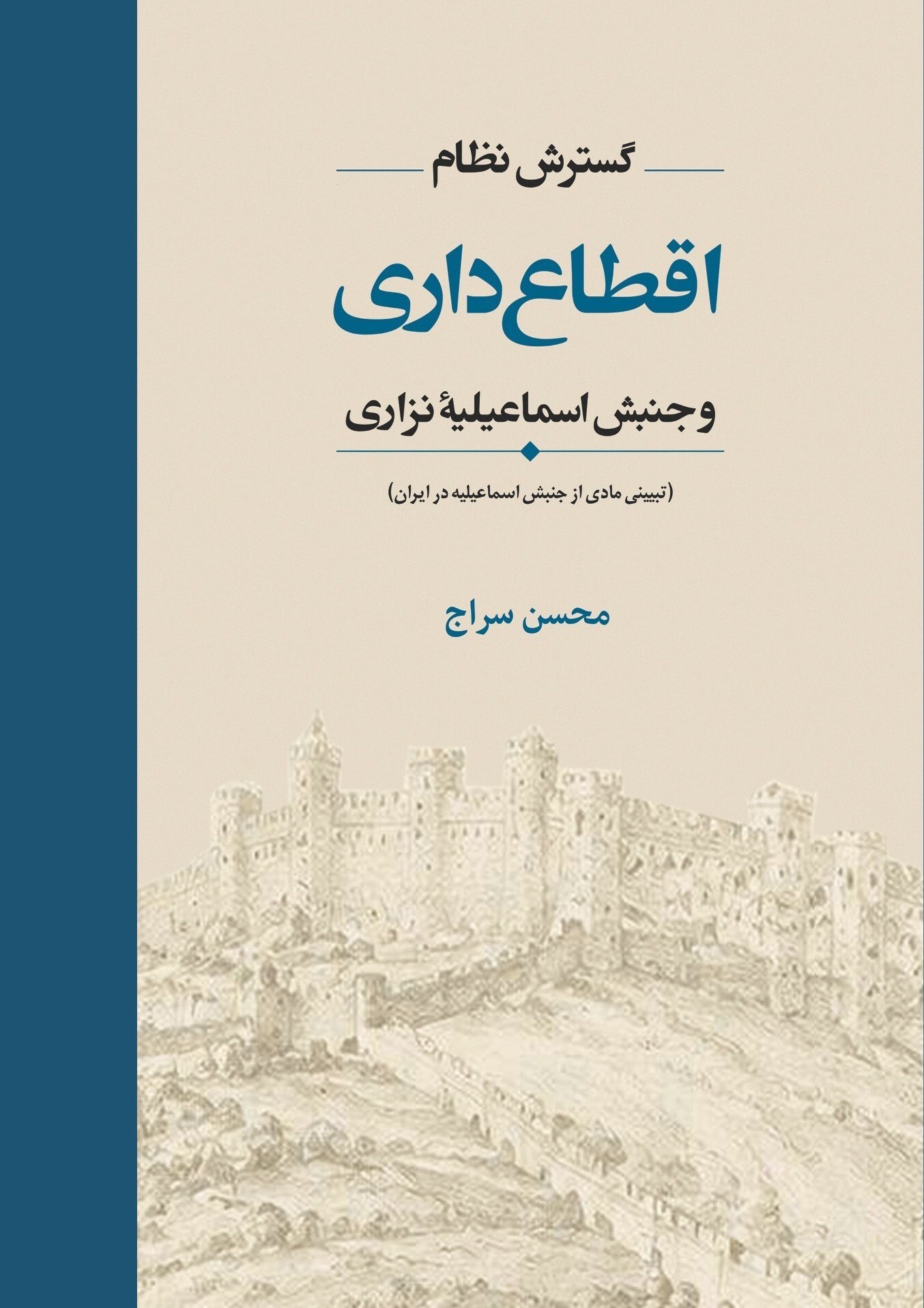
The expansion of the iqṭāʿ (feudal land-grant) system by the Saljūqs brought about major changes in the organisation of agricultural production and landholding in Iran. This change, combined with the failure of iqṭāʿ holders in these regions to attend to the needs of production, led to neglect of productive resources, and to widespread oppression and injustice. This engendered major grievances among the direct agrarian producers and created favourable conditions for them to join movements opposing Saljūq rule and the social order it had established.
This research adopts a theoretical approach grounded in the core ideas of Karl Marx, which hold that economic relations form the infrastructure underlying the social and political dimensions of human societies. It offers a materialist explanation of the link between major economic grievances in the iqṭāʿ regions during the Saljūq period. The research shows how the IsmailisAdherents of a branch of Shi’i Islam that considers Ismail, the eldest son of the Shi’i Imam Jaʿfar al-Ṣādiq (d. 765), as his successor. used this space to transform their clandestine mission of earlier centuries (al-daʿwa al-qadīma) into an open, public mission (al-daʿwa al-jadīda) and enter overt political activity. It also shows how al-daʿwa al-jadīda succeeded in attracting the discontented rural producers of the iqṭāʿ regions, establishing numerous bases for an expanded movement, and offering resistance against the attacks of their formidable enemies.