In January and February 2026, Dr Daryoush Mohammad Poor, Associate Professor at The Institute of Ismaili Studies (IIS), undertook two visits to Canada as part of IIS’ ongoing academic and community engagement. This included delivering a lecture at Simon Fraser University, participating in a competitive international Artificial Intelligence sandpit in Montréal, and holding a series of outreach sessions with the Ismaili community in Vancouver and Edmonton. These visits reflect the IIS commitment to broadening scholarly exchange, to intellectual inquiry, and to service to the Ismaili community in regions with a significant number of Persian-speaking members.
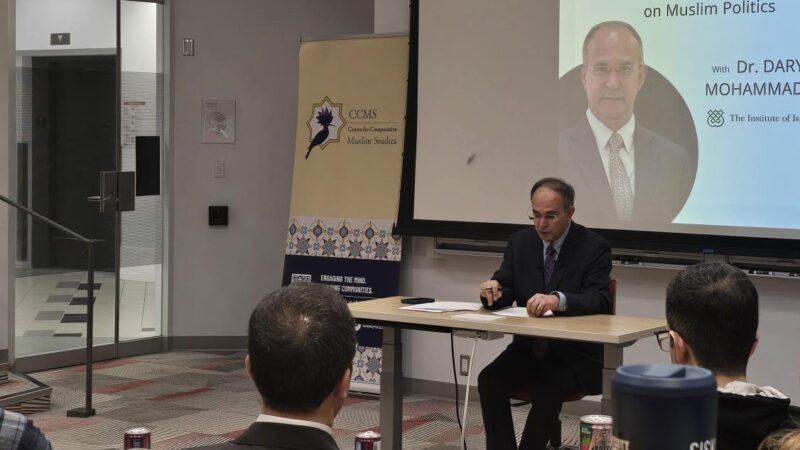
Lecture on political philosophy at Simon Fraser University
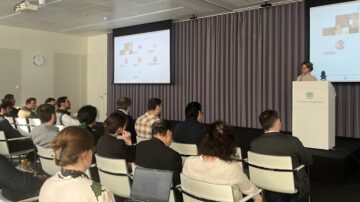
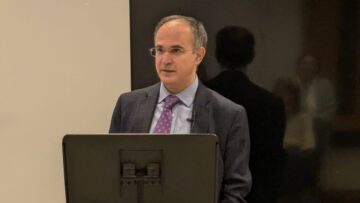
On 27 January, Dr Mohammad Poor delivered a lecture at the Centre for Comparative Muslim Studies of Simon Fraser University. The event was organised by Professor Adel Iskandar. The lecture examined Dr Mohammad Poor’s latest work on political philosophy, Wisdom and Governance. He articulated his philosophical approach from within the Muslim tradition to challenge a theory of governance which purported to be based on traditional sources. He spoke about previously unpublished historical documents and explored how intellectual traditions can inform current political debates. The lecture is now publicly available online. This event formed part of a series of visits to academic institutions in North America, including earlier talks at Duke University and Columbia University.
Community engagement in Vancouver and Edmonton
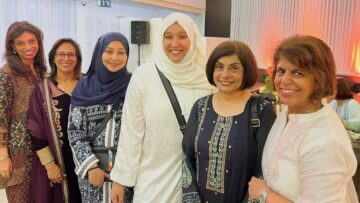
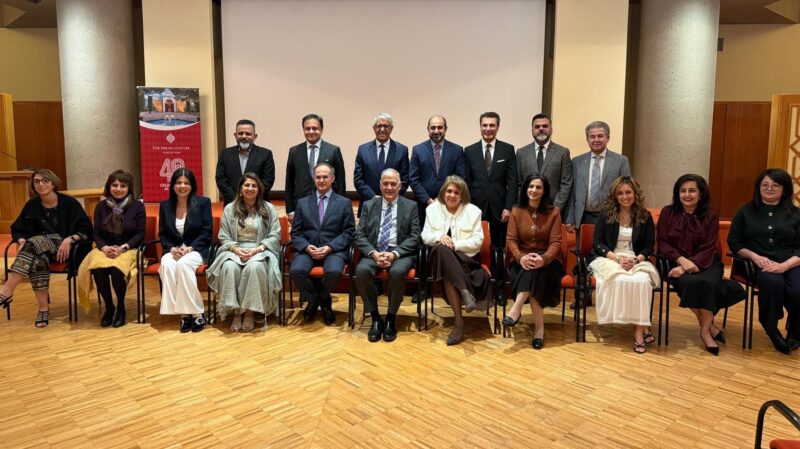
Alongside his academic commitments, Dr Mohammad Poor engaged extensively with the Ismaili community in Vancouver between 14 and 28 January 2026. In coordination with local leadership and in line with IIS’ strategy, he delivered a variety of sessions for youth, leadership and educators, including a public outreach event held at the Ismaili Centre, Vancouver. His public lecture addressed questions concerning the authenticity of the Nahj al-BalāghaLit. ‘the way of eloquence’. A well-known collection of letters, sermons and sayings attributed to Imam ʿAlī b. Abī Ṭālib (d. 661 CE), compiled in its present form by al-Sharīf…. The outreach event welcomed guests from the local Twelver Shi‘a community, including the Ansari community in Vancouver. In Edmonton, he conducted two sessions with secondary students on social media literacy and the ethical use of artificial intelligence. These discussions aimed to equip young people with the critical tools to navigate digital environments while remaining grounded in their ethical traditions.
Participation in the international AI sandpit in Montréal
Between 17 and 19 February 2026, Dr Mohammad Poor was in Montréal participating in an Artificial Intelligence sandpit jointly organised by the UK Arts and Humanities Research Council and the Social Sciences and Humanities Research Council of Canada. The initiative sought to strengthen collaboration between Humanities, Social Sciences and Artificial Intelligence research. It aimed to bring a humanistic insight to a field often shaped solely by technical disciplines. Nearly 1,000 individuals applied from which thirty-three scholars were selected, including Dr Mohammad Poor. The participants worked intensively over three days in interdisciplinary groups covering subjects such as political philosophy, history, linguistics, literature, neuroscience, technology and research methodology. Selected teams will now advance proposals for further funding to develop AI models or theoretical frameworks that integrate scholarship in the Humanities with technological design.
Intellectual clarity and accessible scholarship
Throughout all his engagements, Dr Mohammad Poor observed a strong appreciation for clarity and candour. Community members valued direct and thoughtful responses over ambiguous or overly relativistic answers. He also noted a desire for accessible language rooted in historical and contemporary Ismaili thought. References to Qurʾanic verses, classical literature and the guidance of the Ismaili Imams resonated strongly when expressed in clear and literary forms. In response, he adopted a presentation style that prioritises dialogue over slide-based lectures. While visual aids can be useful in certain contexts, he emphasised that tone, coherence and direct exchange remain central to effective communication. He also stressed the importance of fostering critical thinking among younger audiences. He encouraged students to move beyond textbook learning, highlighting the important point that inquiry and reflection form an integral part of the Ismaili intellectual heritage.
These visits reflect The Institute’s continued commitment to bridging rigorous academic scholarship with meaningful community engagement. By participating in leading international research initiatives and engaging directly with diverse audiences, IIS scholars contribute to global academic discourse and to the intellectual development of members of the Ismaili community.