
What can a prayer reveal about history? How does a tradition find expression across cultures? And what happens when we encounter faith through the eyes of another person?
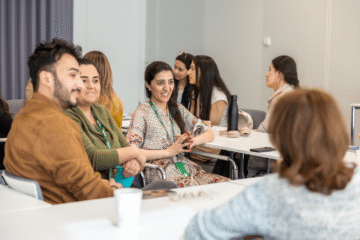
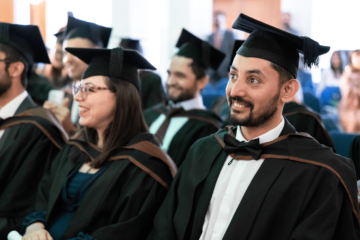
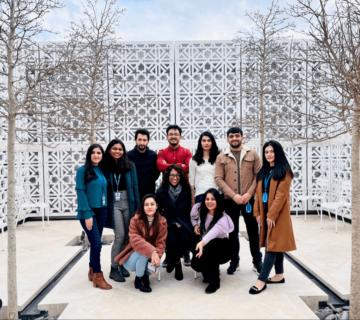
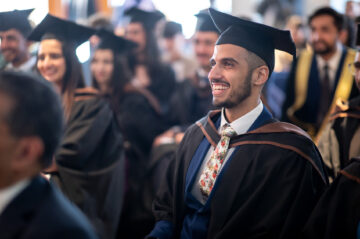
These questions shaped the Secondary Teacher Educators Programme (STEP) Cohort 18 Advanced Seminar titled, Faith, Ethics and Practice, held from 14–25 September 2026 at IIS. Over two weeks, student-teachers explored the many ways in which faith is understood, lived, and expressed. They moved between scholarship and reflection, curriculum and practice, familiar traditions and new perspectives.
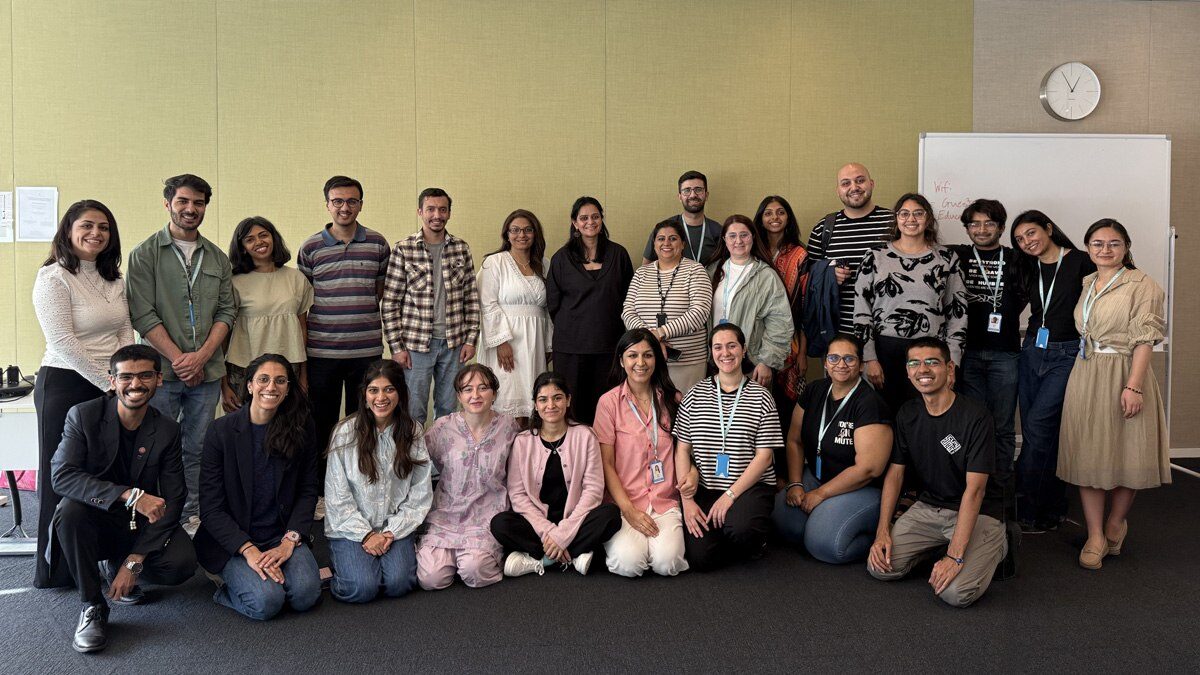
The seminar offered an opportunity to deepen subject knowledge and invited participants to look beneath the surface of religious practices. They explored the stories, values, and worldviews that give these practices meaning.
Through sessions led by scholars and educators, participants explored Ismaili traditions and Muslim spaces of worship. They examined the history and changing expressions of salat, alongside questions at the intersection of faith, culture, and ethics.
Case studies explored bayʿah, mayyat, and weddings across Central Asian, Syrian, and South Asian contexts. These offered insights into the richness and diversity of Ismaili practices and traditions. Each discussion offered another reminder that traditions are not static, but evolve over time, shaped by the histories, cultures and circumstances of the communities that practise them.
From understanding faith to bringing it into the classroom
The seminar also looked at the art of teaching. Activities included curriculum exploration and module storyboarding and planning. Student-teachers examined how complex ideas could become meaningful learning experiences for young people.
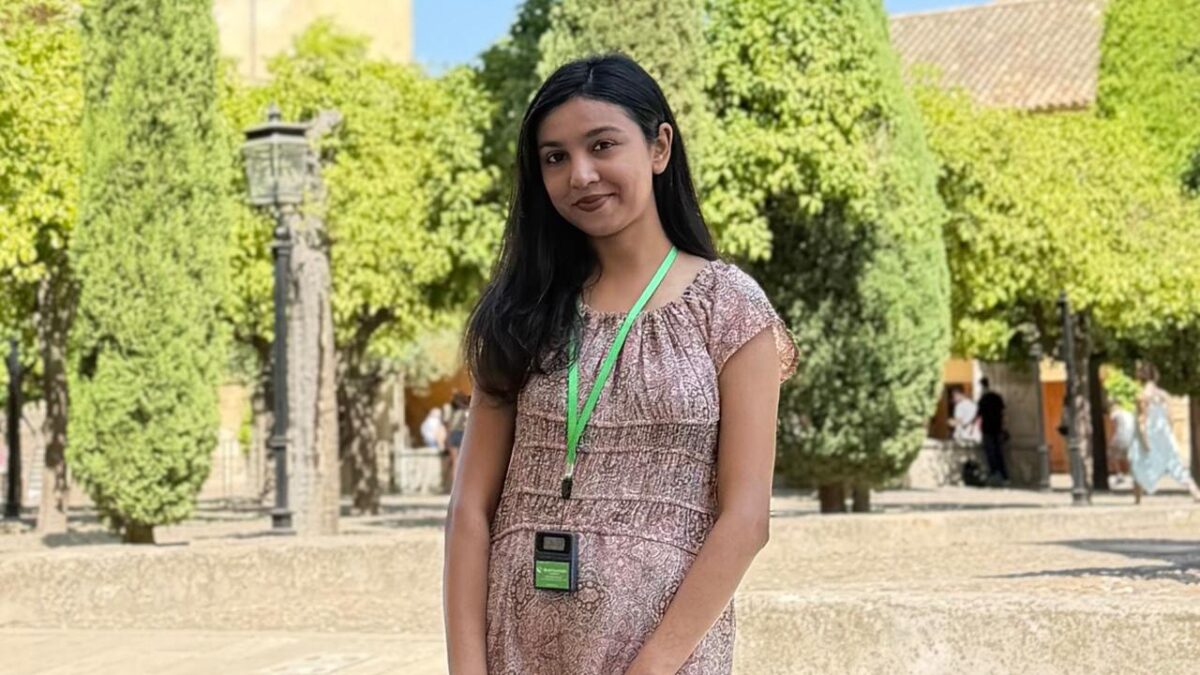
Erum Rafiq, a student-teacher from Pakistan, reflected on how the sessions supported her own learning and teaching:
The STEP Advanced Seminar was a highly enriching experience. The session with Dr Shiraz Kabani was especially memorable, addressing and clarifying questions I had carried for a long time.
…I also found the starter activities and teaching approaches introduced during the seminar extremely valuable. I look forward to incorporating them into my own classroom practice.”
Participants engaged with Faith and Practice in Islamic Traditions, a module in the IIS Secondary Curriculum. They explored how curriculum aims, learning outcomes, classroom activities, and assessment could work together.
The focus remained on helping learners ask questions, make connections, and encounter diverse perspectives with curiosity and care.
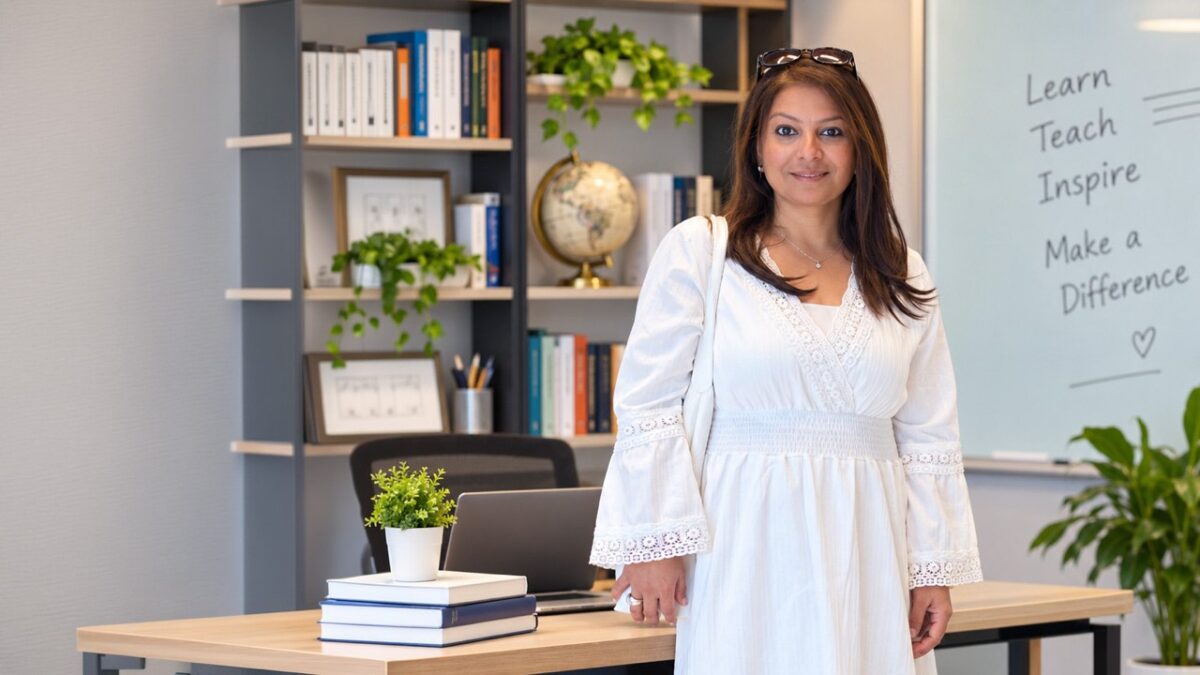
For Hena Muhammad Hanif, a student-teacher from Singapore, this work connected the study of religious diversity with practical classroom planning:
The STEP Advanced Seminar allowed me to connect academic theory with classroom practice. Sessions led by expert faculty offered historical and anthropological insights into Muslim spaces of piety, ritual diversity, and contemporary ethics.
…Although the volume of academic material felt overwhelming, it challenged my thinking. It helped me consider how these diverse communities and expressions coexist harmoniously. This scholarly foundation has deepened my subject knowledge and inspired me to bring that spirit of pluralism into my future classroom. Collaborative lesson planning within our Professional Learning Communities, alongside learning to use STEP Professional Development Practice Review (SPDPR), will help me develop practical teaching strategies.”
Reflection ran throughout the seminar. Participants considered not only what they teach, but why it matters and how learners might interpret it. They also explored what thoughtful engagement with faith asks of them as religious education teachers.
Learning through encounter
Learning also extended beyond the seminar room. A visit to Sri Guru Singh Sabha Southall Gurdwara offered an opportunity to encounter Sikh faith and community life directly.
Through a presentation, guided tour, and question-and-answer session, participants explored the significance of the gurudwārā and its place in Sikh religious life.
The experience continued with langar, the community meal that embodies Sikh values of service, equality, and shared humanity. Sitting together for a meal offered a powerful reminder that religious understanding grows beyond texts and discussion. It also develops through encounters that invite us to listen, observe, and reflect.
Erum described how taking part deepened her understanding:
“The visit to Sri Guru Singh Sabha Southall Gurdwara gave me insights into the Sikh faith beyond learning about its beliefs and practices. Sharing langar and respectfully participating in prayer allowed me to experience the community from an insider perspective. I appreciated their values of kindness, equality, service, and compassion. This experience helped me understand the importance of engaging with faith communities directly. It showed me how people live and express their beliefs in everyday life. ”
Hena also considered what this encounter could mean for her future teaching:
“The programme concluded with a visit to Sri Guru Singh Sabha Southall Gurdwara, demonstrating the value of learning outside the classroom. Experiencing this sacred space illustrated how future teachers can navigate insider and outsider perspectives when studying living traditions. This intensive two-week journey has left me feeling inspired. I feel more prepared to encourage nuanced dialogue in my future classrooms, particularly within my Southeast Asian context. ”
The visit formed part of a broader journey towards understanding religious traditions, approaching them with respect and appreciating their distinctive meanings. It also encouraged participants to appreciate the human connections that can emerge across differences.
Carrying the questions forward
The Advanced Seminar brought together scholarship, curriculum design, dialogue, and experiential learning, encouraging student-teachers to connect knowledge with practice. It created space to revisit assumptions, explore unfamiliar perspectives, and consider how these insights might shape their classrooms.

Esameel Haedar, a student-teacher from Syria, reflected on how this process informed his teaching:
The STEP Advanced Seminar has been a highly enriching experience for me as a professional educator. It helped me identify gaps in my teaching practice and consider new approaches to teaching within culturally sensitive contexts.
…Throughout the two-week seminar, I gained a deeper appreciation of the diversity of traditions and practices across Ismaili communities worldwide. This experience has strengthened my enthusiasm to share what I have learned with my students in Syria. I hope to encourage them to appreciate the richness of our diverse traditions. “
The questions raised during the seminar will inform lesson plans, classroom conversations, and the encounters student-teachers create for their learners.
After all, teaching faith, ethics, and practice is about deepening understanding, nurturing thoughtful questions, and helping young people engage with the world with empathy and an open mind.
Interested in becoming part of this learning journey? Explore the STEP programme and join a community committed to thoughtful teaching, meaningful learning, and respectful engagement with diverse traditions.
This news article was produced through the generous efforts of Sunita Irfan and Shamir Kurbonov.