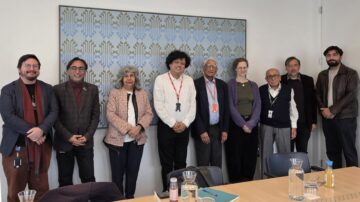

قدم ثلاثة باحثين من معهد الدراسات الإسماعيلية (IIS) أوراقًا بحثية في المؤتمر الخامس عشر لجمعية الدراسات الإيرانية (AIS) ، الذي يُعقد مرة كل عامين، والذي أُقيم في جامعة أوترخت خلال الفترة من 5 إلى 8 آب 2026. وقد شارك الدكتور داريوش محمد بور والدكتور رحيم غلامي في رئاسة جلسة بعنوان «العقل والوحي والإحياء: التأويل الباطني من ناصر خسرو إلى الرومي وحتى يومنا هذا». وانضمت إليهما الدكتورة مريم رضائي من معهد الدراسات الإسماعيلية والدكتورة أليس هونسبيرغر (جامعة ولاية نيويورك في أولد ويستبري)، مؤلفة كتاب «ناصر خسرو، ياقوت بدخشان» (2000) الصادر عن معهد الدراسات الإسماعيلية.
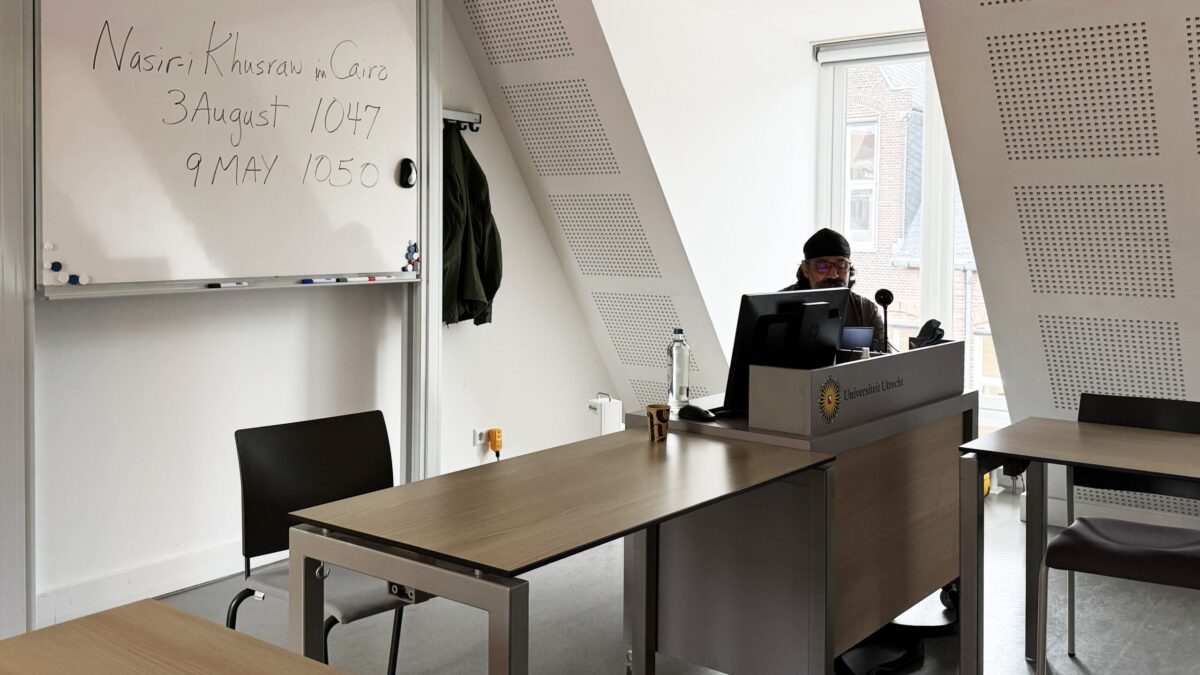
ورقة رحيم غلامي حول «المثنوي» للرومي
استهل الدكتور رحيم غلامي حديثه بورقة بحثية بعنوان «اضربوه ببعضها: إعادة قراءة الرومي للآيات 67–73 من سورة البقرة في المثنوي». وقد أوضح الدكتور غلامي كيف ألحّ بنو إسرائيل -في قصة موسى والبقرة- على طلب تفاصيل متلاحقة، حتى وُصِف الحيوان وصفاً يكاد يكون مستفيضاً وشاملاً؛ غير أن الأمر الإلهي جاء غامضاً عند الانتقال إلى مرحلة الكشف عن جريمة القتل المستورة، إذ نصّ على «اضربوه ببعضها»، دون تحديد ماهية ذلك البعض. وحينها، عادت الحياة إلى القتيل وانكشفت الجريمة، لتُختتم الآيات بدعوة السامعين إلى التعقّل والاعتبار.
ويعود الرومي إلى هذا المشهد ثلاث مرات في المثنوي، مفكّكًا عناصره – الأمر، والذبح، و«البعض»، والضربة، والكشف، والبعث – ومعيدًا توزيعها فيما يصفه الدكتور غلامي بأنه ضرب من التربية الباطنية.
ورأى الدكتور غلامي أن «ببعضها» تغدو نموذجًا يبيّن أن الفعل لا يكون مؤثّرًا إلا بإذنٍ إلهي. فالعقل الذي يخدم الجسد يفقد سيادته، ويعمل العقل الاستدلالي في ضوء ما يسمّيه الرومي (عقل العقلالعقل، الفكر، الذهن. لا يرد هذا الاسم بعينه في القرآن، وإن ورد الفعل «عَقَلَ» (كما في الآية 44 من سورة البقرة: «أفلا تعقلون؟»). انظر أيضًا: عقلِ…): فالعقل هو القشر، وعقل العقل هو اللبّ.
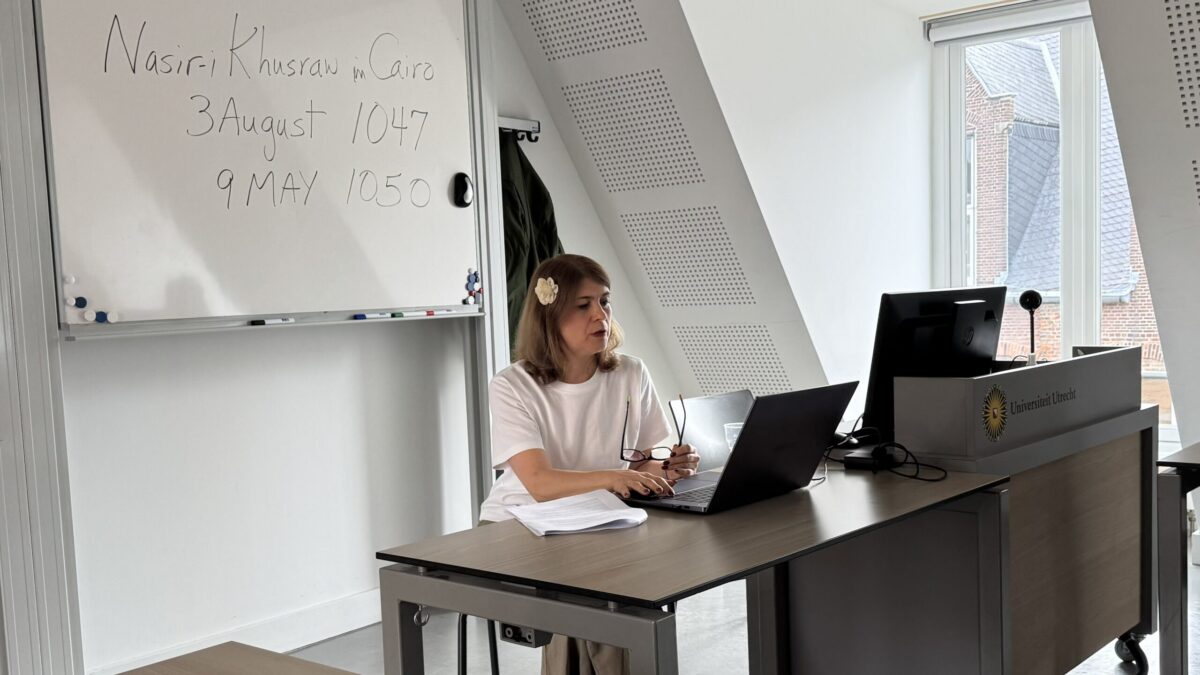
نساء يواجهن عوائق أمام التعليم
وانتقلت الدكتورة مريم رضائي بالجلسة إلى إيران المعاصرة بورقة بحثية بعنوان «التمكين في ظل القيود: استجابات النساء الإسماعيليات للعوائق التعليمية في إيران». واستندت ورقتها إلى مقابلات واستبيانات أُجريت مع نساء إسماعيليات في مشهد وطهران كنّ يرغبن في إتمام تعليمهن الجامعي لكنهن لم يتمكنّ من ذلك.
وقد واجهت هؤلاء النساء مجموعة من العوائق: فالأسر لم تكن قادرة دائمًا على تمويل الدراسة بعيدًا عن المنزل، وكان يُطلب من البنات رعاية إخوتهن الأصغر سنًا، كما أدت الضغوط الاقتصادية أحيانًا إلى اضطرارهن للعمل مباشرة بعد المرحلة الثانوية. ومن القضايا الأخرى التي واجهتها النساء تمثلت في امتحان القبول الوطني، الذي قد يُستخدم أداةً للتدقيق الأيديولوجي بدلًا من تحديد الجدارة الأكاديمية. وقد دفعت النساء اللواتي لم يتمكنّ من متابعة التعليم العالي الثمنَ من خلال تقييد حركتهن، ومعاناتهن من عدم الاستقرار الاقتصادي، وتهميشهن اجتماعيًا.
كما ركّزت ورقة الدكتورة رضائي أيضاً على الخطوات التي اتخذتها النساء لاحقاً؛ إذ التحقت بعضهن بدورات مهنية أو مؤسسات خاصة، بينما اتجهت أخريات نحو العمل التطوعي داخل مجتمعاتهن. واستناداً إلى أطروحات كل من كبير (Kabeer) وسِن (Sen) والنظرية النسوية التقاطعية، جادلت رضائي بأن التمكين هو عملية تفاوض مع القيود، وليس غايةً تُدرك بمجرد الحصول على شهادة علمية. وهي تنظر إلى مفهوم التقيّة إخفاء المرء معتقداته الدينية اتقاءً للأذى، ولا سيما في أوقات الاضطهاد أو الخطر، وهي ممارسة أخذ بها المسلمون الشيعة على وجه الخصوص.، أي التكتم الديني، من المنظور ذاته؛ باعتباره استراتيجية عملية تتيح التحرك بأمان داخل المؤسسات العامة مع الحفاظ على سلامة المعتقد الديني.
مصر التي لم يصفها ناصر خسرو
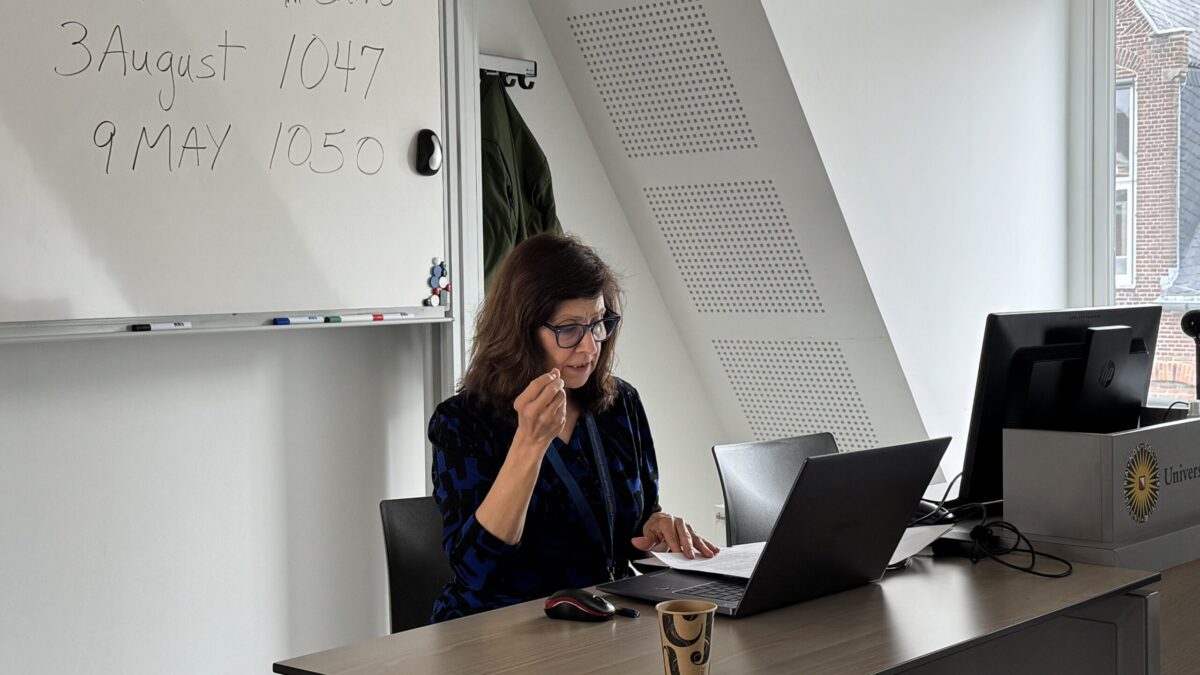
تناولت ورقة الدكتورة أليس هونسبيرغر، بعنوان «"أأنتم على الطاعة أم لا؟" السير في دروب السياسة المصرية برفقة ناصر خسرو»، رواياتٍ وردت في سفرنامة للمؤلف الفارسي في العصور الوسطى. وبيّنت كيف أمضى ناصر خسرو ثلاث سنوات في مصر الفاطمية (439–442هـ/1047–1050م)، وكيف اختير كل عام لمرافقة قافلة الحجتشير كلمة «الحج» عادةً إلى الحج السنوي الذي يقوم به المسلمون إلى الكعبة في مكة المكرمة، ويُسمى أيضًا «الحج الأكبر»، على عكس «العمرة»، التي تُعرف بـ«الحج الأصغر». المزيد الرسمية التي تحمل الكسوة وعطايا الخليفة إلى مكة والمدينة. وقد أثنى على كل ما رآه تقريبًا: أسواق القاهرة، ونظام العدالة الفاطمي، والجيش المأجور، وإدارة فيضان النيل. ومع ذلك، وحتى قبل أن يغادر مصر في طريق عودته، وجد ناصر نفسه في عيذاب وقد فرغ كيس نقوده، ولا يذكر لذلك سببًا.
وبيّنت الدكتورة هونسبيرغر كيف يروي ناصر حدثين كبيرين من التاريخ الفاطمي لكنه يمتنع عمدًا عن ذكر سياقهما. ففي الحدث الأول، وبعد شهرين من وصول ناصر إلى القاهرة، قتل الجنود الجوهريَّ اليهودي النافذ أبا سعد التستري. ثم احتشد عشرون ألف فارس أمام القصر حتى خرج إليهم خادم بسؤال واحد: «أأنتم على الطاعة أم لا؟». ويُغفل وصف ناصر خسرو تفسيرات وسياقات جوهرية لهذا الحدث، وهي أن رصد، والدة الخليفة، وهي جارية نوبية سابقة، كانت قد جُلبت إلى القصر عن طريق التستري، الذي أصبح لاحقًا حليفها الرئيس على رأس بيت المال الفاطمي، في حين كانت تحكم بصفتها وصيّةً على المستنصر (حكم 427–487هـ/1036–1094م). ورغم أن الوزيروهو مسؤول رفيع في الدولة، يعادل منصب رئيس الوزراء. الفلاحي والحرس التركي هم من قتلوا التستري، إلا أن رصد تمكنت في غضون عام واحد من تدبير سجن الفلاحي وقتله.
أما الحدث الثاني فكان حملة حلب سنة 441هـ/1049–1050م. إذ يذكر ناصر في روايته المقتضبة في سفرنامه أن حاكم حلب تمرّد، فأرسل الخليفةرأس الأمة الإسلامية. انظر: الخلافة. عمدة الدولة، لكنه قُتل في حلب. ومن خلال قراءتها للحوليات التاريخية، حدّدت الدكتورة هونسبيرغر المتمرد الحلبي بأنه المرداسي ثمال بن صالح، وعمدة الدولة بأنه القائد رفق، وهو خصيّ أفريقي في السبعينيات من عمره، قاد ثلاثين ألف رجل في الحملة الفاطمية الثالثة الفاشلة على المدينة.
وأشارت الدكتورة هونسبيرغر إلى أن ناصرًا لم يذكر قط اسم المستنصر أو الظاهر أو رصد، لكنه كان شاهدًا على التصدعات المبكرة في الحكم الفاطمي – الجيوش المتناحرة، والوزارة المتنازع عليها، وبيت المال المُرهَق – التي ستنفجر لاحقًا في صورة الشدة المستنصرية، كما يجسّد ذلك كيسُ نقوده الفارغ في عيذاب.
التوفيق بين الإيمان والعقل
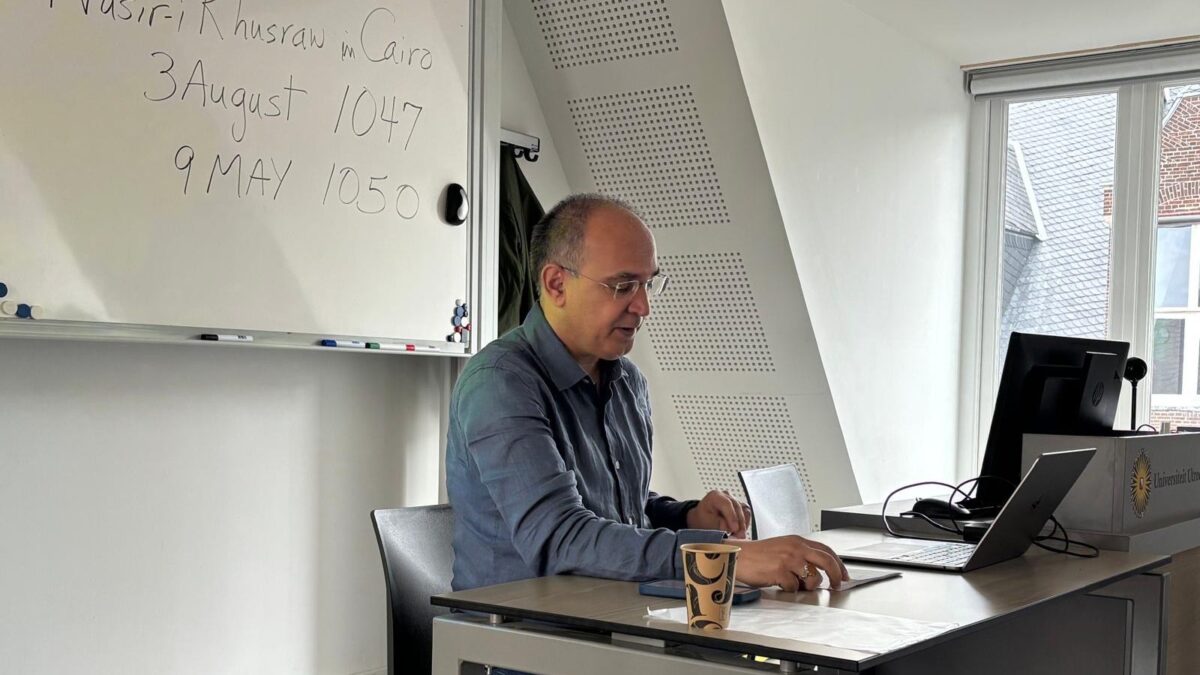
تناولت ورقة داريوش محمد بور، بعنوان «التوفيق بين الإيمان والعقل: النزعة العقلانية عند ناصر خسرو»، مسائل في الفلسفة ونظرية المعرفة. وتساءل الدكتور محمد بور إلى أي مدى يمكن للعقل أن يمضي بمفرده، ولاحظ أنه لا بد من التوفيق بين عقلٍ يتساءل ويختبر وينتقد، ووحيٍ يطلب التسليم بحقائق دون أن يعرضها للفحص.
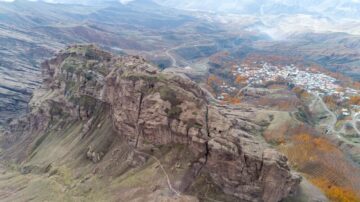
وقد سعى ناصر خسرو إلى الإجابة عن هذه الأسئلة في كتابه جامع الحكمتين، الذي ألّفه في منفاه سنة 462هـ/1070م في وادي يُمكان في بدخشان. وتناولت ورقة الدكتور محمد بور موضوع تغذية العقل الإنساني. فالعقل يحتاج إلى الغذاء من مصدرين: الفلسفة، بما فيها العلوم الطبيعية وما وراء الطبيعة، والوحي كما يفسّره التأويلبيان المعنى الباطن المُستنبط من اللفظ الحرفي أو المعنى الظاهر لنصٍّ أو شعيرةٍ أو حكمٍ ديني.. وهاتان هما «الحكمتان» اللتان يحملهما عنوان الكتاب، ويتوقف ارتقاء النفس نحو الكمال على التوفيق بينهما.
وتسير حجّته في اتجاهين. فقد دافع ناصر عن روح البحث والتساؤل في وجه المتمسّكين بظاهر النص، وعن الوحي في وجه الفلاسفة، ولا سيما أبي بكر محمد بن زكريا الرازي. ورأى الرازي أن النبوة لا حاجة إليها، إذ يستطيع الفلاسفة أن يردّوا النفوس إلى عالمها الحقيقي. وكان ردّ ناصر أن الفلاسفة الذين يفعلون ذلك هم الأنبياء.
والمغزى المعاصر هو أن الإيمان والعقل لا يزالان يُقدَّمان بوصفهما نقيضين، سواء من قِبل العلمانيين الذين يعدّون الالتزام الديني إخفاقًا للعقلانية، أو من قِبل الأصوليين الذين يرون في البحث النقدي تهديدًا للإيمان. ويفنّد ناصر خسرو هذا التعارض الزائف: فالعقل هبة إلهية، وإهماله تقصير في حق الواهب، غير أن العقل لا يكتمل إلا بنورٍ لا يستطيع هو نفسه أن يولّده.
الخيط الجامع
وفي الختام، تتبّع الدكتور محمد بور العقلَ بوصفه الخيط الجامع بين الأوراق كلها. فمع أن الرومي لا يُعدّ عمومًا إسماعيليًا، فقد سار على خطى ناصر خسرو بالنظر إلى المكانة البارزة التي يمنحها للعقل. وفي عرض الدكتورة رضائي، يتجلى دور العقل في سعي النساء إلى التعليم العالي والقيمة التي يولينها لطلب العلم. كما تُعلي مؤسسات الإمامة الإسماعيلية المختلفة من قيمة العقل، مثل معهد الدراسات الإسماعيلية، وجامعة الآغا خانوهو لقب منحه شاه بلاد فارس للإمام الإسماعيلي آنذاك في عام 1818، وورثه كل من خلفائه في الإمامة.، وجامعة آسيا الوسطى، والشبكة الواسعة من المؤسسات التعليمية التي أُنشئت على مدى الأعوام المئة والخمسين الماضية. وأخيرًا، بيّنت ورقة الدكتور محمد بور كيف حدّد ناصر خسرو جوهر العقل بأنه الفرح (وبالفارسية شادي): فالفرح يأتي مع زوال الجهل، والجهل يزول بالعلم، والعلم هو ما ينتجه العقل.
وتُعدّ هذه الأوراق احتفاءً لا بشخصية ناصر خسرو فحسب، وهو قامة شامخة لدى الإسماعيليينأتباع فرع من الإسلام الشيعي يعتبر إسماعيل، الابن الأكبر للإمام الشيعي جعفر الصادق (توفي عام 765)، خليفته.، في إيران وآسيا الوسطى، بل أيضًا بدور العقل في التقليد الإسماعيلي، عبر التاريخ وصولًا إلى زمننا المعاصر.