The lecture will take place online via Zoom. It will start at 17:00 and end at 18:30 GMT.
About the lecture
The Institute of Ismaili Studies (IIS) will host an online lecture on 22 April 2026 as part of the Islamic History and Thought Lecture Series (IHTLS). Dr Mohammad Amin Mansouri will examine the thought of ʿAzīz Nasafī, a major Muslim intellectual of the Mongol period, and explore his conceptual affinities with Ismaili cosmology.
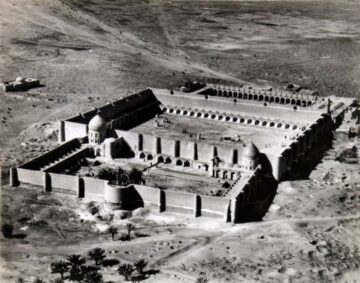
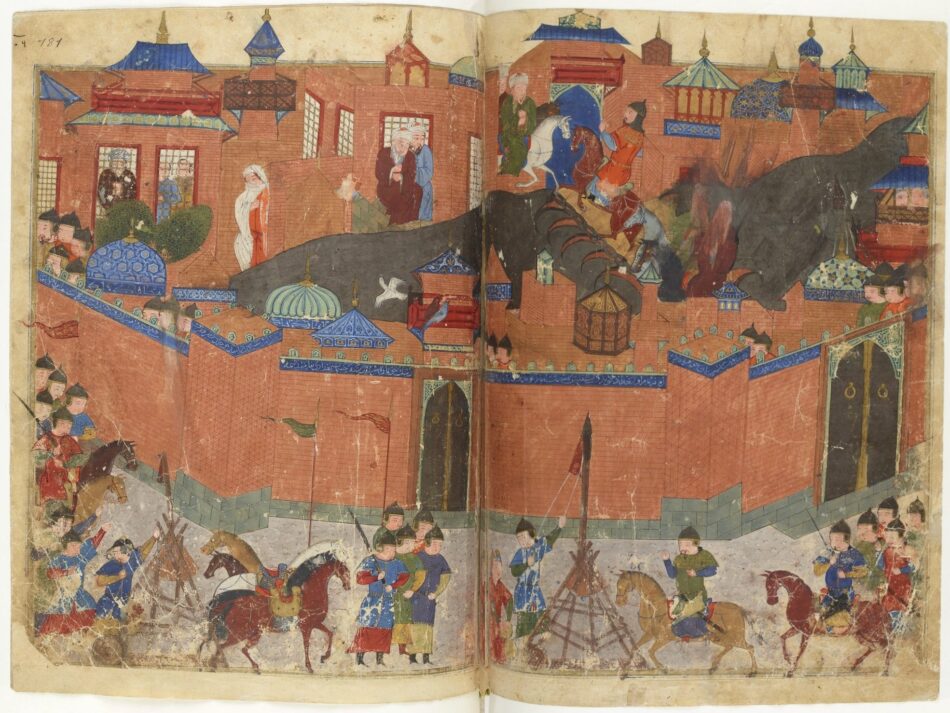
ʿAzīz Nasafī (fl. 7th/13th century) was one of the most prominent Muslim thinkers of the Mongol period, whose works circulated widely and were translated from Latin and Ottoman Turkish to modern languages such as English, French, and German. Nasafī’s writings offer a particularly revealing case study of the intellectual entanglements and complexities of the Persianate Mongol world. Although a Sunni thinker, his work shows striking conceptual affinities with Ismaili cosmological texts from the AlamutFortress of the Nizari Ismailis in northern Iran, which fell to the Mongols in 654 AH/1256 CE. period. Nasafī’s cosmological vision was not merely an abstract intellectual exercise detached from reality, but a peace-oriented response to the sectarian fractures and political upheavals of his time. In this sense, Nasafī’s project reflects what shall be described as cosmological kinship, a shared intellectual grammar that traversed sectarian lines, even if deployed to different ends. As will be argued, although Nasafī is often celebrated as an early authority who established monism (waḥdat al-wujūd) as an independent intellectual school, little attention has been given to his possible engagement with Ismaili sources from the Alamut era, which articulated similar intellectual and cosmological models and used almost identical language. This presentation situates Nasafī’s thought in conversation with the Ismaili tradition, and aims to re-center Shiʿi intellectual traditions, which are often relegated to the margins, as integral to the broader debates in Islamic intellectual history during the Mongol era.
Speakers

Mohammad Amin Mansouri
Assistant Professor
Dr. Mohammad Amin Mansouri is an intellectual historian who specializes in Shiʿi-Sunni relations, Shiʿi intellectual history, Sufism, as well as the history of science in the Islamic world. He particularly focuses on the developments of Islamic thought during the Mongol and Post-Mongol eras in the Persianate world. Initially trained at an Islamic seminary in Iran, Dr. Mansouri earned degrees in Islamic theology and Western philosophy and completed his Ph.D. in Religious Studies at the University of Toronto in 2022. Dr. Mansouri is currently working on two book projects that aim to reexamine common assumptions about Islamic intellectual history during the Mongol era in the Islamic world. His papers have been published in the Journal of Qur’anic Studies, Iranian Studies, Journal of the American Oriental Society; Journal of the Royal Asiatic Society, Studia Islamica, and the Journal of Sufi Studies, among other places.
Moderator
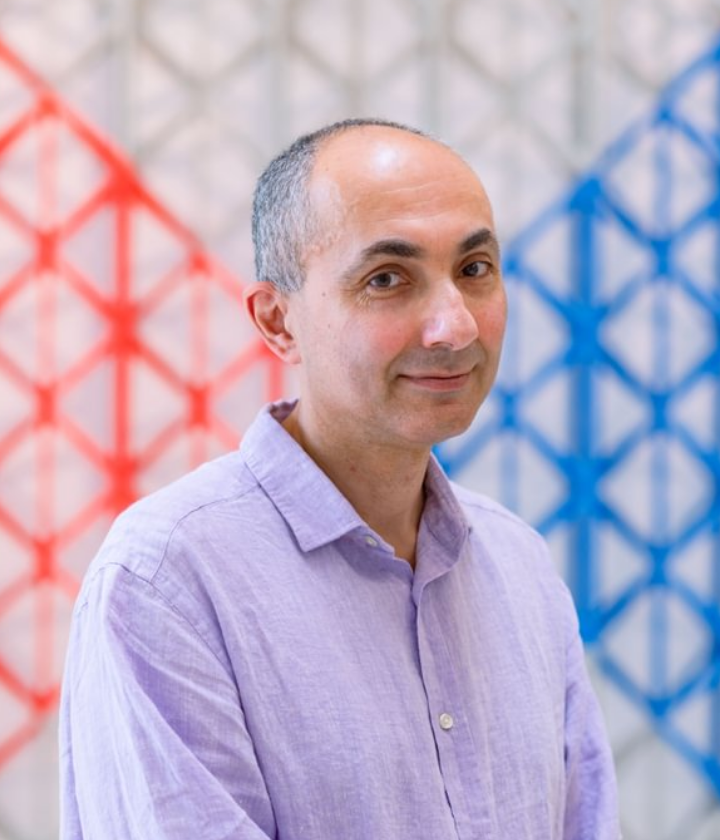
Orkhan Mir-Kasimov
Associate Professor
Dr Orkhan Mir-Kasimov is an Associate Professor at The Institute of Ismaili Studies. He is Senior Fellow of the Higher Education Academy, and his teaching focuses on Islamic history, Shiʿi history and thought, and Islamic mysticism. Find out more on Dr Mir-Kasimov’s research and publications.
Islamic History and Thought Lecture Series
Designed to invite scholars of various international academic institutions, specialising in intellectual, social and political aspects of medieval and early modern Islamic societies, to present and discuss their research.
Find out more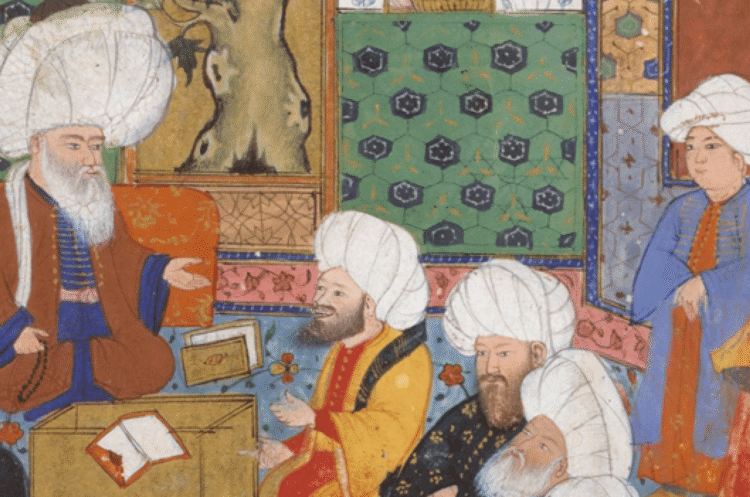
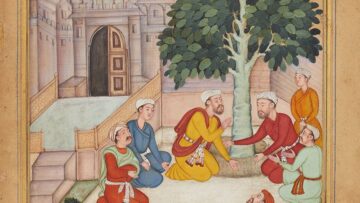
Photo: “Laila and Majnun at School“, Folio from a Khamsa (Quintet) of Nizami Ganjavi. Calligrapher Ja’far Baisunghuri Iranian. Author Nizami. 835 AH/1431–32 CE.
Please note filming and photography may take place during the event, and may be used across our website, newsletters and social media accounts. This may include broad shots of the audience and lecture theatre, of speakers during the talk, and of audience members participating in Q&A.
Views expressed in this lecture are those of the presenting scholars, not necessarily of IIS, the Ismaili community or its leadership. Promotion of this lecture is not an explicit endorsement of the ideas presented.