Islamic Traces Photography Exhibition
Photographs by Kate Stanworth and audio by Kate Stanworth and Giulia Liberatore.
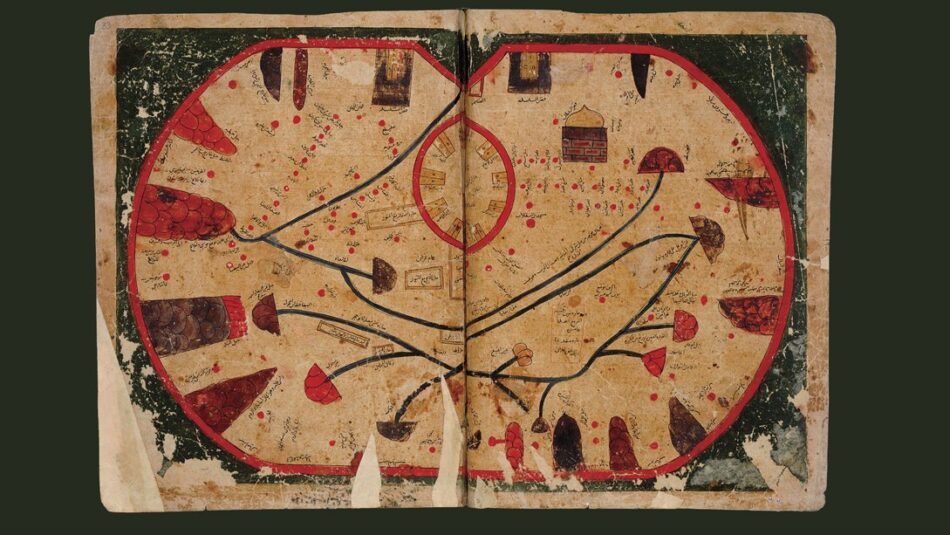
How is the Islamic past imagined in contemporary Palermo, Sicily? Islamic Traces follows a small number of Palermo’s inhabitants – both Muslim and those of other faiths or none – as they search for remnants of the city’s Islamic past. Through architecture, landscape, sensory experiences, religious practices, language and the arts, they bring their imaginaries of the past to life, recounting it and giving it meaning in the present.
In 831 Palermo was conquered by Ifriqiyan troops, after which Sicily became a province within the Islamic Empire, first under the AghlabidsMuslim dynasty that ruled in North Africa (800–909), succeeded by the Fatimids. and subsequently the FatimidsMajor Muslim dynasty of Ismaili caliphs in North Africa (from 909) and later in Egypt (973–1171) More. It was in this period that Palermo became one of the most important cities of the Fatimid Empire and seat of government. Islamic Traces prompts reflection on the absence of this history in official heritage-making and in many contemporary representations of the city and its Muslim populations. What emerges from this work are visions of Palermo in which the Islamic presence is central both to narratives and memories of the medieval past and to people’s present experiences and sense of belonging in the city.
Islamic Traces is part of Absent Presence, a larger digital project co-produced with Ammara Maqsood (University College London) and Leslie Fesenmyer (University of Birmingham) that explores imaginings of and relations across difference in Karachi, Nairobi and Palermo. It was funded by the ERC grant Multi-Religious Encounters in Urban Settings (MEUS, 2019-2025).
Contributors
Kate Stanworth
Artist
Kate Stanworth is a London-based artist using photography to tell stories exploring human resilience, identity and the search for belonging. Through her work on editorial stories and long-term personal projects she has built relationships of trust and collaboration with individuals and communities as far and wide as Italy, Jordan, Somaliland and Argentina. She is motivated by a desire to connect with the people she photographs and to understand their struggles, dreams and aspirations. Her work has been published by The Guardian, Tate Publishing, The Sunday Times, BBC News, Al Jazeera, Time Out, The Economist, CNN, Internazionale and many more. She has led photography workshops for diverse groups including young Somalis at the Hargeisa International Book Fair, summer school students at Oxford and Cambridge Universities, young displaced people in Jordan and the UK and her neighbours in South London. She has a BA (Hons) Degree in Fine Art from Norwich University of the Arts and a Masters in Visual Cultures from Goldsmiths College, University of London.
Giulia Liberatore
Lecturer in Islamic and Middle Eastern Studies
Giulia Liberatore is Lecturer in Islamic and Middle Eastern Studies and Social Anthropology and Deputy Director of Alwaleed Centre for the Study of Islam in the Contemporary World at the University of Edinburgh. She researches, teaches and writes about religion (Islam and Catholicism), migration and the politics of difference in Europe. She is the author of Somali, Muslim, British: Striving in Securitized Britain (Bloomsbury, 2017), and is currently co-authoring with Eugenio Giorgianni a book tentatively titled City of Saints: Ethnographies of Coexistence from Europe’s Margins. The book is based on research conducted in Palermo for an ERC-funded project on Multi-religious Encounters in Urban Settings (MEUS).