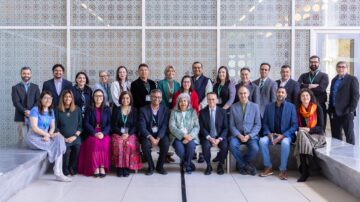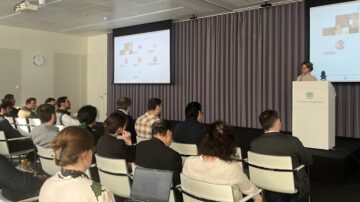

Dr Shainool Jiwa, an Associate Professor and a specialist in Fatimid Studies at The Institute of the Ismaili Studies (IIS), delivered the keynote address at an iftar gathering in Nairobi, Kenya on Saturday 28 February 2026.
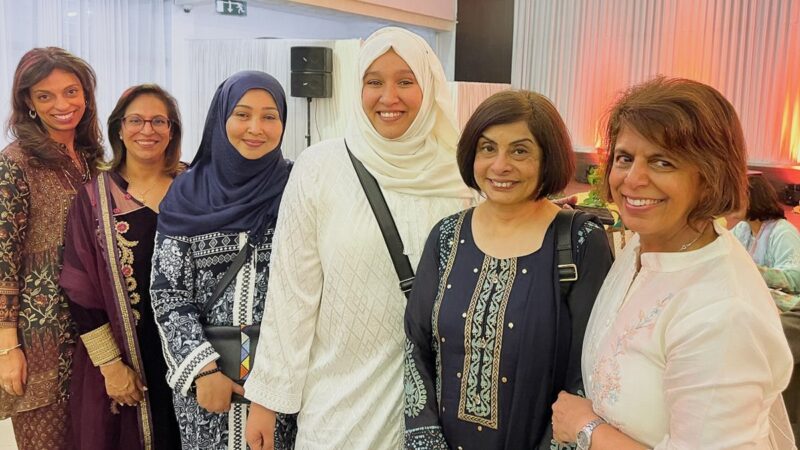
The event brought together community leaders and ambassadors from Muslim-majority countries with the aim of fostering dialogue and strengthening relationships. The iftar gathering was organised around the theme of environmental sustainability, encouraging reflection on ethical responsibility towards the natural world during the month of Ramadan. The iftar formed part of Dr Jiwa’s visit to Nairobi, during which she also delivered a talk on her two-volume study, The Fatimids, in conversation with Dr Fatima Dhanani.
Connecting Communities through Dialogue
The iftar, hosted by Ismaili institutions in Nairobi, aimed to strengthen relationships between diverse Muslim communities. The programme featured several speakers, with Dr Jiwa delivering the keynote address.
In her talk, titled A Reflection on Our Times: Afflictions and Antidotes, Dr Jiwa examined the ethical challenges of the contemporary world and the responsibilities created by global interconnectedness. She began by noting a paradox of modern life: unprecedented technological connectivity alongside rising social division. Societies are more informed and empowered than ever before, yet many face deepening polarisation and mistrust. Framing her remarks within the context of Ramadan, she cited Qur’anic verses that emphasise humanity’s shared origin and inherent dignity. These themes call for renewed attention to ethical responsibility in a plural world.
Cosmopolitan ethics and shared responsibility
A central theme of the address was cosmopolitan ethics. Dr Jiwa described this as an approach grounded in justice, compassion, honesty and respect for life, which recognises the equal moral worth of every human being. Quoting His Highness Aga Khan IV, she highlighted the importance of balancing individual rights with the needs of the wider community and accepting moral responsibility for humanity as a whole. Dr Jiwa urged those present to expand their moral imagination. Ethical living requires recognising the human realities underlying global issues such as climate change, migration and economic inequality. She emphasised the importance of humility, integrity and solidarity in responding to these challenges. Within the context of the evening’s theme, she emphasised that environmental responsibility forms part of a broader ethical commitment to care for creation and future generations.
From tolerance to respect
Dr Jiwa noted that social harmony does not require uniformity. Drawing on the metaphor of an orchestra, she explained how difference, when guided by a shared purpose, can truly enrich communal life. She also called for moving beyond the mere tolerance of diversity and towards genuine respect for others, with the support of equitable institutions and fair access to opportunity. Without equity, resentment deepens. When dignity is upheld, mutual trust can flourish. In closing, Dr Jiwa reminded the audience that ethical living begins with thoughtful and consistent action within one’s own sphere of influence.
Academic engagement in Nairobi
During her visit, Dr Jiwa also participated in a talk on her book, The Fatimids, offering insights into the history of the Fatimid dynasty and its intellectual and political legacy. A dedicated multimedia page will follow for the talk. The Nairobi engagements reflect the IIS’s commitment to rigorous scholarship and meaningful community dialogue. By connecting historical research with contemporary ethical reflection, these visits support informed public conversations and stronger relationships between diverse communities.