East Africa and Islam: A Millennial History
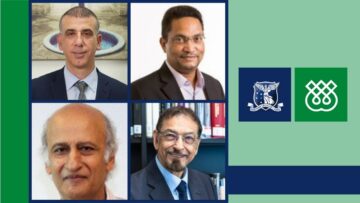
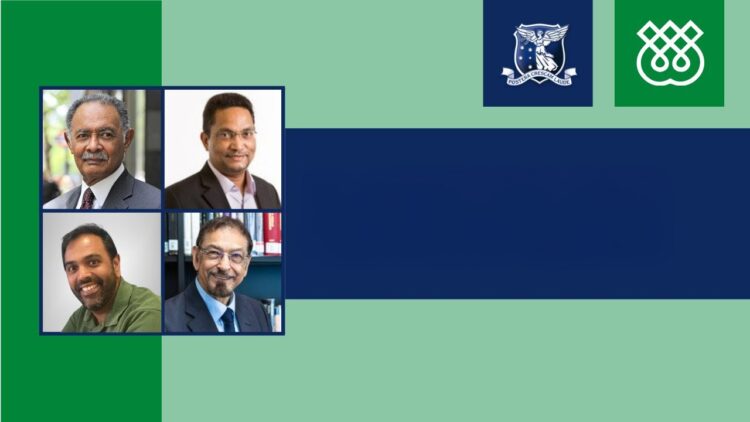
The Institute of Ismaili Studies (IIS), in collaboration with the University of Melbourne, hosted a Voices of Contemporary Islamic Thought webinar exploring the long history of Muslims in East Africa. Chaired by Professor Abdullah Saeed and moderated by Dr Muhammad Keshavjee, the session features Professor Farouk Topan with summary remarks by Dr Farhad Mawani. The discussion examines Zanzibar’s cosmopolitan past, cultural exchange across the Indian Ocean, and the intellectual traditions that shaped Islam beyond the Arab heartlands.
Islam in East Africa and the Indian Ocean world
In this conversation, Professor Topan challenges the perception of Islam as an exclusively Arab religion, highlighting how shared religious values have been lived through diverse cultures. Drawing on East African history, he reflects on pluralism, coexistence, and the balance between reason and revelation. The session also explores the role of literature, language, and education in helping communities connect faith with ethics and everyday life.
Key themes
- Islam as a global tradition shaped by language, sacred geography, and culture
- Zanzibar as a cosmopolitan society within Indian Ocean trade networks
- Pluralism and coexistence among Muslim, Hindu, and other communities
- Al-Jahiz and the Islamic tradition of intellectual inquiry
- Balancing reason and revelation in Muslim thought
- Literature as a bridge between faith, ethics, and lived experience
- The Madrasa Programme and integrated approaches to education
- Swahili as a lingua franca and the cultural impact of translation
- Shakespeare in Swahili and the universality of literary themes
This lecture places East Africa at the centre of Islamic history, showing how Islam developed through exchange, adaptation, and openness. Professor Topan traces early connections between Africa, Arabia, and the wider Indian Ocean world, before focusing on Zanzibar as a site of long-standing pluralism. He highlights al-Jahiz (776–868 CE) as a key early thinker whose curiosity and commitment to reason remain relevant today, and reflects on how literature and translation have helped convey universal values across cultures.