Migration in the 21st Century
Are we really prepared for the challenges ahead?
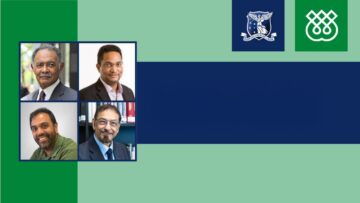
The Institute of Ismaili Studies(IIS) hosted a webinar exploring the complexities of 21st century migration with Arafat Jamal, United Nations High Commissioner for Refugees (UNHCR) Representative to Afghanistan. Moderated by Dr Mohamed Keshavjee, with responses from Dr Salim Kassim Lakha and hosted by Professor Abdullah Saeed of the University of Melbourne, the discussion examines climate change’s role as a crisis multiplier, the value of diaspora communities, and Islamic frameworks for refugee protection.

In this conversation, Arafat Jamal explores how climate change acts as a crisis multiplier and the vital role of diaspora communities in refugee integration. The discussion reflects on Prince Sadruddin Aga Khan’s visionary transformation of UNHCR and addresses how Islamic frameworks provide theological foundations for refugee protection.
- Climate change as a crisis multiplier in South Sudan and Afghanistan
- Viewing migrants as assets: insights from the World Bank’s 2023 report
- The vital role of diaspora communities and Canada’s private sponsorship model
- Grassroots mediation and traditional conflict resolution frameworks
- Islamic concepts of hijra (migration) and muhajir (migrant) in Muslim-majority countries
- Prince Sadruddin Aga Khan’s transformation of UNHCR
- Faith traditions and mutual responsibility between refugees and host communities
This conversation examines migration through multiple lenses, from climate-driven displacement in South Sudan and Afghanistan to the World Bank’s emphasis on viewing migrants as assets. The speakers address the vital role of diaspora communities, highlighting Canada’s private sponsorship model as the global gold standard for refugee integration, which typically takes 10 to 12 years. Jamal discusses grassroots mediation practices dating back to 11th century Central Asia, the sacred resonance of Islamic concepts of hijra and muhajir in creating solidarity with displaced persons, and Prince Sadruddin Aga KhanA title granted by the Shah of Persia to the then Ismaili Imam in 1818 and inherited by each of his successors to the Imamate.’ transformation of UNHCR into a global humanitarian mechanism. Dr Lakha emphasises that effective responses require coordinated international action, community support networks, professional trauma intervention, and mutual responsibility between refugees and host societies.