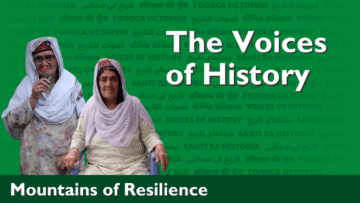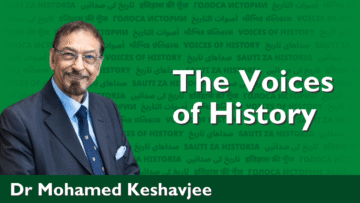
Every teacher was once a pupil. The fifth episode of The Voices of History, released to mark World Teachers’ Day, asks veteran teachers from Ismaili communities a simple question: what inspired you to become a teacher? Their answers span five geographies and more than six decades of classroom practice.
About this episode
Teaching and learning have long held a central place in the life of Ismaili communities, and in the recollections gathered here it appears less as a job than as a vocation or a calling. Some of these teachers can name the moment that calling arrived. Others found it more gradually, through curiosity, through a teacher’s example, or despite the expectations of those around them.
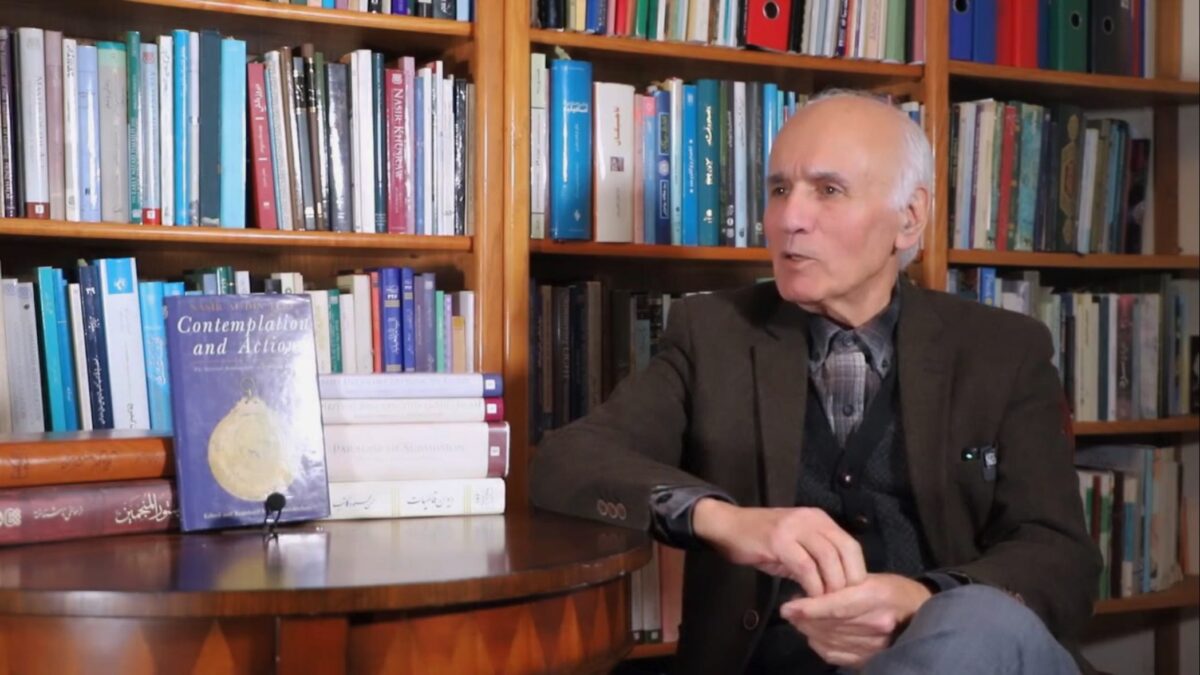
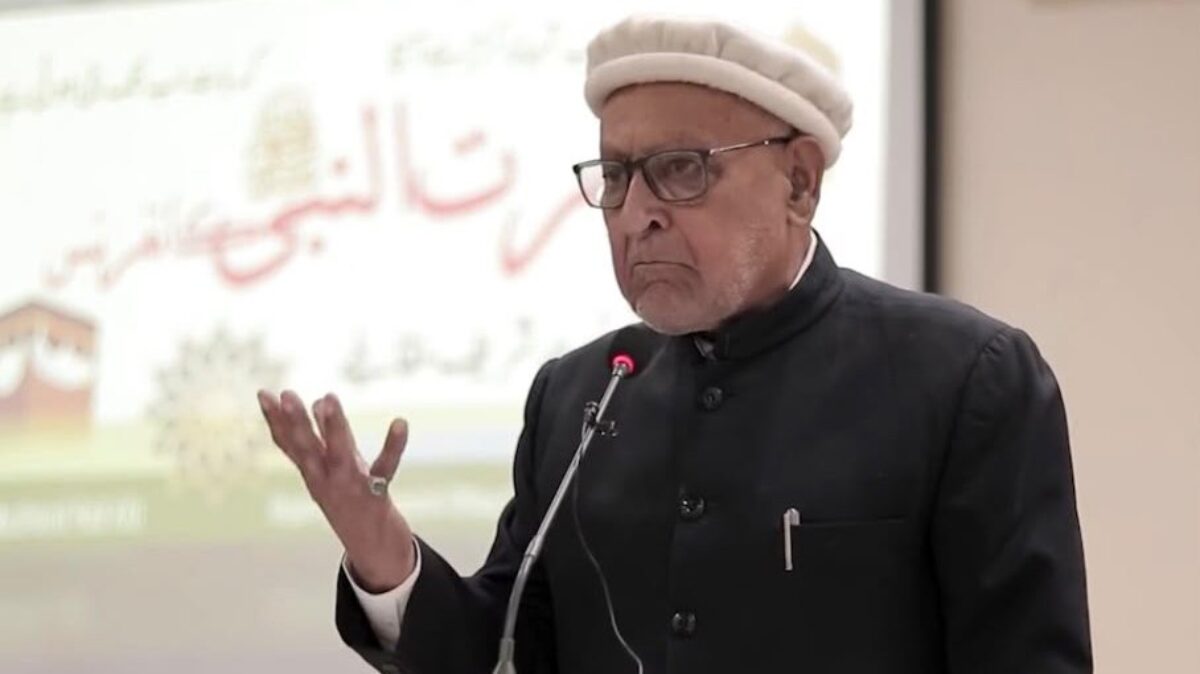
The episode is dedicated to the memory of two teachers and scholars: Rai Dr Sayyid(pl. sāda/asyād) Arabic term for ‘lord’ or ‘master’. It is a pre-Islamic term and refers to a person who possesses dignity or enjoys an exalted position among his people. Amongst… Jalal Hosseini Badakhchani, who devoted his life to researching, preserving and teaching Ismaili thought, history and literature, first in Iran and later at The Institute of Ismaili Studies; and Alwaez Vazir Fida Ali Aisar, who spent more than six decades in Gilgit-Baltistan training generations of teachers, preachers and educators.
The teachers and their stories
Nairobi, Kenya, and Dar es Salaam, Tanzania
During his historic visit to Dar es Salaam in 1957, the 49th Ismaili Imam, His Highness the Aga KhanA title granted by the Shah of Persia to the then Ismaili Imam in 1818 and inherited by each of his successors to the Imamate. IV, delivered a farman that left a lasting impression on Zubeda Firoz Bhagat and Karim Ratansi. Inspired by his guidance, both embarked upon lifelong careers in teaching, dedicating themselves to the education and development of future generations.
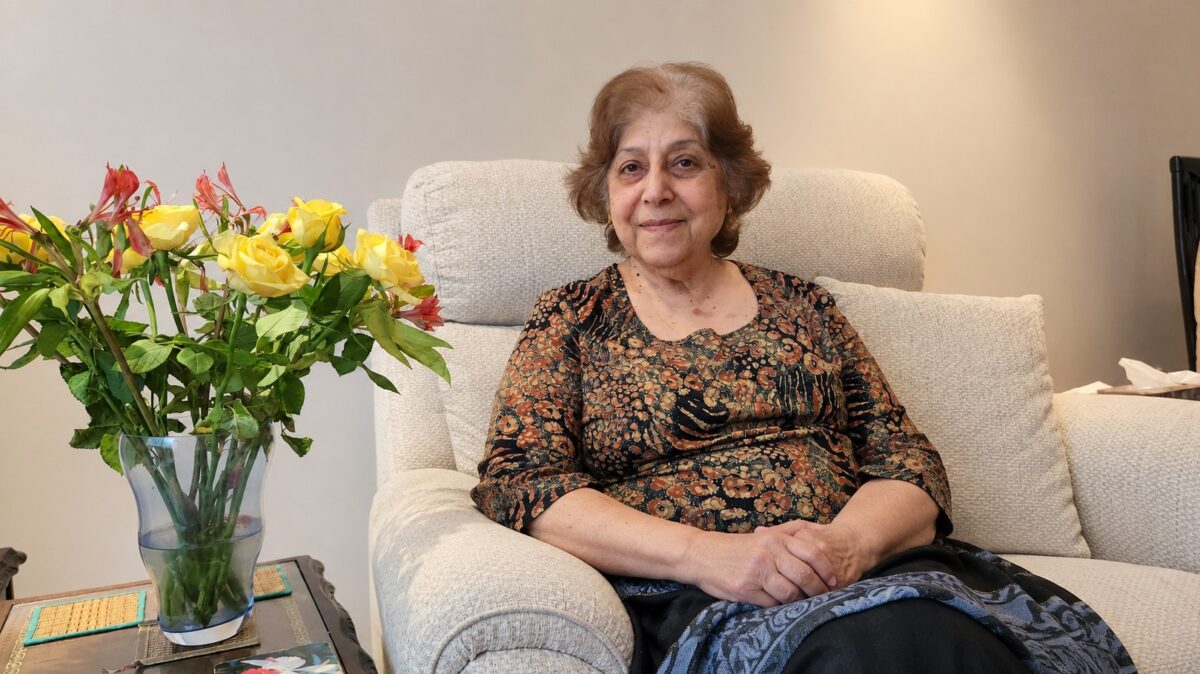
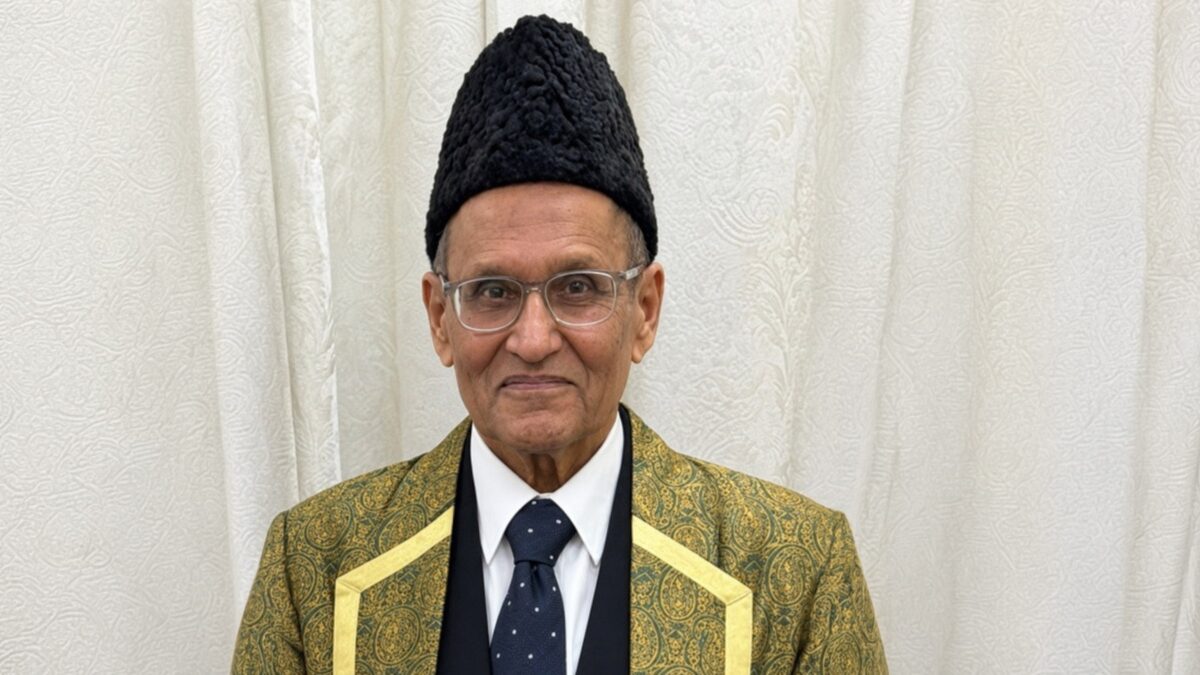
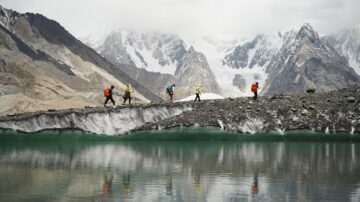
Madaklasht, Chitral, northern Pakistan
Muhammad Munir Khan, a member of the Dari-speaking community of Madaklasht in Chitral, never aspired to become an engineer, a doctor or an army officer. His ambition was simpler, yet more profound: he wanted to ‘know the world’. Decades later, his former pupil, Amir Hamza, himself a retired teacher, recalls the moment when Ustad Munir revealed the deeper calling of a teacher and the life-changing decision that it inspired.
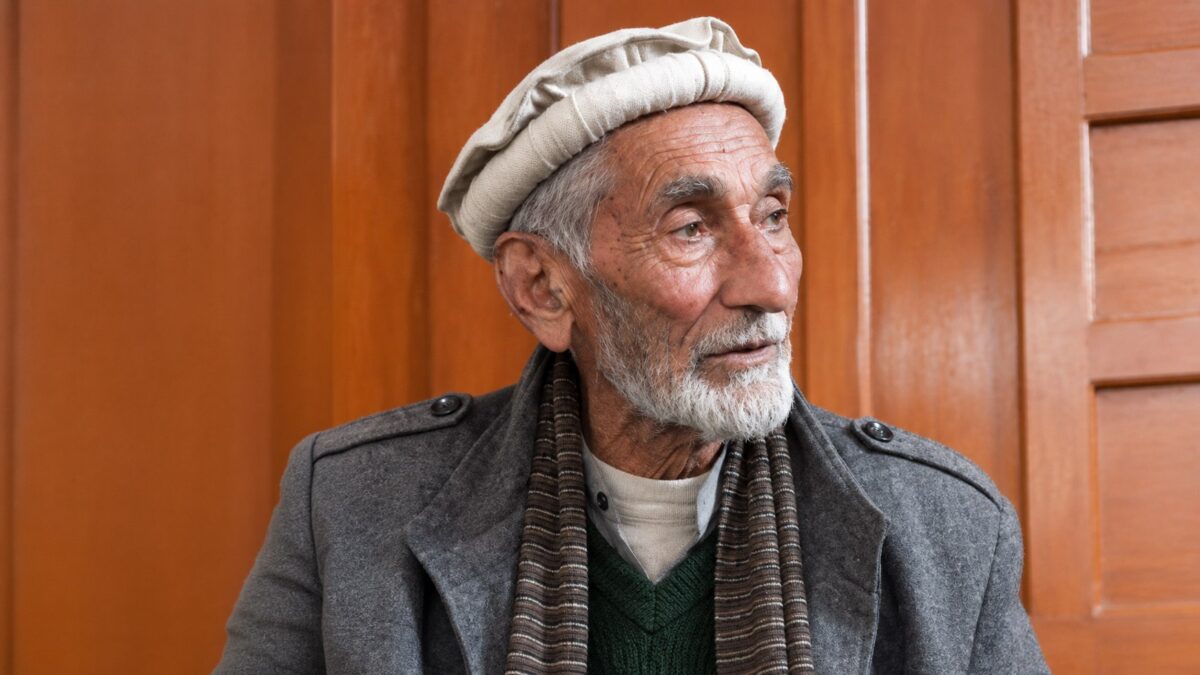
Dizbad, Khorasan, Iran
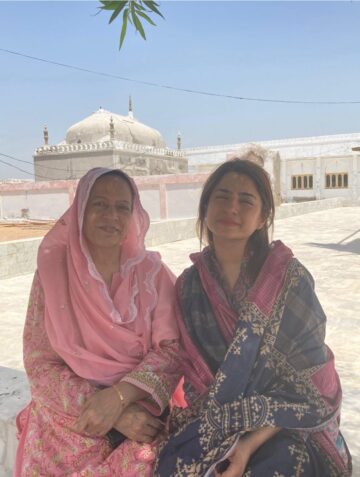
A poor mark in an English dictation exercise, a face smudged with calligraphy ink and a teacher’s perfectly timed joke marked the beginning of Fatemeh Nisa Mirshahi’s lifelong vocation. Years later, teaching in her own village classroom, she made a prediction about one of her pupils. Twenty-three years on, a telephone call brought news that moved her to tears of happiness.
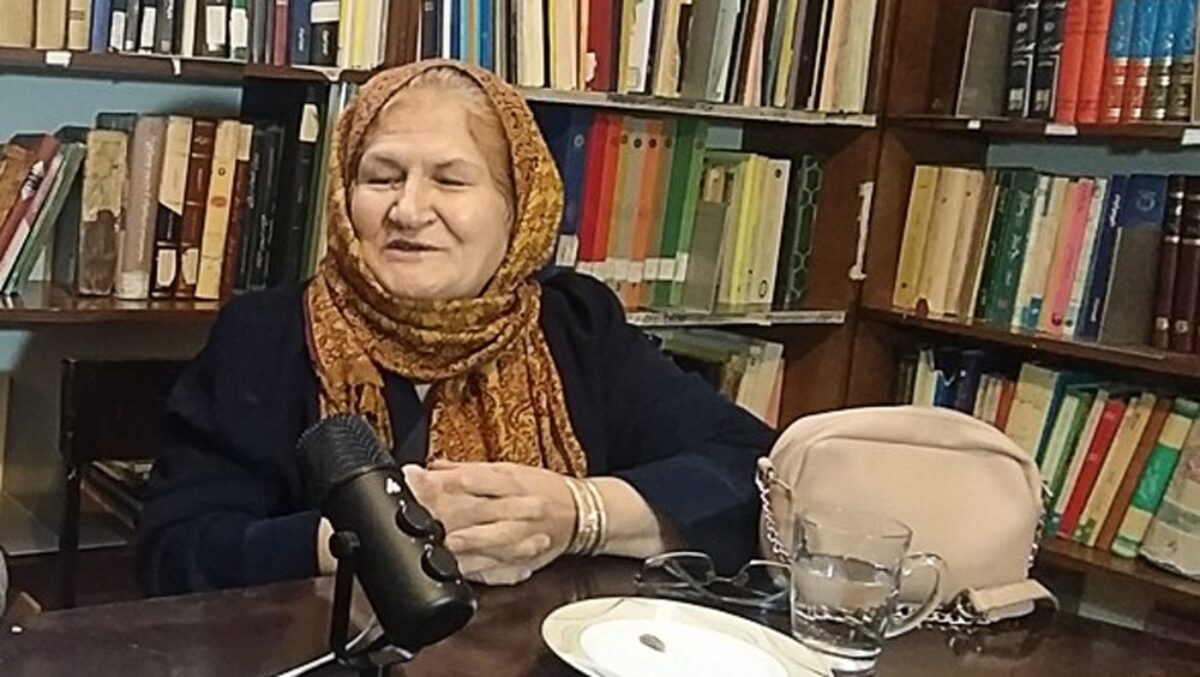
Salamiyah, Syria
Ali Suhail Kabalan graduated among the top of his engineering cohort, and his fellow engineers could not understand why he would accept a post in education becoming a teacher. He saw it differently, and held to that view.
About the Oral History Project
The Oral History Project of the Ismaili Special Collections Unit at The Institute of Ismaili Studies seeks to preserve the memories, experiences and stories of members of Ismaili communities worldwide, in their own voices.
Share your story
Do you know an elder who spent a lifetime teaching, or who still remembers the teacher who changed the direction of their life? If you would like to contribute their story, please contact the Oral History Project Coordinator, Rizwan Karim, at rkarim@iis.ac.uk.