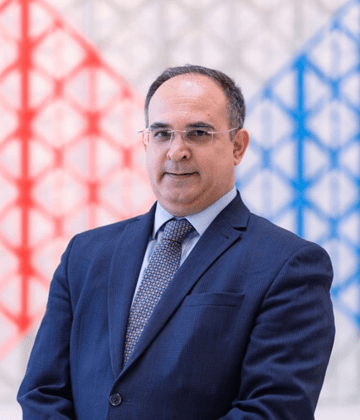
Dr Jalal Badakhchani – in full, Sayyid(pl. sāda/asyād) Arabic term for ‘lord’ or ‘master’. It is a pre-Islamic term and refers to a person who possesses dignity or enjoys an exalted position among his people. Amongst… Jalal Hosseini Badakhchani – passed away peacefully in London on the morning of 11 August 2026, aged 85. He was the foremost scholar of the Persian Ismaili literature of the Alamūt period, and it is primarily through his editions and translations that the writings of the Ismaili da‘i Naṣīr al-Dīn Ṭūsī (d. 1274 CE) became legible to the modern reader.
Early life and education
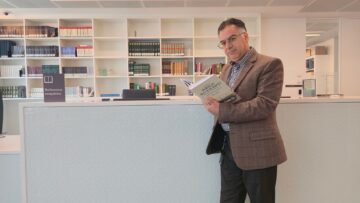
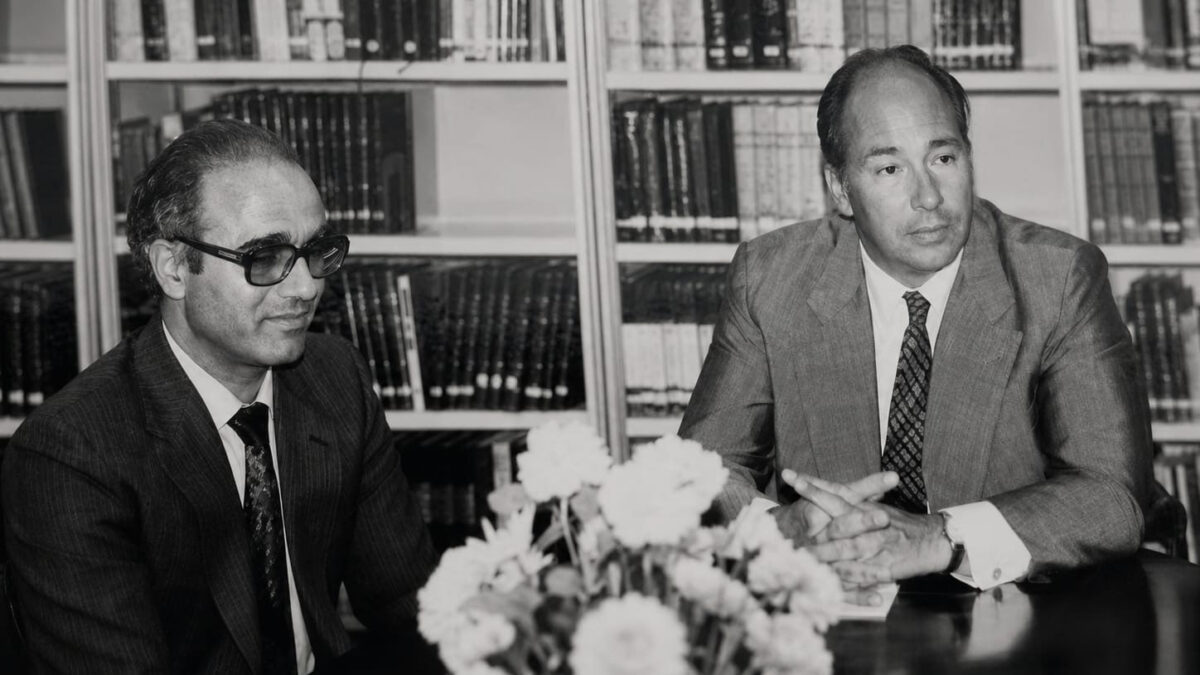
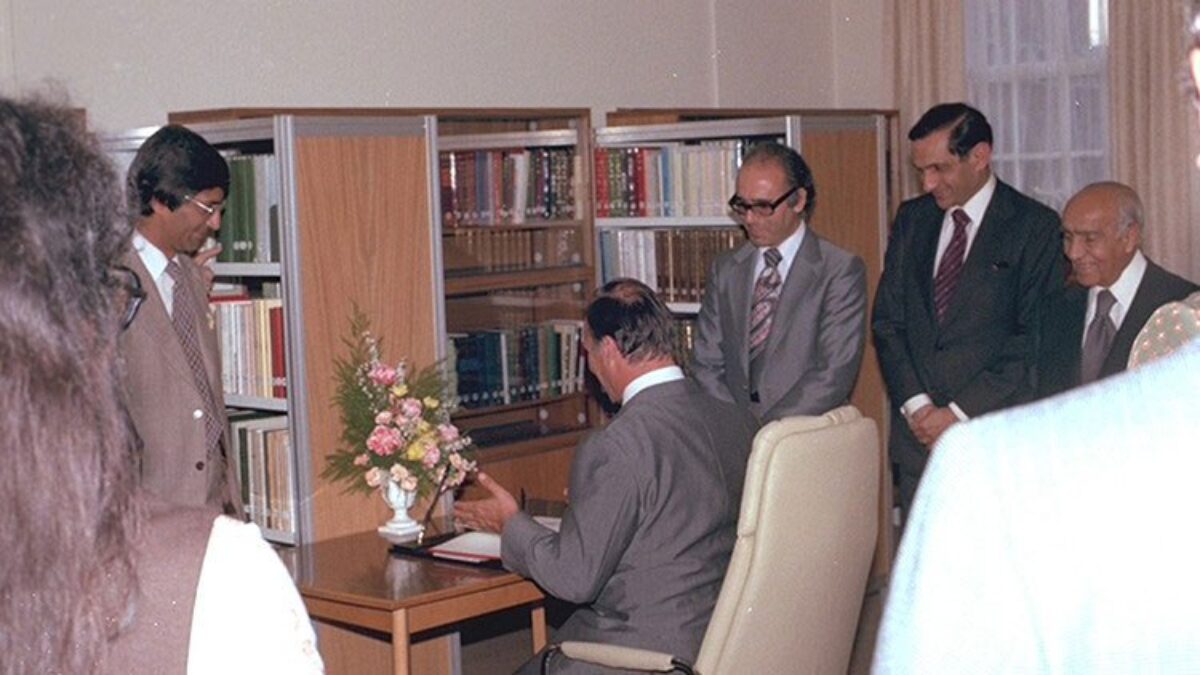
Dr Badakhchani came from a family that has served the Ismaili Imamat for generations: his father, Sayyid Sulayman Shah Hosseini Badakhchani, was the official and most learned religious teacher of the Ismaili community in twentieth-century Iran. Jalal Badakhchani received his early education in Dizbad and Mashhad, and was admitted to the University of Mashhad to train as a dentist. He abandoned that path and turned instead to the Faculty of Theology, taking his degree in Islamic philosophy in 1975 under Sayyid Jalal Ashtiani, one of the foremost teachers of Islamic mysticism and commentators of Mulla Sadra of his generation. He went on to serve as Deputy Director of the Central Library at Ferdowsi University in Mashhad and, in a voluntary capacity, as secretary of the Aga KhanA title granted by the Shah of Persia to the then Ismaili Imam in 1818 and inherited by each of his successors to the Imamate. Ismaili Committee of Mashhad; it was in this latter role that his travels through the Ismaili-populated districts of KhurasanThe northeastern region of early Islamic Persia, immediately south of Transoxania and west of Badakhshan. More brought him into contact with the first of the Alamūt-period manuscripts that would occupy him for the rest of his life. At the request of His Highness Aga Khan IV, he was called to London to establish the library of The Institute of Ismaili Studies (IIS), founded two years earlier in 1977. That library has grown, across nearly five decades and evolved into today’s Aga Khan Library.
Teaching, doctorate and publications
Dr Badakhchani taught the Institute’s first generation of students. His teaching was anchored throughout in the writings of Ṭūsī, the central pillar of Nizari Ismaili thought. Convinced that these texts deserved the fullest scholarly treatment, he undertook a doctorate at the University of Oxford, completed in 1989 under the supervision of the late Wilferd Madelung. His thesis was published in 2005 as Paradise of Submission: A Medieval Treatise on Ismaili Thought, an edition and translation of Ṭūsī’s Rawḍa-yi Taslīm with an introduction by Hermann Landolt and a philosophical commentary by Christian Jambet; it remains the primary source for Nizari Ismaili doctrine of the period. His first published book, however, had appeared seven years earlier: Contemplation and Action: The Spiritual Autobiography of a Muslim Scholar (1998), his edition of Ṭūsī’s own account of his education and his acceptance of the Ismaili tariqah of Islam. A third volume, Shiʿi Interpretations of Islam: Three Treatises on Theology and Eschatology (2010), completed what is now read as a single sustained project spanning more than a decade.
The Dīwān-i Qāʾimiyyāt
His most remarkable find came by chance. A manuscript of the poetry of Ḥasan-i Maḥmūd-i Kātib (d. after 1242), a companion of Ṭūsī at Alamūt, whose work had been all but forgotten, turned up hidden inside an old building during renovation. Dr Badakhchani later tracked down photocopies of the sections still missing, and in 2011 published the complete text as the Dīwān-i Qāʾimiyyāt, with a second, expanded edition in 2016. In his own assessment, it is the finest surviving specimen of Ismaili poetry since Nāṣir-i Khusraw. For this work, the Heritage Foundation and the National Library of Iran awarded him a certificate of honour in January 2013. All of his published works on Ṭūsī has since been reprinted in Iran, in Persian, by Mirāth-i Maktūb, Tehran’s Written Heritage Research Centre. At the time of his demise he was still at work on a new critical edition and translation of the Haft Bāb-i Abū Isḥāq, a fifteenth-century Nizari treatise first edited by Wladimir Ivanow in 1959 – the last of the Alamūt-period texts he set out, across four decades, to restore to scholarly use. It remains forthcoming from the IIS. He had also completed a translation from Persian into English of his father’s travelogue, an account of the journey to Africa, via Mumbai, for the Diamond Jubilee of Imam Sultan Muhammad Shah, Aga Khan III, in 1946. It is to be published in the South Asian Studies Series.
Scholarship and community
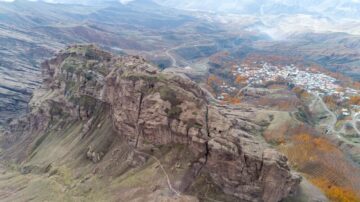
Dr Badakhchani’s scholarship never separated him from the Ismaili community. His knowledge of Persian and his intimate understanding of the Ismaili communities of Iran, Afghanistan and Tajikistan meant that teaching and community service went hand in hand throughout his career: he lectured on Ismaili philosophy for decades, both at the IIS and in Ismaili community settings, and for many years led the Harrow Iranian Community in London. His family’s ties to Central Asia ran deep. An ancestor had migrated from Central Asia to Iran generations earlier and settled, through marriage, in Dizbad, near Neyshabur. Dr Badakhchani’s father was the first of that line to be born and raised there.
He is survived by his wife, three sons, two daughters-in-law and three grandsons, all living in the United Kingdom. Nearly every scholar now working on Nizari Ismaili literature owes something to Dr Badakhchani’s patient labour of critical editing – manuscripts he tracked down, transcribed and prepared for a readership that did not yet know it needed them. His memory will remain with the IIS for many years to come, and the fruits of that labour will go on serving scholars and students of Ismaili studies long after him. He will be greatly missed.