
On 18 November 2025, The Institute of Ismaili Studies (IIS), London, and the Institute of French Islamology (IFI), Paris, signed a Memorandum of Understanding (MoU) to advance research and teaching in Islamic studies. The partnership strengthens academic exchange, supports collaborative learning, and broadens understanding of Muslim cultures across historical and contemporary contexts. Established in 2022, the IFI brings together eight French academic institutions and the Ministry of Higher Education, Research and Space.
Strengthening Islamic studies through partnership
The agreement builds on the IIS’s growing relationships in France and follows the accord signed with Fondation Inalco in 2022. It reflects the shared commitment of both institutions to high-quality scholarship on Muslim traditions and the communities that shaped them. In the framework of the MoU a series of lectures under the rubric ‘Shia Islam and Ismaili Studies’ where held at Inalco in Paris, where IIS scholars presented their research.
Shared commitment to scholarship and pluralism
Founded in 1977 by His late Highness Shah Karim al-Husayni, Aga Khan IV, IIS promotes rigorous scholarship on Islam in its historical and contemporary expressions. The Institute strengthens cross-cultural understanding and promotes greater appreciation of diversity within Muslim societies and beyond.
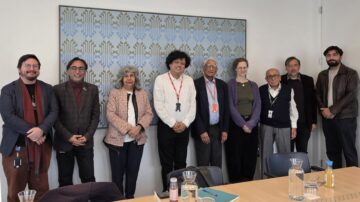
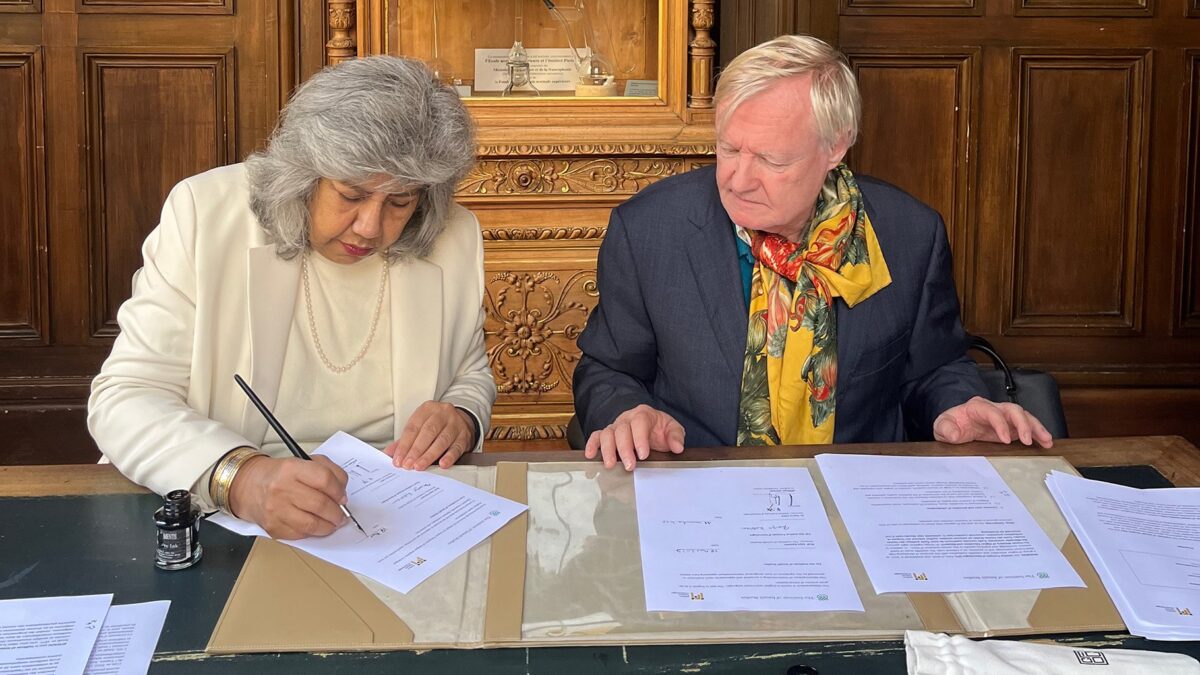
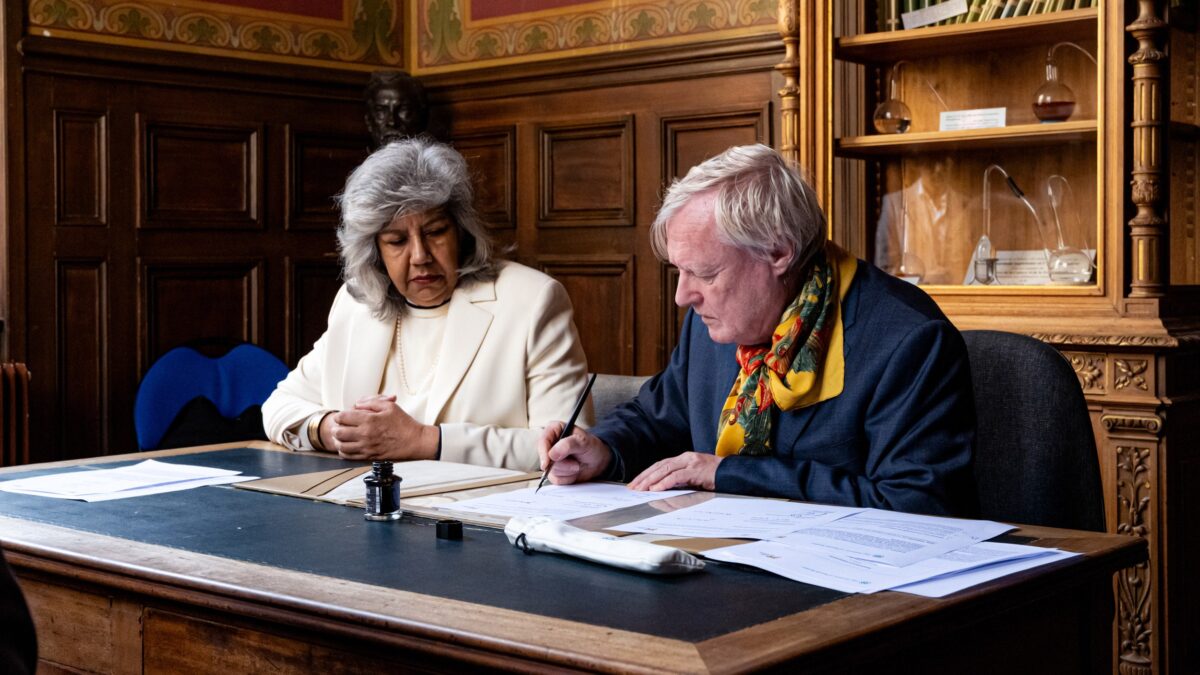
Professor Zayn Kassam, Director of the IIS, and Professor Pierre Caye, Director of the IFI, signed the Memorandum of Understanding. In their remarks the directors highlighted the value of international cooperation in sharing knowledge about Islam with global audiences and in promoting pluralism. This partnership marks an important step in expanding collaborative networks between scholars, institutions, and communities engaged in the study of Muslim cultures.
Professor Claudio Galderisi, the Chairman of IFI recalled the role of the Ismaili traditions in the Fatimid Empire as a major intellectual movement of the time and commended the path of friendship and knowledge undertaken by the two institutions to continue that legacy. Professor Mohammad Ali Amir-Moezzi also commended the institutions for entering the partnership and emphasized that science has no borders, and Islam should be learnt in its full diversity.
In his remark, Ambassador Jean-Christophe Peaucelle pointed out that the agreement is to be seen in the broader framework of the strategic relationship of the Imamat and the French Government which resulted in signing cooperation agreements in the field of development and cultural preservation.
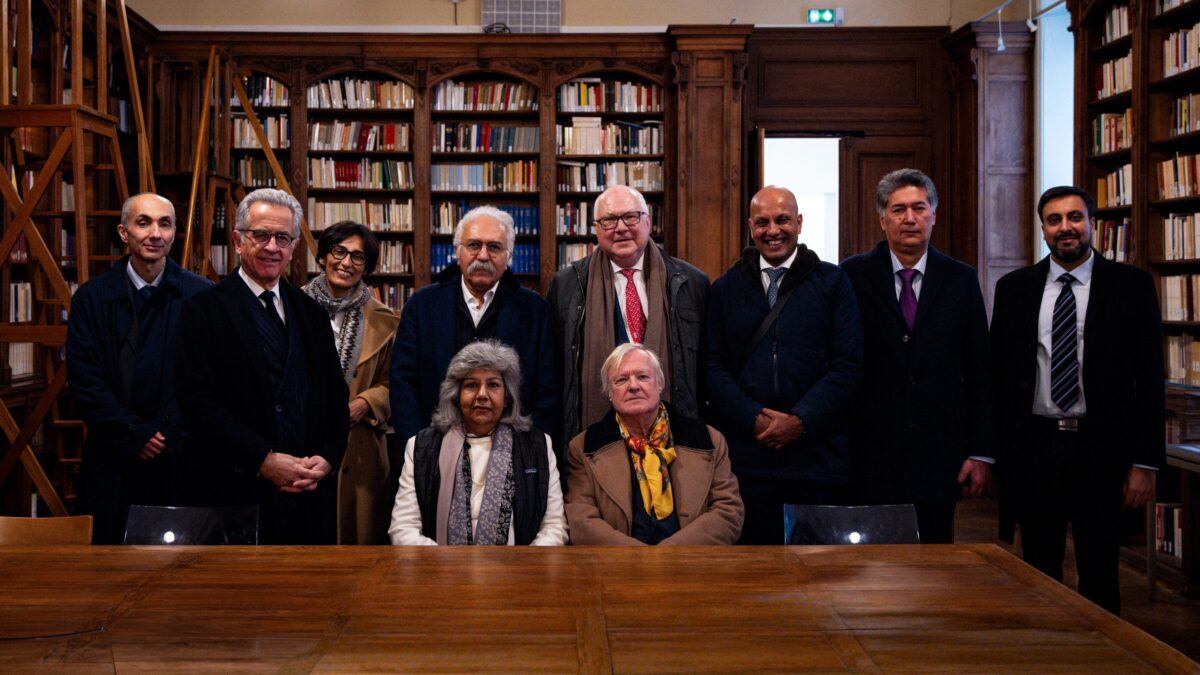
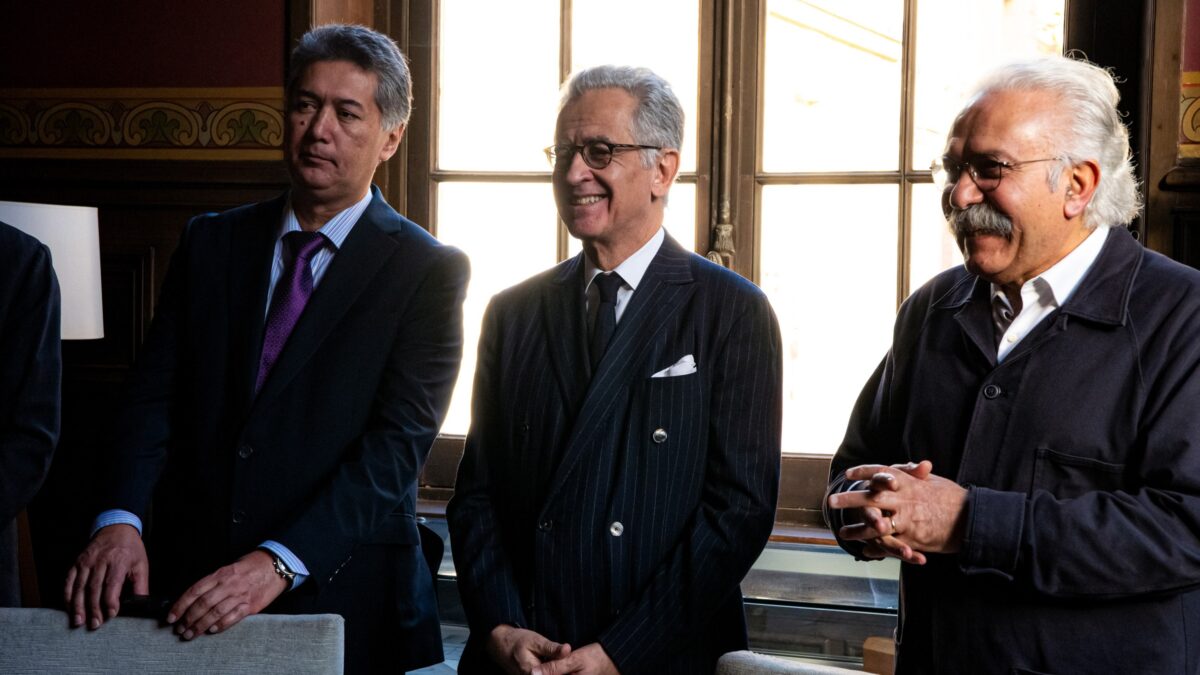
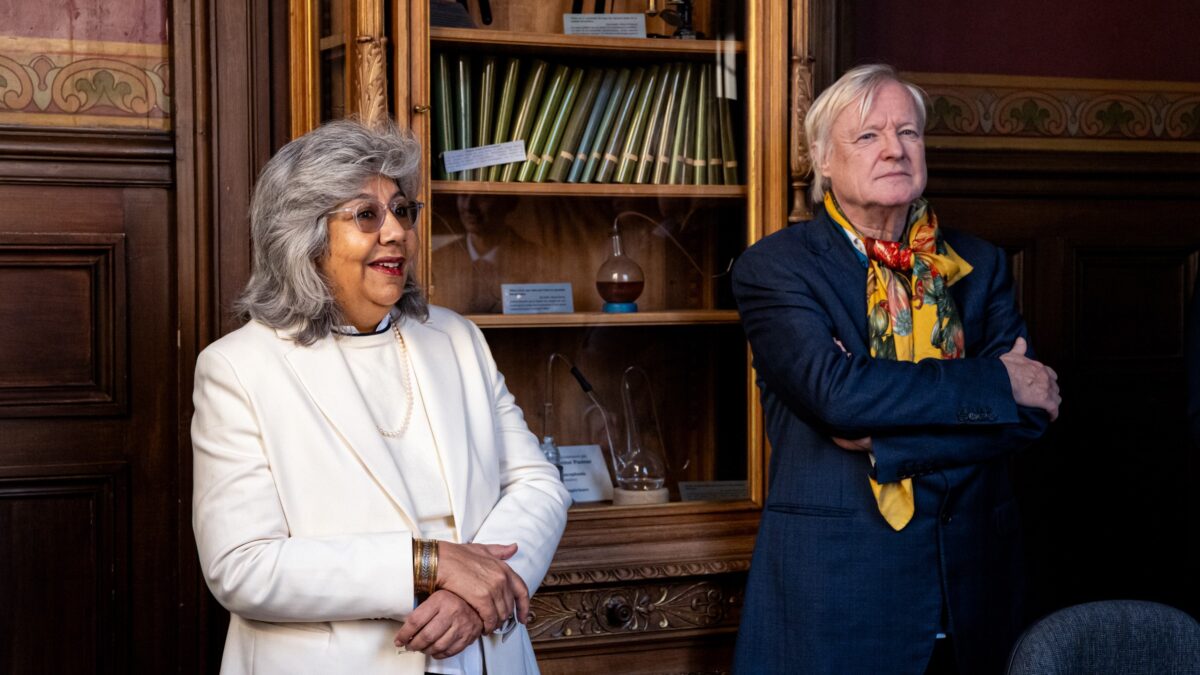
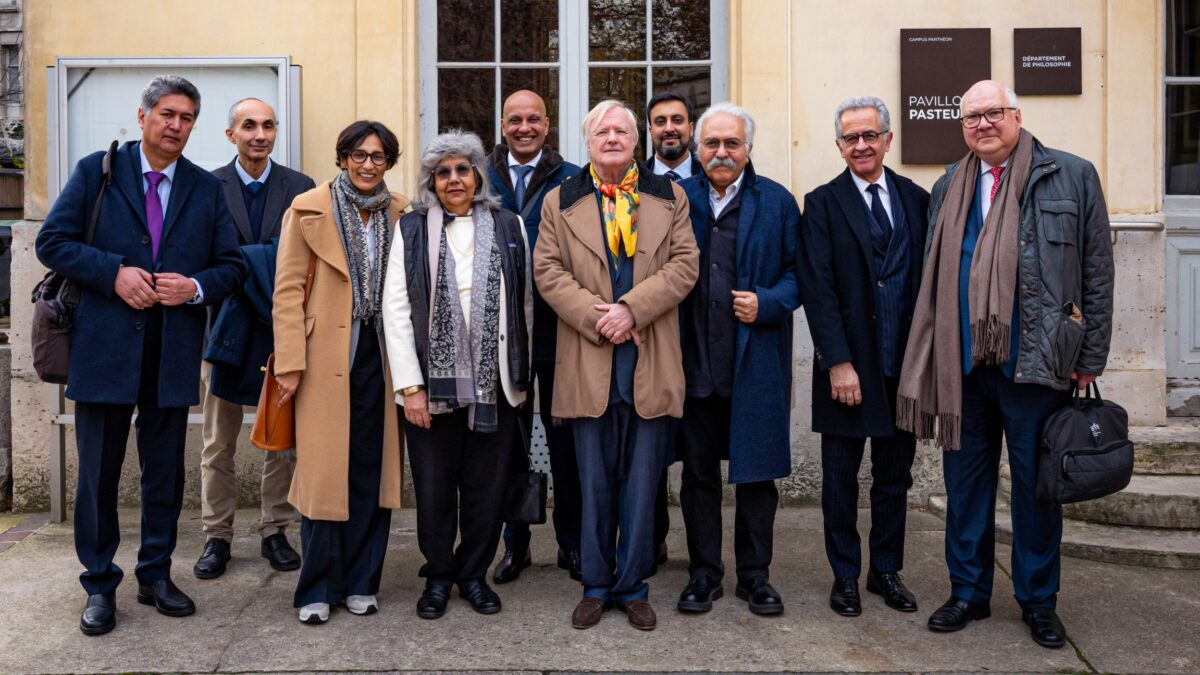
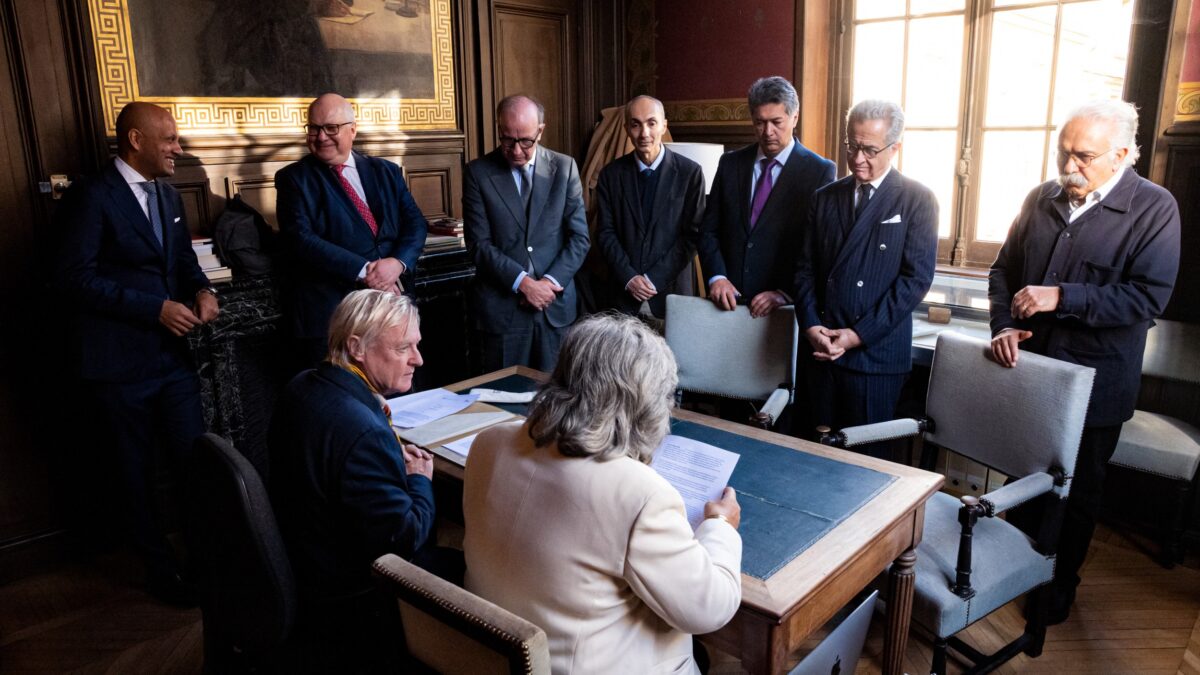
The signing ceremony took place at a École Normale Supérieure (ENS) (Elite Higher Education Institution), the affiliate of the IFI, in the historic office of the renowned French scientist Louis Pasteur (1822–1895), a pioneer of vaccine who served for many years as Director of Scientific Studies at the ENS. The venue was chosen to symbolize the spirit of scientific innovation and academic collaboration to foster advancement in the study of Islamic thoughts and cultures.
The ceremony was attended by representatives of the Institute of Ismaili Studies, including Professor Zayn Kassam (Director), Dr Hakim Elnazarov (Head of Central Asian Studies), and Dr Orkhan Mir-Kasimov (Associate Professor). From the Ismaili institutions in France, Aiaze Mitha (President, Ismaili National Council), Rehana Ladak (Chair, Ismaili Tariqa and Religious Education Board), and Arif Lakhani (Executive Officer, ITREB) were present.
The Inalco Foundation was represented by Philippe Advani (President). The Institute of French Islamology was represented by Professor Claudio Galderisi (Chairman), Professor Pierre Caye (Director), and Professor Moammad Ali Amir-Moezzi (Head of the Scientific Committee). Jean-Christophe Peaucelle, Ambassador and Advisor for Religious Affairs at the Ministry of External Affairs, also attended.
The agreement marks a significant milestone in the IIS’s engagement with French academic institutions. By fostering deeper collaboration, joint research, and shared learning, the partnership will contribute to a richer understanding of Muslim cultures and strengthen the global study of Islam for years to come.