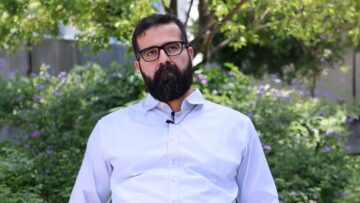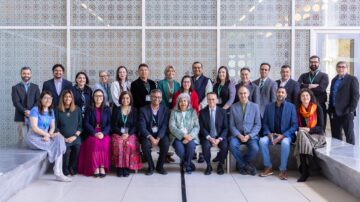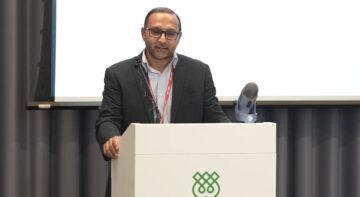
The Institute of Ismaili Studies (IIS), in collaboration with the University of Melbourne, hosted a Voices of Contemporary Islamic Thought webinar exploring the relationship between Islam and human rights. Chaired by Professor Abdullah Saeed and moderated by Dr Mohamed Keshavjee, the session features Professor Mashood Baderin, with reflections by Noreen Shariff.
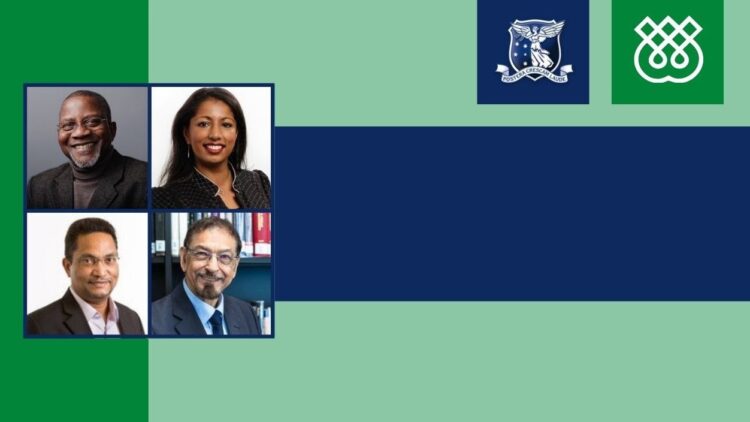
The discussion challenges the idea that Islam and human rights are inherently incompatible. Instead, it presents both shari‘a and human rights as interpretive traditions shaped by human agency, ethical reasoning, and changing social contexts.
About the discussion
In this conversation, Professor Baderin argues that the perceived conflict between Islam and human rights is often a “myth of discord”. Rather than asking whether Islam and human rights are compatible in general terms, he suggests focusing on specific rights, contexts, and interpretive approaches.
The discussion examines how Islamic ethical principles can support human dignity, justice, mercy, and accountability. It also considers how religious values can help prevent rights violations before legal systems are forced to respond.
The speakers explore common binaries, including rights and duties, individualism and community, as well as state sovereignty and divine sovereignty. They argue that these oppositions often oversimplify both Islamic thought and modern human rights frameworks.
Key themes discussed
- Islam and human rights beyond the compatibility debate
- The “myth of discord” between shari‘a and human rights
- Human agency in interpreting religious and legal traditions
- Faith traditions and the history of international law
- Moral responsibility, prevention, and legal enforcement
- Mercy, justice, and dignity in Prophet Muhammad’s teachings
- Rights, duties, individual dignity, and community responsibility
- Maqāṣid al-sharīʿa and human welfare
- Reform in Muslim-majority societies
- Dialogue across cultures, faiths, and legal traditions
This webinar presents human rights as a shared moral concern rather than a uniquely Western framework. Professor Baderin shows how Islamic thought can contribute constructively to contemporary debates on dignity, justice, and accountability. The conversation moves beyond confrontation and calls for deeper engagement between legal systems, ethical traditions, and lived Muslim contexts.