The Central Asian Studies Unit at The Institute of Ismaili Studies (IIS) presents a video series on its research into the Ismaili communities of Central Asia and Afghanistan. The 15 short videos explore how these communities have maintained their identities, cultures, and traditions through centuries of change. In the series, Dr Hakim Elnazarov and Dr Yahia Baiza draw on their research to explore the histories and living heritage of these communities. Dr Elnazarov examines the IsmailisAdherents of a branch of Shi’i Islam that considers Ismail, the eldest son of the Shi’i Imam Jaʿfar al-Ṣādiq (d. 765), as his successor. of Central Asia and traces their historical roots, explores key figures, rituals, manuscripts, and oral traditions that continue to shape community life today. Dr Baiza focuses on Afghanistan, and on the Hazara Ismailis in particular. He examines their cultural heritage, historical connections, and experiences of political upheaval and displacement.
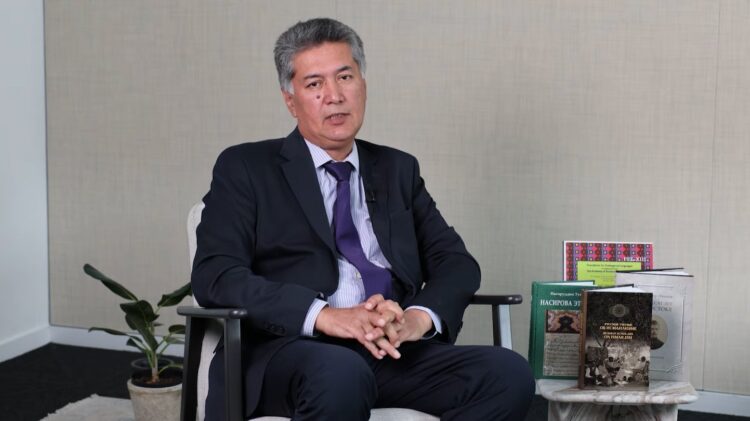
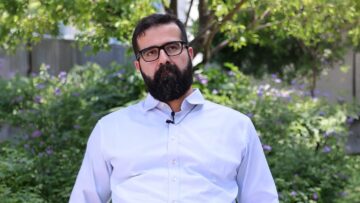
Dr Hakim Elnazarov introducing the work of Central Asian Studies Unit
Central Asian Studies Unit
Main focus and activities
In the first video, Dr Elnazarov introduces the work of the Central Asian Studies Unit. The Unit focuses on three areas: research, publications, and academic engagement. Its research extends across Central Asia, Afghanistan, western China, Russia and northern Pakistan, examining the historical and cultural connections between Ismaili communities and the wider societies in which they live. The Unit also studies Ismaili communities in Russia, particularly in Moscow, St Petersburg and other cities where many Central Asian Ismailis have settled.
The Unit has published nearly 50 books, including translations of IIS publications into Russian, Chinese, Uyghur and other regional languages. It also publishes original scholarship by Central Asian researchers in local languages, making their work accessible to scholars and wider audiences. Through conferences and academic forums in Central Asia, Russia and Europe and North America, the Unit fosters scholarly exchange and brings research on the region to an international audience.
Topics discussed in this series
- The early spread of the Ismaili daʿwaLit. ‘summons’, ‘mission’ or invitation to Islam. Amongst Shi’i Muslims, it was the invitation to adopt the cause of the Imamat. It also refers more specifically to the hierarchy of… in Central Asia under the SamanidsMuslim dynasty in the Khurasan and Transoxania region of mediaeval Persia (900–1005).
- The legacy of Nasir-i Khusraw
- The Chiragh-i Rawshan ceremony
- Endangered languages of the Pamirs and Hindu Kush
- Manuscripts, archives, and oral histories
- The Hazara Ismailis of Afghanistan and their links to the region’s centres of learning