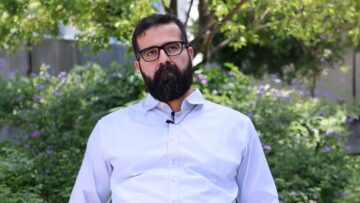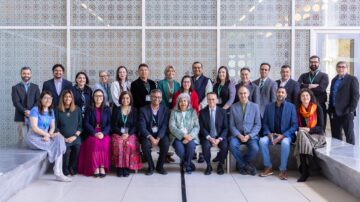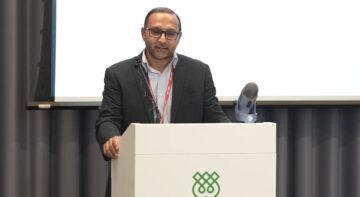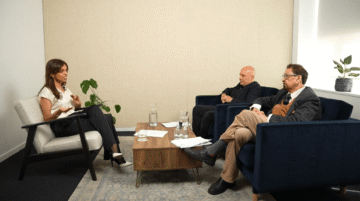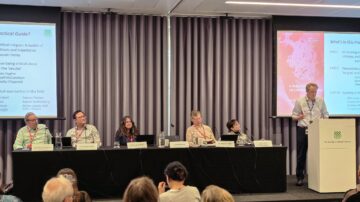
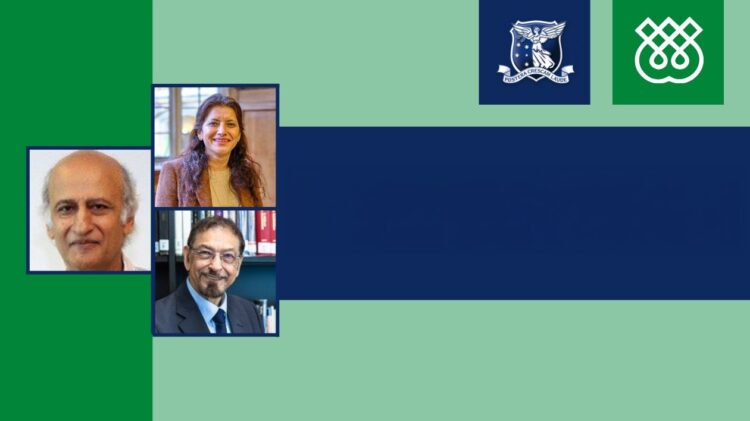
The Institute of Ismaili Studies (IIS), in collaboration with the National Centre for Contemporary Islamic Studies at the University of Melbourne, hosted a session of the Voices of Contemporary Islamic Thought series addressing female education in the Muslim world and the politics of representation surrounding it. The session was moderated by Dr Salim Kassam Lakha, Honorary Senior Fellow in the Development Studies Program at the University of Melbourne, deputising for Professor Abdullah Saeed. It features Professor Masooda Bano, Professor of Development Studies at the Oxford Department of International Development, with concluding reflections from Dr Mohamed Keshavjee.
About the discussion
Professor Bano traces her path into development studies, from working with Mahbub-ul-Haq on the first South Asia Human Development Report to her doctoral research at Oxford, and reflects on how the interdisciplinary nature of the field has shaped her work on female education, governance and authority in Muslim contexts.
The conversation examines how Muslim women have historically been represented in Western scholarship, moving from early orientalist readings of Islam through to more recent ethnographic approaches that recognise women’s agency, including within expressions of piety. Professor Bano discusses how second and third generation Muslim women in Europe are challenging stereotypes through reformed madrasa education, digital media, and community-led schools, while also facing new restrictions on their choices in some European states.
Drawing on historical examples of women’s contributions to Islamic learning, the discussion turns to why female participation in education remains low in parts of the Muslim world, arguing that the underlying causes, such as school safety, distance and sanitation, are development and governance challenges rather than specifically religious or cultural ones. The session closes with a wider reflection on how Islamic thought might contribute to rethinking development policy and decolonising the field’s Western-centric foundations, and on the intellectual modernity implicit within the Islamic tradition itself.
Key themes discussed
- Representation of Muslim women in Western academic and policy discourse
- Female agency, piety, and rights within Islamic thought
- Madrasa reform, digital media, and Muslim-led schools in Europe
- Historical models of Muslim women’s contributions to education
- Structural barriers to female education: safety, access and school quality
- Education governance and the limits of donor-driven policy reform
- Islam, development studies and decolonising knowledge
The discussion challenges the assumption that low female education levels in parts of the Muslim world stem from religion or culture, pointing instead to practical and governance barriers, while highlighting a new generation of Muslim women reshaping education and public life across Europe.