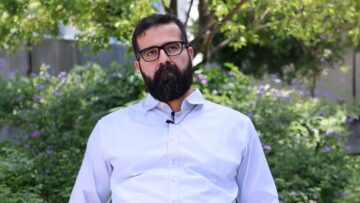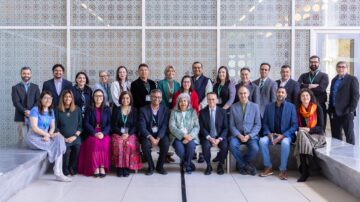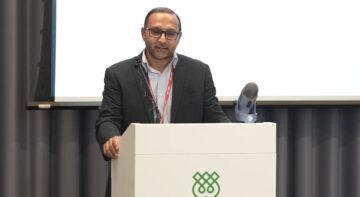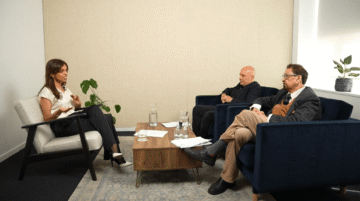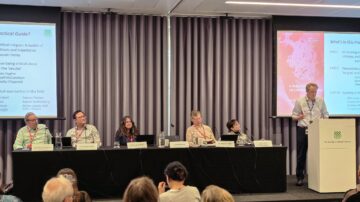
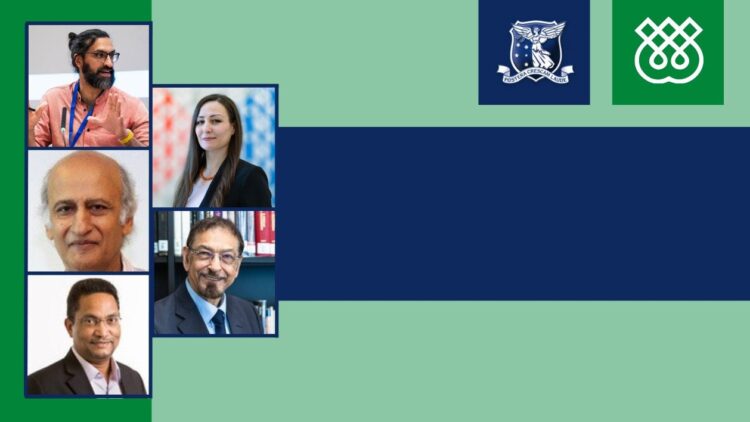
The Institute of Ismaili Studies (IIS), in collaboration with the University of Melbourne, hosted a Voices of Contemporary Islamic Thought webinar exploring how education can respond to interconnected global challenges, including climate change, health inequities, and sustainable development. Chaired by Dr Salim Kassim-Lakha and moderated by Dr Muhammad Keshavjee, the session features Dr Miqdad Asaria, with summary reflections by Dr Zamira Dildorbekova. The discussion examines the concept of polycrisis, the role of education in cultivating greater agency, and how diverse ethical and intellectual traditions can help communities imagine and build more sustainable futures.
About the discussion
The discussion examines how systems thinking, collaborative learning, and ethical reflection can help students understand complex global challenges. Dr Asaria also shares insights from his teaching practice, including the use of Daybreak, a climate-focused cooperative board game that encourages learners to experiment with systems, rethink assumptions, and develop collective solutions to shared problems.
The conversation further explores how diverse intellectual and cultural traditions, including Islamic ethical concepts such as stewardship, justice, balance, and responsibility, can contribute to contemporary debates on sustainability and the common good. Addressing the role of artificial intelligence, Dr Asaria argues that while technological tools can support learning, human imagination, ethical reasoning, and agency remain essential for creating more equitable and sustainable futures.
Reflecting on the discussion, Dr Dildorbekova highlights the importance of agency-building pedagogies, interdisciplinary learning, and ethical frameworks in responding to contemporary challenges. The session concludes with Dr Salim Lakha’s reflections on how creative, collaborative, and decolonised approaches to education can help cultivate the imagination and collective responsibility needed to navigate an increasingly complex world.
Key themes
- Polycrisis and sustainable development
- Climate change, health equity, and the common good
- Systems thinking and collective action
- Education for agency and social transformation
- Muslim ethical perspectives on sustainability
- Interdisciplinary approaches to global challenges
- Artificial intelligence, imagination, and human agency
- Stewardship, justice, and responsibility in education