
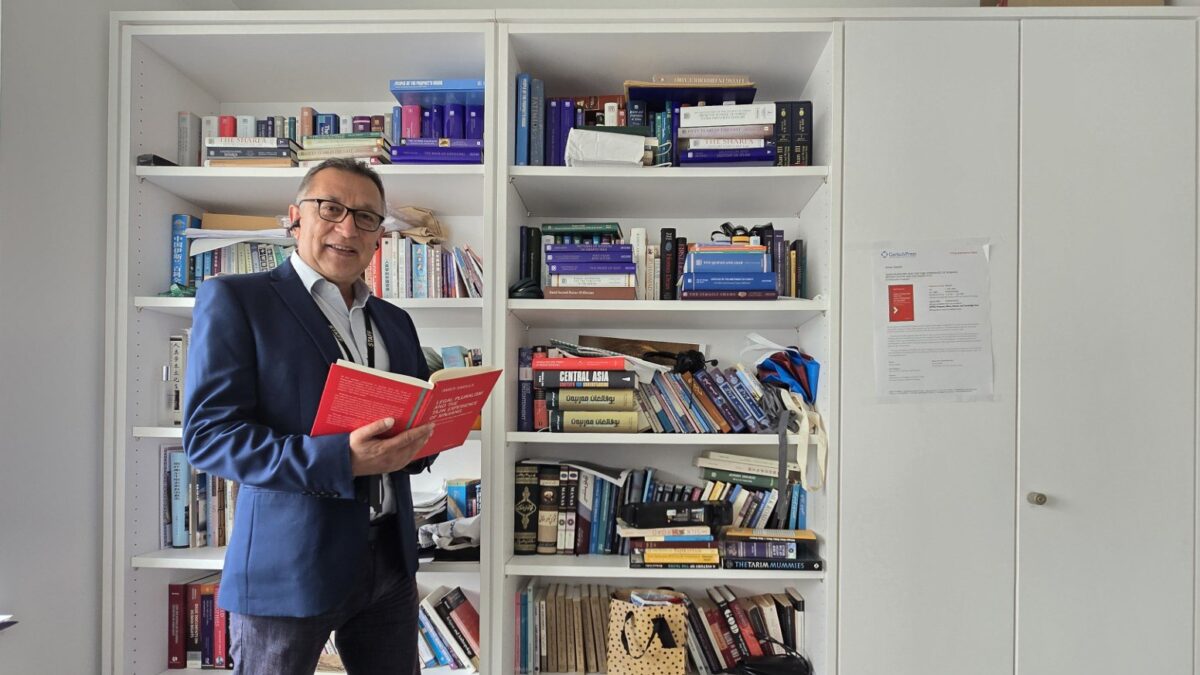
نشر الدكتور أمير سعيد الله، الباحث المشارك الأول في معهد الدراسات الإسماعيلية، كتابًا جديدًا يبحث في الكيفية التي تحفظ بها أقليةٌ صغيرةٌ نظامَها وهويتَها في أقصى الأطراف الغربية للصين. يحمل الكتاب عنوان التعددية القانونية والتجربة الطاجيكية في شينجيانغ: بين العُرف والدولة الصينية، وهو صادر عن دار غيرلاخ للنشر.
نبذة عن الكتاب
يتناول الكتاب الكيفية التي تُنتج بها أقليةٌ مهمَّشة إثنيًا ودينيًا وعِرقيًا إحساسًا بالجماعة ومجالًا للنظام الاجتماعي على الأطراف الجغرافية والثقافية للدولة الصينية. ويستند البحث إلى نتائج عملٍ ميداني أُجري بين طاجيك محافظة تاشكورغان الطاجيكية ذاتية الحكم في جنوب شينجيانغ في المدّة الممتدّة من أيار 2010 إلى أيلول 2011، وإلى خبرة أمير بوصفه مدّعيًا عامًا سابقًا في شينجيانغ. ويتناول الكتاب الطرق التي يواصل بها الطاجيك في أقصى غرب الصين إدارة النزاعات والحفاظ على النظام الداخلي في بيئة لا يمكن التنبؤ بها.
فكرة الوئام
تستقي هذه الدراسة دروسًا مقارِنة من عمل لورا نادر عن المكسيك (1991)، وعمل فرناندا بيري عن لاداخ في التبت (2007)، وتركّز على دلالة «أيديولوجيا الوئام» التي تُشدد على تجنب الصراع المفتوح. وترى أن هذا التركيز على «الوئام» إنما هو محاولة لإنتاج الاستقرار وقدرٍ من الاستقلال الثقافي داخل نظامٍ سياسي هرمي. غير أن «أيديولوجيا الوئام» هذه قد تعيد أيضًا إنتاج أوجه اللامساواة على خطوط النوع الاجتماعي والعمر وسواها من الخطوط الهرمية داخل المجتمع الطاجيكي. ويسلّط الكتاب الضوء على سياسات الهوية والأخلاق والتحدّيات الوجودية التي تواجهها أقليةٌ في دولة الحزب الواحد.
القانون والعُرف والحياة اليومية
من خلال دراسة السياسات الجزئية للنزاعات، تحلل هذه الدراسة دور المعايير والقيم الرسمية والتوافقية التي تحكم جوانب مختلفة من الممارسات المعيارية في المجتمع الطاجيكي. وتوجه هذه القيم الأخلاقية النظام الاجتماعي الداخلي، الذي يُصان عبر سلسلة من الآليات غير الرسمية، وتضع معيارًا للسلوك بين الأفراد وداخل الجماعة. أما القوانين واللوائح الرسمية، التي تمثل إرادة الدولة، فتضمن امتثال الممارسات المحلية للمتطلبات القانونية عند تنظيم النظام الاجتماعي الداخلي. وبشرط احترام الحدود القانونية، ومراعاة أولوية القوانين الرسمية، فإن منظومتَي المعايير تتكاملان أحيانًا على نحوٍ خفيّ للحفاظ على وجود اجتماعي منتظم.
تُسلط دراسات الحالة التي اختارها الدكتور سعيد الله الضوء على آليات عمل القانون والسياسة في الدولة على أرض الواقع. ويركز الكتاب، من خلال دراسته الإثنوغرافية المُفصّلة، على أخلاقيات المجتمع الطاجيكي التي تُضفي معنىً على الجوانب التنظيمية للقيم والأعراف والممارسات غير الرسمية، وتُظهر التصور الطاجيكي للدولة وأجهزتها. وبشكل عام، تُلفت الدراسة الانتباه إلى الترابط بين القانون والسياسة وتأثيره على كيفية تنظيم المجتمعات المهمشة لحياتها الاجتماعية الداخلية.
يقدم الكتاب سرداً حياً للهوية والأخلاق والصمود. ويُظهر كيف يحافظ مجتمع ناءٍ على تماسكه من خلال توازن دقيق بين عاداته وقانون الدولة العلمانية، بينما يتساءل أيضاً كيف يمكن للقيم التي تربط شعباً ما أن ترسخ أوجه عدم المساواة بين أفراده.
نبذة عن الدكتور أمير سعيد الله
أنهى الدكتور أمير سعيد الله برنامج الدراسات العليا في الدراسات الإسلامية والعلوم الإنسانية ومدته سنتان في معهد الدراسات الإسماعيلية، ويحمل درجة الدكتوراه في الأنثروبولوجيا من جامعة إدنبرة. ونال درجة الماجستير في القانون (LLM) من كلية الدراسات الشرقية والأفريقية (SOAS) في جامعة لندن. كما يحمل درجة البكالوريوس في القانون الصيني من جامعة شمال غرب للعلوم السياسة والقانون في شيآن، بالصين. وقبل التحاقه بالمعهد، عمل مدّعيًا عامًا مسؤولًا عن القضايا الدولية في النيابة الشعبية العليا لمنطقة شينجيانغ الأويغورية ذاتية الحكم.
تتركّز أبحاثه على تاريخ مسلمي الصين وثقافتهم وتقاليدهم، ولا سيّما الجماعة الإسماعيلية.