The Institute of Ismaili Studies (IIS), in collaboration with the Aga Khan Music Programme, presents this lecture-recital featuring master musicians from Hunza and academic researchers exploring the region’s musical tradition.
Hareep and the musicians
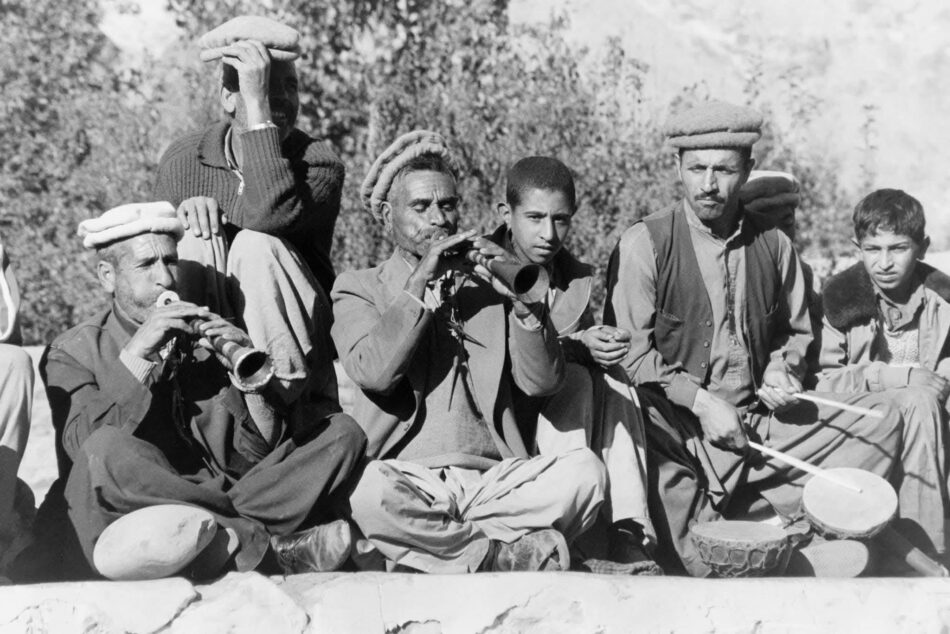
Hareep is an indigenous musical tradition of the Hunza Valley and its surrounding regions in northern Pakistan. Historically performed across a range of social, ritual, and ceremonial contexts, it accompanied soldiers’ departures for battle and their return, marked victories and defeats, animated polo matches and seasonal celebrations, and formed an integral part of shamanic trance rituals. Its melodies carry not only musical knowledge but also the histories, memories, and social worlds in which the tradition has been practised for generations.
The preservation and transmission of Hareep have historically been sustained by the Bericho, a hereditary community of musicians whose knowledge has been passed down through oral teaching, apprenticeship, and performance. Despite profound social and economic transformations in Hunza, Bericho musicians have continued to safeguard an extensive repertoire of melodies and performance practices. Today, however, much of this inherited knowledge rests with a small number of senior practitioners, making the documentation and transmission of their expertise increasingly important
Performance and conversation
This lecture-recital brings master musicians from Hunza into conversation with researchers and audiences to explore Hareep as a living tradition of musical knowledge, memory, and cultural heritage. Combining live performance with dialogue, the event places the musicians’ voices and experiences at its centre, inviting audiences to discover the stories behind the melodies and the people who have sustained them.
The musicians will reflect on how they acquired their repertoires, how musical knowledge is remembered and transmitted, and how the social position of musicians in Hunza has changed over time. Their experiences offer insights into the relationship between musical practice and social identity, as well as the ways in which traditions endure, adapt, and acquire new meanings across generations.
The discussion will also consider the changing circumstances in which Hareep is practised today. Education, migration, tourism, media technologies, and cultural heritage initiatives have reshaped attitudes towards traditional music and musicianship. Against this backdrop, the event will explore questions of cultural ownership, authenticity, innovation, and artistic creativity, while recognising the agency of the musicians who continue to negotiate these changes.
Launching the digitised dissertation
The lecture-recital will also mark the public launch of the digitised edition of Colin Huehns’ landmark dissertation, Music of Northern Pakistan (1991). A foundational study of the region’s musical traditions, the dissertation remains an important resource for researchers and musicians alike. Its digitisation by the Aga Khan Library represents a significant step towards expanding access to scholarship on the musical heritage of northern Pakistan.
Joining the musicians will be Colin Huehns, whose fieldwork documented musical traditions across northern Pakistan, and Anna Schmid, whose ethnographic research on the Bericho musician community remains an important contribution to the study of Hareep. Both researchers will participate in dialogue with the practitioners, reflecting on their respective fieldwork and the continuities and transformations they have witnessed in the region’s musical life.
By bringing together the knowledge of practitioners and researchers, this event seeks to highlight Hareep not simply as a repertoire of melodies to be preserved, but as a living cultural practice sustained through relationships, memory, performance, and the dedication of its musicians.
Speakers
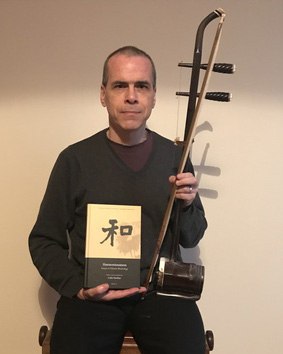
Colin Huehns
Music researcher and author
Colin Huehns is the author of Music of Northern Pakistan (1991), a landmark dissertation documenting the musical traditions of northern Pakistan. His research provides an important historical and ethnomusicological record of the region’s musical practices. The digitisation of his dissertation offers renewed opportunities to engage with this foundational work and the musical knowledge it documents.
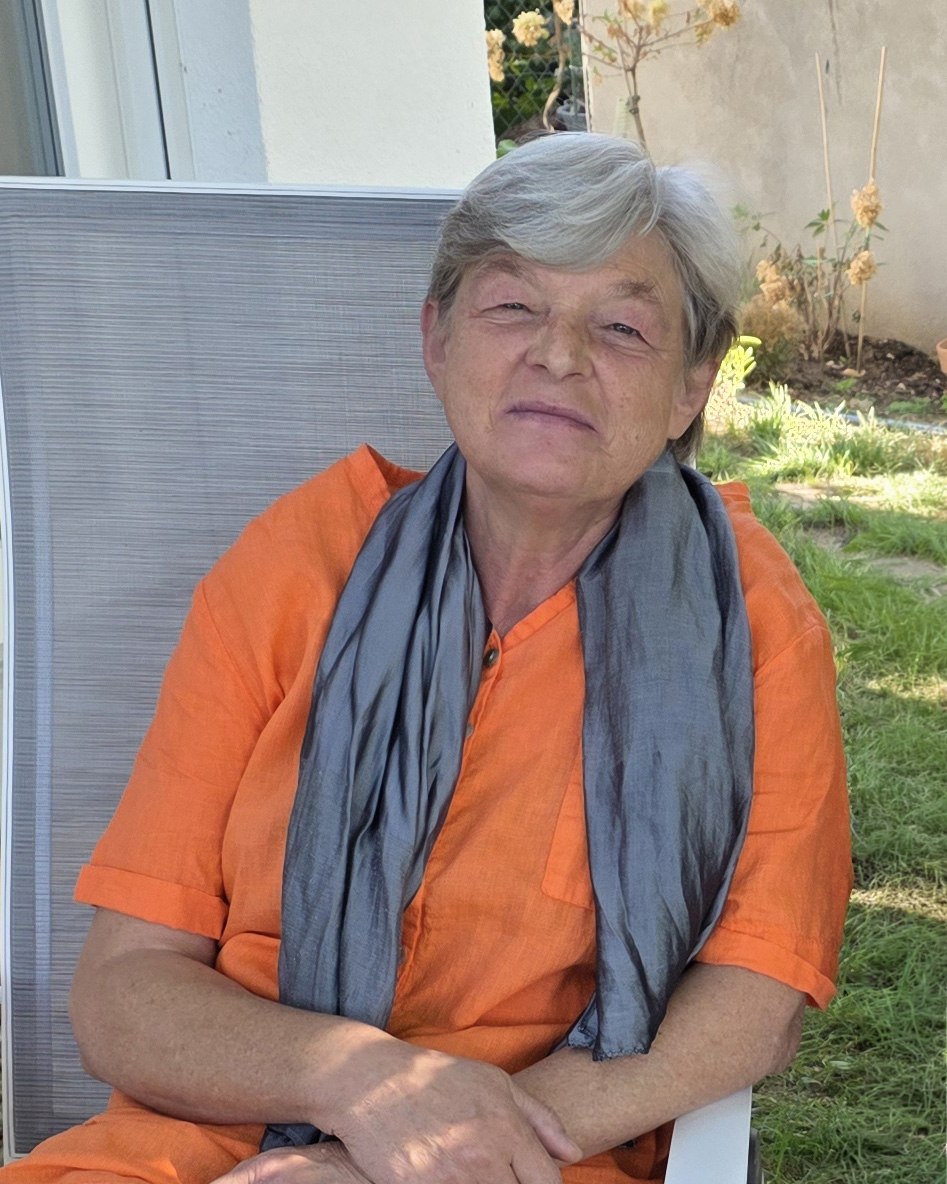
Anna Schmid
Ethnographer and author
Anna Schmid conducted an ethnographic study of the Bericho musician community in 1988, producing one of the most substantial accounts of the community and its musical traditions. Her book Die Dom zwischen sozialer Ohnmacht und kultureller Macht: Interethnische Beziehungen in Nordpakistan (The Dom between social powerlessness and cultural power: Interethnic relations in Northern Pakistan) provides an important perspective on the social and cultural contexts in which Bericho musicians have sustained Hareep. In conversation with the practitioners, she will reflect on her observations and study of the community and the changes that have shaped its musical life.
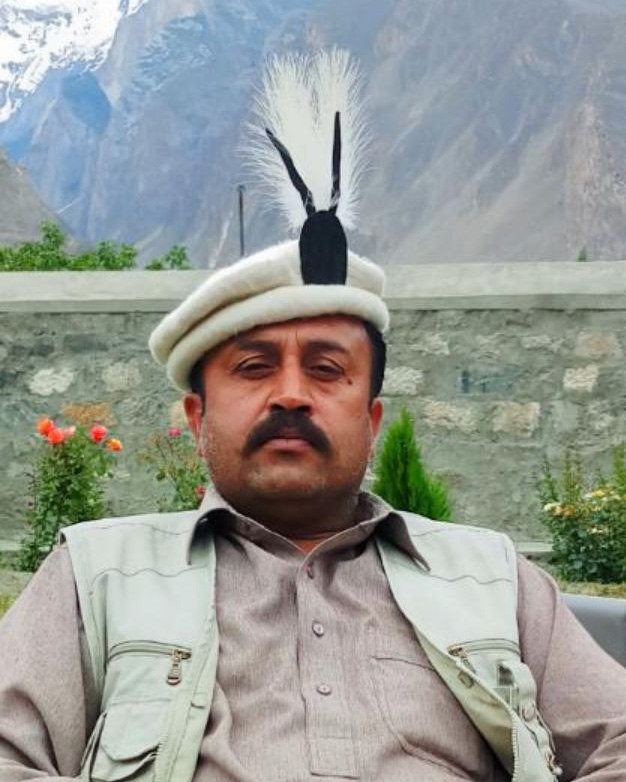
Ustad Shams Uddin
Hareep Musician
Shams Uddin (stage name Shamsulo) belongs to a lineage of hereditary suranai players within the Bericho community, where musical knowledge has been sustained across generations. Widely regarded as one of the region’s finest suranai and tutek players, he carries forward an extensive body of inherited musical knowledge and performance practice.
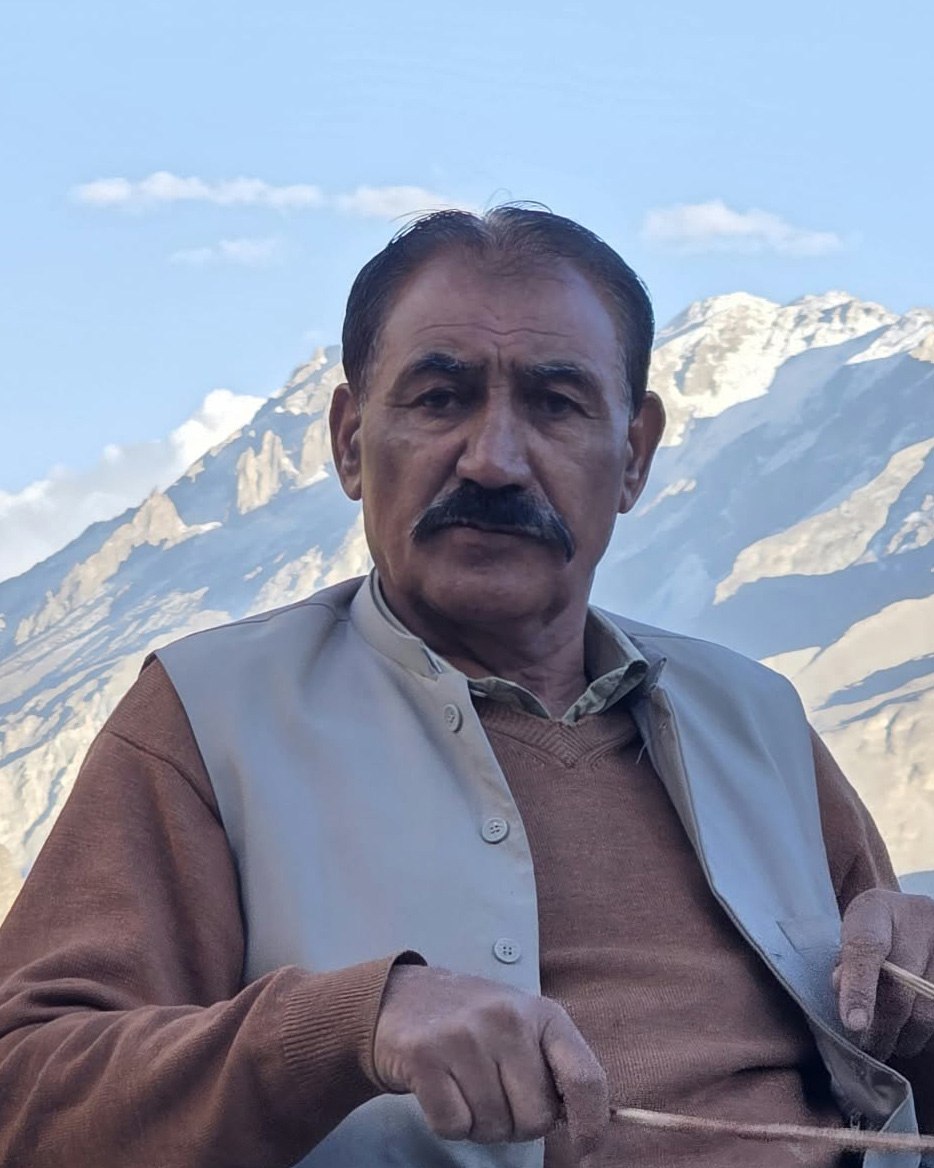
Ustad Baso
Hareep Musician
Baz (stage name Baso) belongs to a lineage of hereditary dadang players within the Bericho community. He learned the craft from his father, Rajab Ali, a renowned musician and composer remembered for creating numerous Hareep melodies. Through his performance, Baz continues a family legacy that forms part of the wider musical heritage of Hunza.
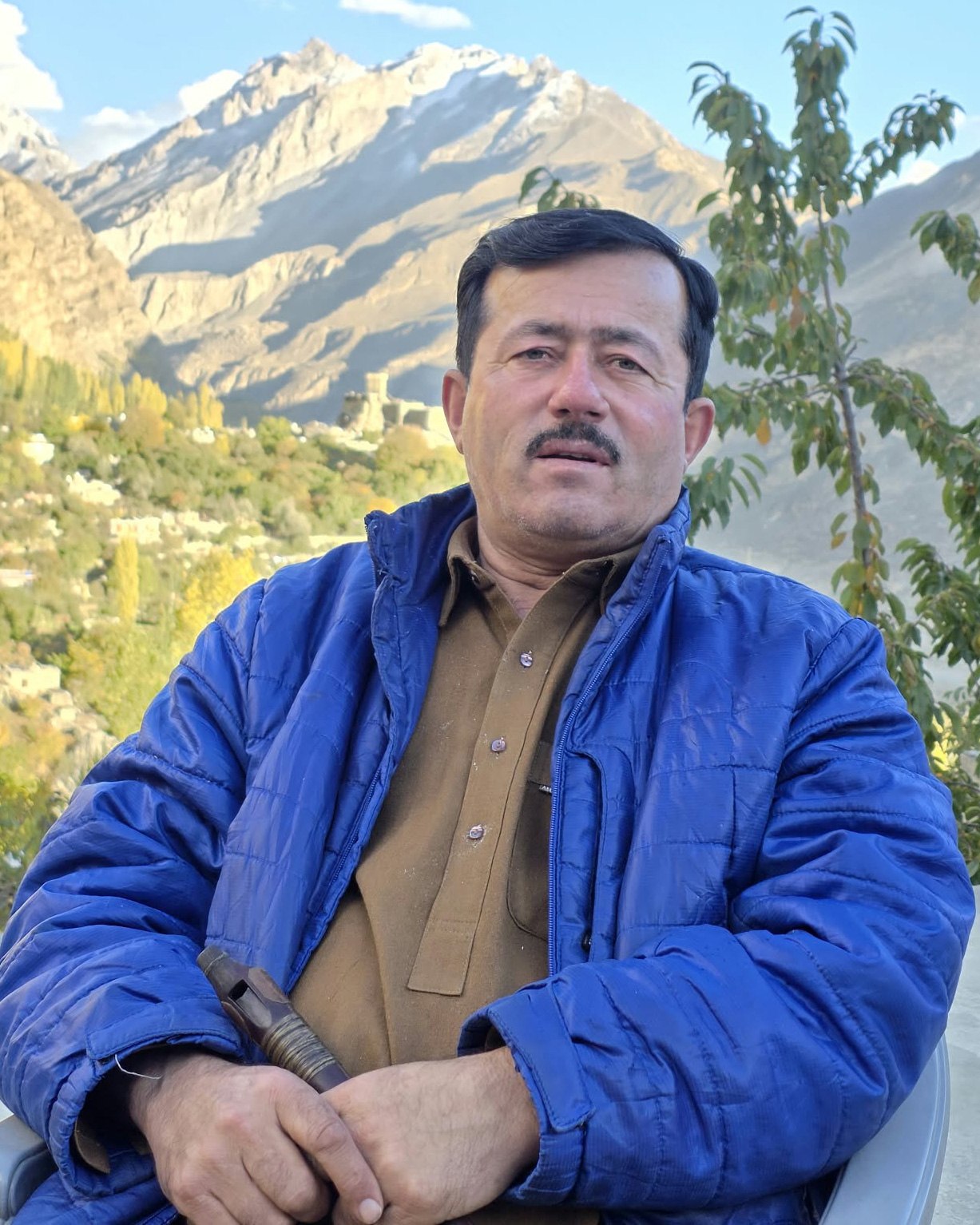
Ustad Abdul Karim
Hareep Musician
Abdul Karim is widely regarded as the first member of the Burusho community to formally apprentice under a Bericho musician in the art of suranai and tutek playing. His decision to pursue a musical practice historically associated with the Bericho challenged longstanding social taboos and exposed him to discrimination. Despite these challenges, he has become one of Hunza’s most accomplished performers and an important repository of the oral histories, narratives, and contextual knowledge embedded in Hareep melodies.
Moderator

Saad Barcha
GPISH 2025
Saad Barcha is a PhD candidate in Music at the University of Oxford and a Farhad Daftary Doctoral Scholar. His research focuses on the musical traditions of Gilgit-Baltistan and Chitral, with particular attention to Hareep, its practitioners, and the oral processes through which musical knowledge is transmitted. His work seeks to document and preserve this repertoire while examining the social histories and cultural contexts that have shaped its development.