Contemporary Voices: Africa Samachaar
Voice of the Indo-African Diaspora in Colonial Africa
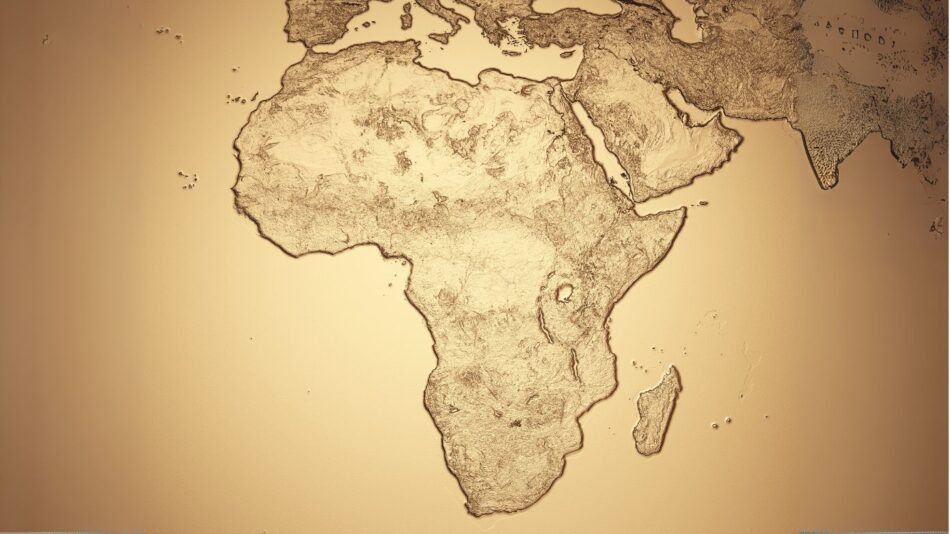
The Indians of Africa have a connection with the continent of Africa that goes back over a thousand years. Yet the majority of them came to Africa as indentured labourers on the back of the so-called “end” of the slave trade by the leading Western colonial powers in the mid- to late 19th century. Indian immigrants worked hard, contributed to the subsistence economy and helped transform the rural areas of Africa going on to becoming leading entrepreneurs, financiers, industrialists, and professionals.
In this discussion, we gain an insight into how their social, political, cultural and economic activities were covered in the 20th century. Examined through narratives of the members of the family that established the periodical Africa Samachaar, which became the voice of a voiceless minority in Africa during the colonial days, this is a heroic story that still remains untold.
Speakers
Dr Mohamed Keshavjee
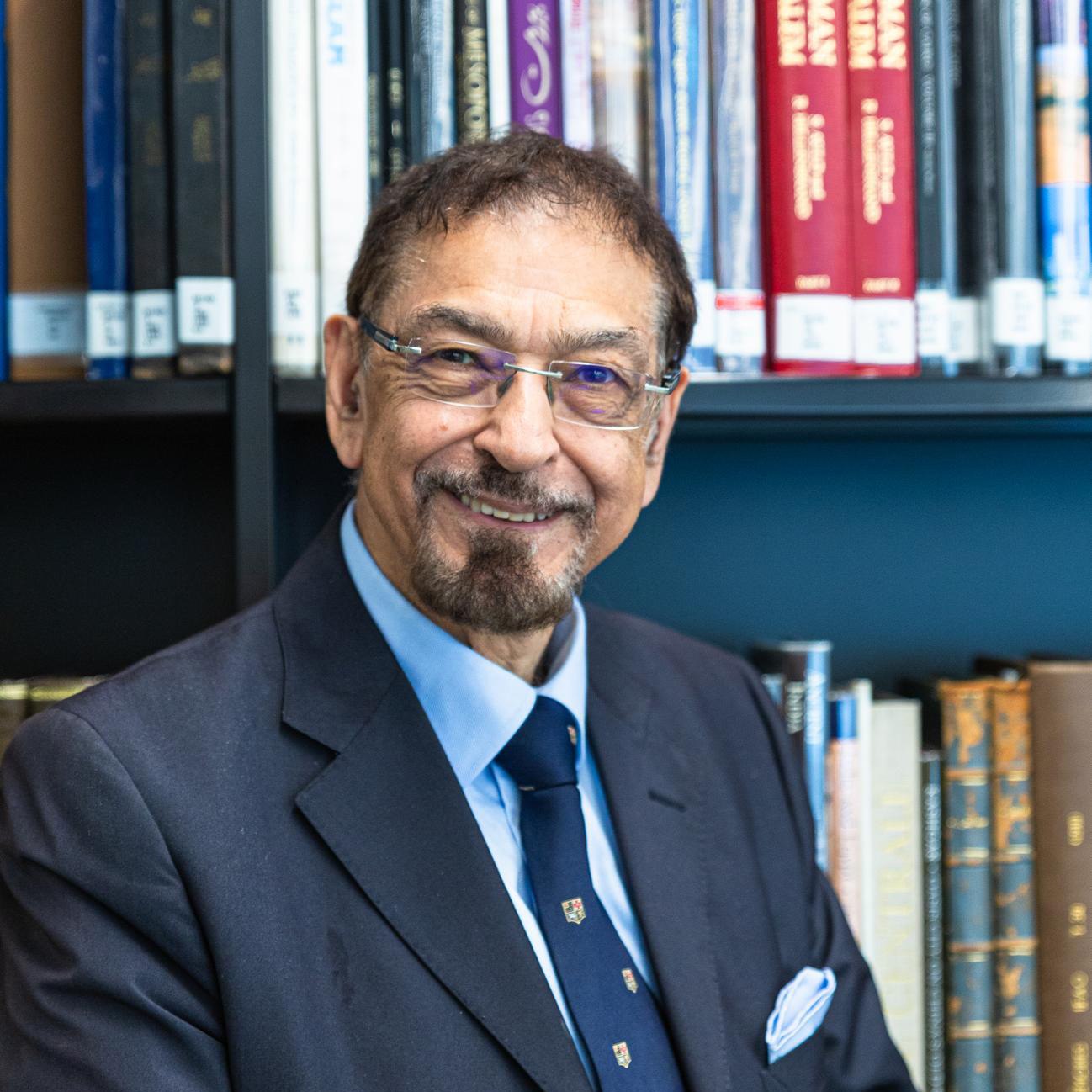
Mohamed M. Keshavjee is a South African born-lawyer called to the Bar at Gray’s Inn in 1969. He completed his LLM at London University and his PhD at SOAS with a focus on Islamic Law and Alternative Dispute Resolution (ADR). He has practised law in Kenya, Canada and the United Kingdom.
His first book, Islam, Sharia and Alternative Dispute Resolution deals with how Muslims engage with sharia, customary practices and the laws of the United Kingdom. He has spoken on ADR at conferences in Europe, North America and Asia, and has trained family mediators in the EU countries and imams and pastors in mosque and church conflicts in the UK and the USA, respectively.
In 2016, he was awarded the Gandhi, King, Ikeda Peace Award by the Martin Luther King Jr. International Chapel at Morehouse College, Atlanta, Georgia, for his work on peace and human rights education.

Janardhan Bhatt
Mr Janardhan Bhatt was born in Nairobi, Kenya, into an entrepreneurial family engaged in finance, property, publishing, and horticultural exports. He was educated at the Duke of Gloucester School in Nairobi and completed his A-Levels at Westminster College and the Regent Street Polytechnic in London.
In 1964, Mr Bhatt returned to Kenya to manage the family publishing business, Africa Samachaar, following his father’s sudden illness. As the eldest son, he revitalised the company, giving it new impetus and direction. He led Africa Samachaar from 1964 until 1975, when he emigrated to the United Kingdom.
In England, Mr Bhatt broadened his professional pursuits, providing consultancy in finance, property, and management to private and corporate clients. Over the next four decades, he established and managed ventures in health foods, fashion, and jewellery, and now serves as a Strategic Advisor working in close collaboration with FSA-approved financial advisors.
Shuchi Bhatt
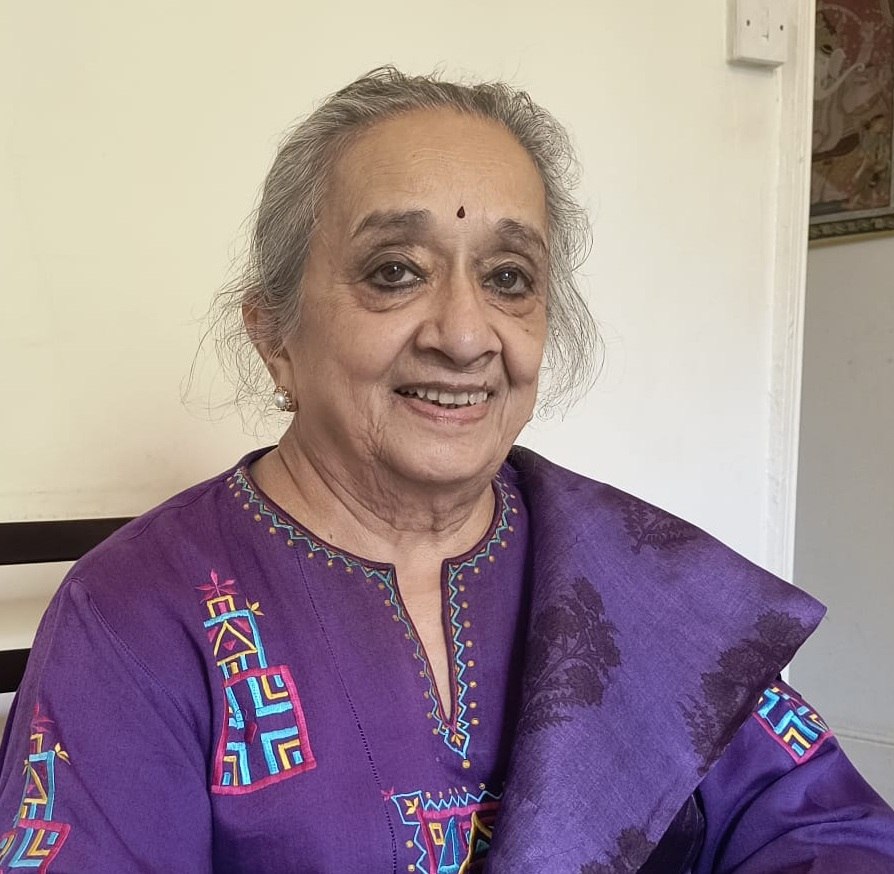
Mrs Shuchi Bhatt holds a BA in Sociology and Political Science and an MA in Social Work. She moved to Nairobi from India in 1967, where she volunteered with a women’s welfare charity alongside Mrs Pamela Mboya, a leading Kenyan civic personality. Mrs Bhatt taught at Hospital Hill Primary School.
After emigrating to the United Kingdom in 1975, Mrs Bhatt worked in Social Services for London local authorities for over two decades. In 1993, she was seconded by the London Borough of Hillingdon to complete a Public Sector MBA at the University of Birmingham. She later joined the NSPCC (2001–2008) and served for eight years as a Trustee of the National Children’s Home, now Action for Children. She has also supported family members affected by dementia and undertaken NHS training for carers.