This event will be held at the Aga KhanA title granted by the Shah of Persia to the then Ismaili Imam in 1818 and inherited by each of his successors to the Imamate. Centre between 1700-1830 GMT.
The Institute of Ismaili Studies (IIS) invites you to a public lecture by Dr Ali Aghaei (Humboldt University of Berlin) and Benjamin Kamine (Jewish Theological Seminary of America), moderated by Dr Karen Bauer (IIS).
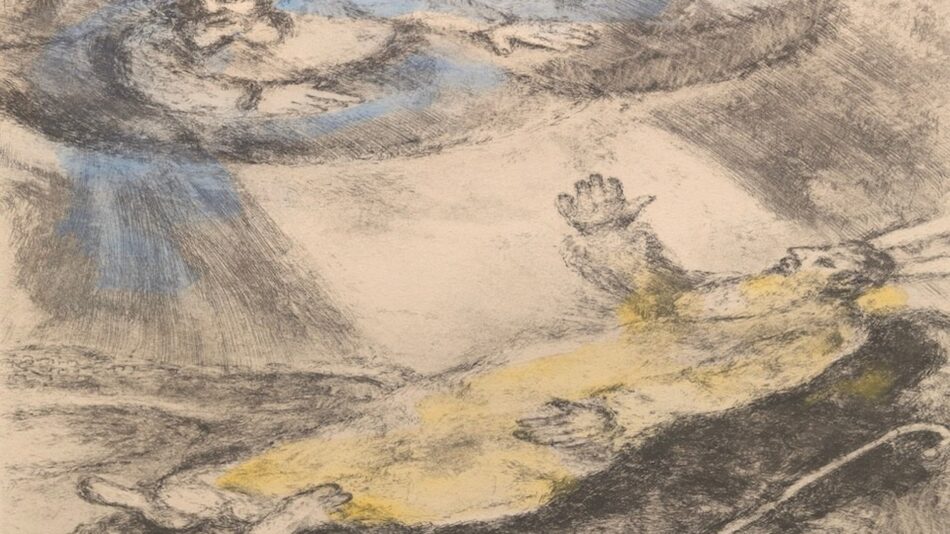
The lecture examines how Jewish and Muslim traditions developed parallel yet distinct narratives on the death of Moses. Focusing on Rabbinic, Shiʿi, and Sunni textual corpora, the speakers will explore how different modes of inter-religious knowledge production shaped these traditions across time.
Abstract
This lecture investigates traditions concerning the death of Moses across Rabbinic, Shiʿi, and Sunni literatures. Through a close analysis of shared narratological motifs, the speakers will demonstrate how classical Rabbinic and Shiʿi materials exhibit significant commonalities, while Sunni accounts align more closely with post-Qurʾanic developments in the Rabbinic tradition.
By examining these patterns, the lecture proposes new ways of assessing the intellectual value of Rabbinic–Shiʿi encounters within the wider landscape of Jewish–Muslim knowledge production. The discussion aims to deepen understanding of the cultural and theological processes that emerged from these sustained interactions.
Dr Ali Aghaei
Research Associate
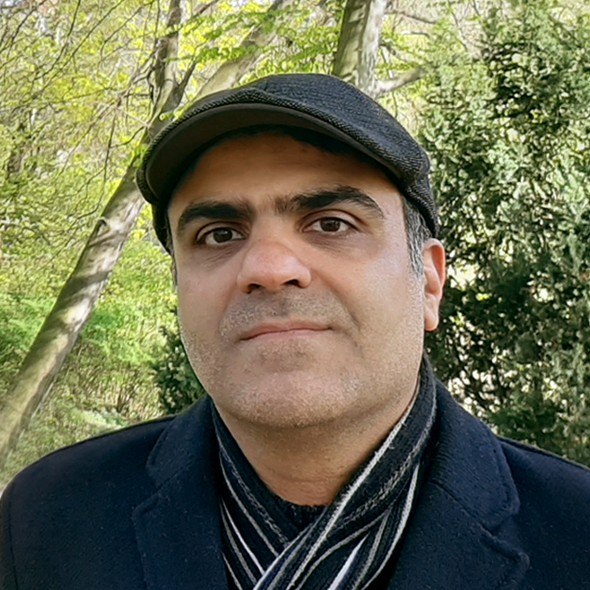
Dr Ali Aghaei is a Research Associate at the Institute of Islamic Theology, Humboldt University of Berlin. He received his MA in Qurʾān and Ḥadīth Studies from Usūl ad-Dīn College, Qom, and his PhD from Islamic Azad University, Tehran. His research focuses on Qurʾānic manuscripts, ḥadīthLit. ‘report’ or ‘narrative,’ used for the traditions of the Prophet Muhammad and in Shi‘i Islam also for those of the Imams. studies, and digital approaches to Islamic tradition. He has held research positions in major international projects including Corpus Coranicum, Paleocoran, and Irankoran. Since May 2024, he has worked on prophetic traditions in digital environments as part of the project Islam and Digitality: Mediality, Materiality, Hermeneutics.
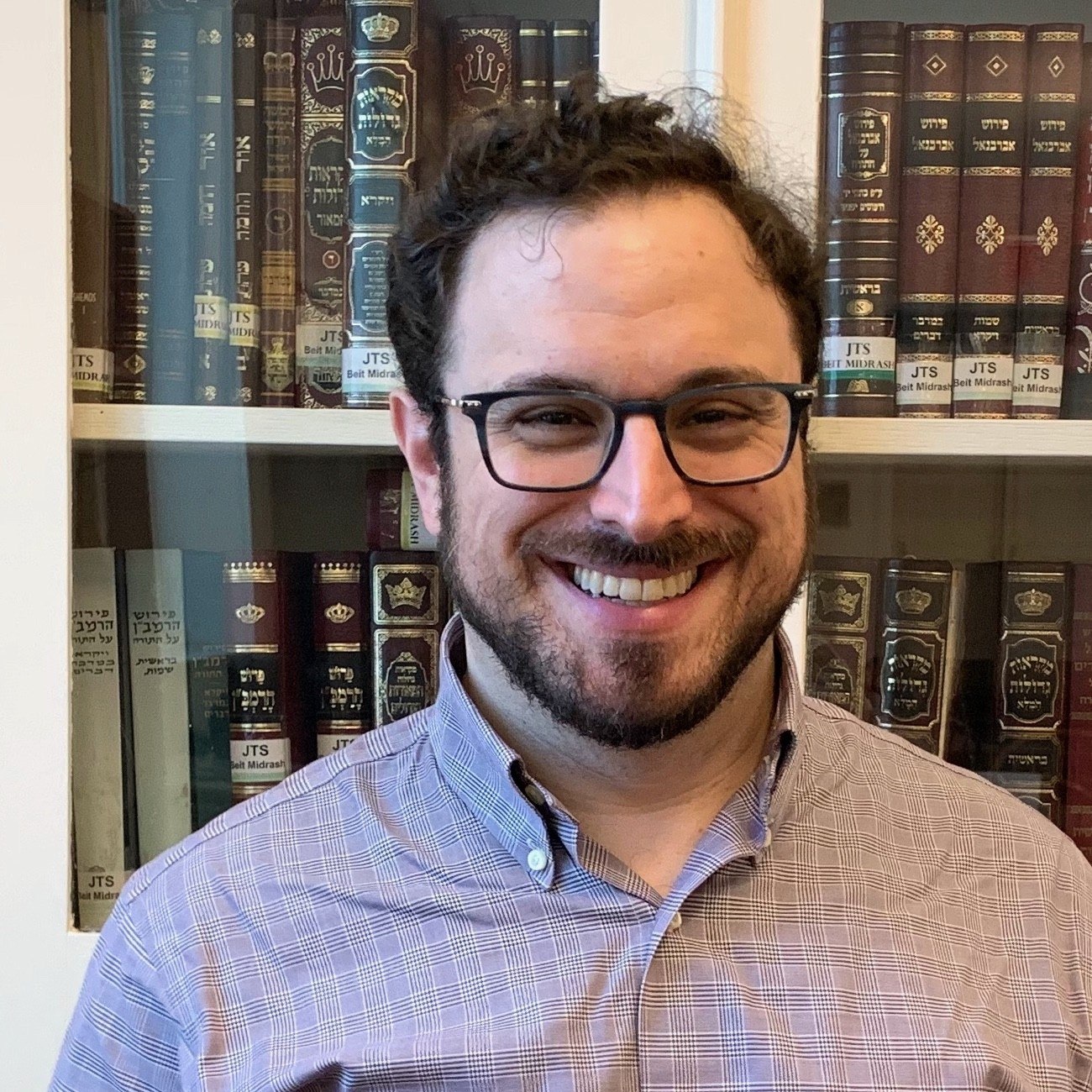
Benjamin Kamine
Lecturer
Benjamin Kamine holds a joint appointment as Lecturer in Rabbinic Literatures and Cultures at the Jewish Theological Seminary and Assistant Teaching Faculty in Interreligious Engagement at Union Theological Seminary. He also serves as Associate Director of the Milstein Center for Interreligious Dialogue and as Special Advisor in the Office of the President at Columbia University. A PhD candidate in Midrash, his work focuses on early Rabbinic literature and interreligious dialogue. His recent publications address Rabbinic tradition, crisis dialogue methodologies, and Jewish–Christian–Muslim engagement.
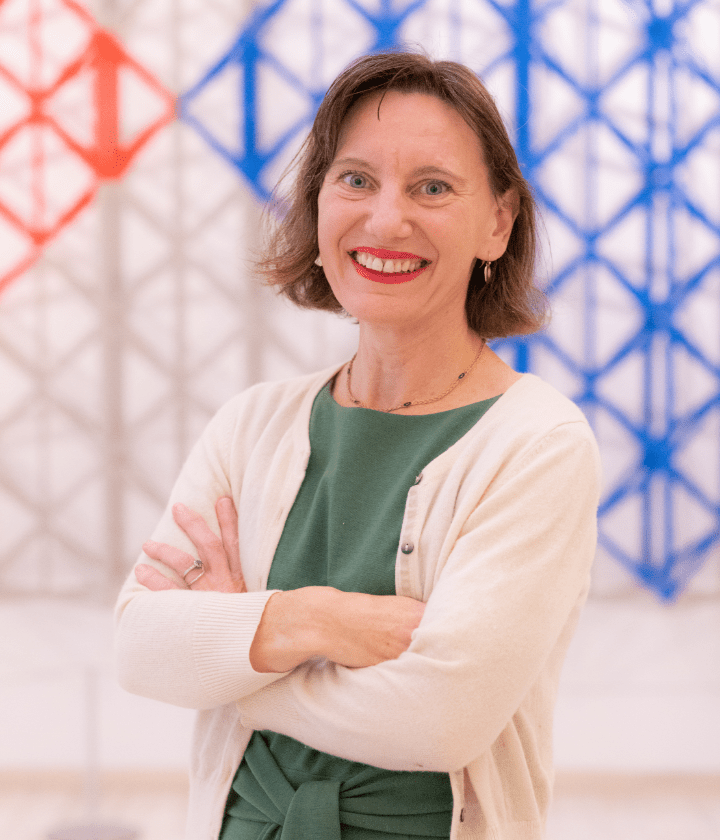
Dr Karen Bauer
Associate Professor
Dr Karen Bauer (PhD, Princeton) is an Associate Professor in the Qur’anic Studies Unit at the IIS. Dr Bauer’s research centres on the Qur’an and its reception history, the history of emotions in Islam, and gender in Islamic history and thought. Dr Bauer’s publications include Women, Households, and the Hereafter in the Qur’an: a Patronage of Piety (2023, with Feras Hamza), An Anthology of Qur’anic Commentaries, Vol II: On Women (2021, with Feras Hamza), Gender Hierarchy in the Qur’an: Medieval Interpretations, Modern Responses (2015), Aims, Methods, and Contexts of Qur’anic Exegesis (2013), and numerous articles.