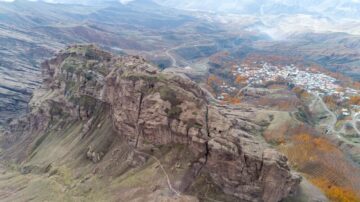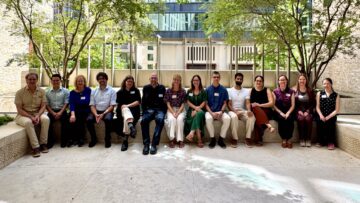

The Institute of Ismaili Studies (IIS) hosted a conference entitled, Elemental: Ismaili Perspectives on Earth, Water, Air, Fire and Ether on 26–27 March 2026 at the Aga KhanA title granted by the Shah of Persia to the then Ismaili Imam in 1818 and inherited by each of his successors to the Imamate. Centre, London, which was also webcast online. The two-day conference brought together scholars and practitioners from around the world to explore perspectives from Ismaili intellectual and cultural traditions on earth, water, air, fire and ether. It examined how these traditions engage with environmental thought, ethical responsibility and contemporary climate challenges.
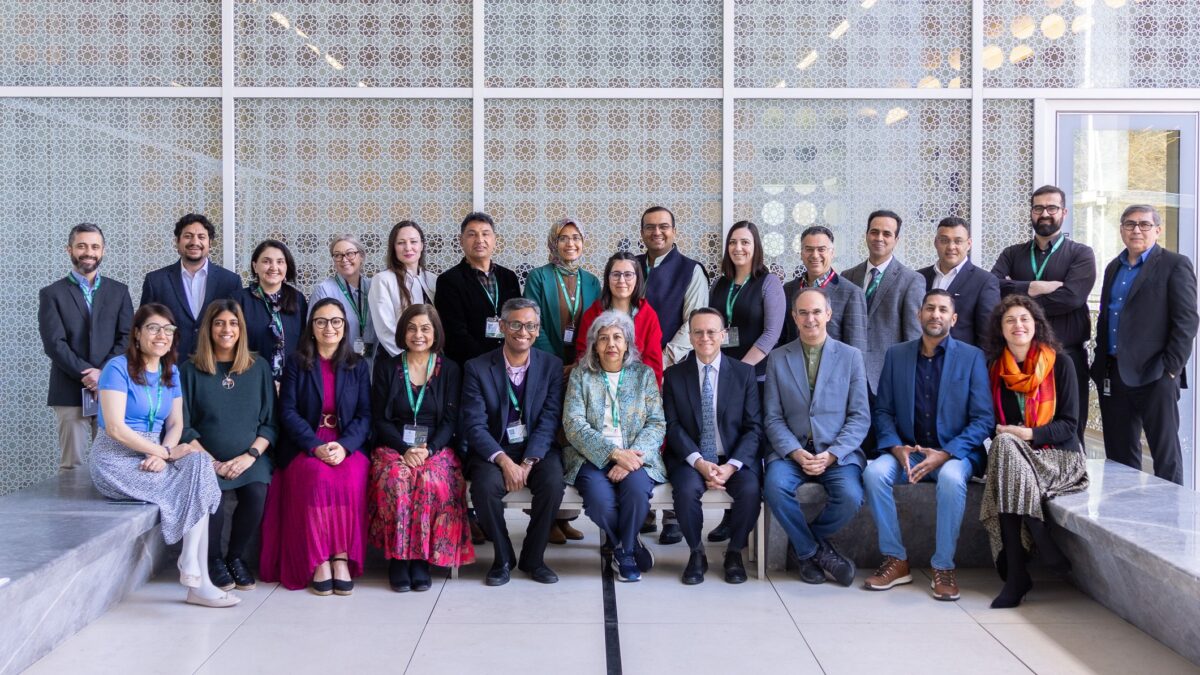
Reframing faith and the environment
The conference centred on the elements as both a cosmological framework and a way to understand the relationship between human beings and the natural world.
Across panels and discussions, participants examined philosophical, literary and artistic expressions alongside lived experiences from diverse historical and contemporary contexts. These discussions addressed a gap in scholarship at the intersection of religious cosmology and material existence. They also engaged with current debates on environmental degradation and climate change.
Over the two days, contributors from different disciplines examined how elemental concepts have been expressed across cultures and how they continue to shape ethical and spiritual understandings of the environment. Discussions also considered how these traditions can inform present-day approaches to sustainability, stewardship and ecological responsibility.
Panels on environment, ethics and lived experiences
The programme included thematic panels and keynote addresses that reflected current scholarship in Ismaili studies and related fields.
The opening panel on nature, elements and contemporary challenges examined environmental memory, moral economies and local ecological practices. Papers explored Salamiyyan literary responses to drought and flood, changing relationships to water in Hunza, and concepts of land and stewardship in Ismaili communities in Chitral. These contributions showed how environmental knowledge is embedded in narrative, ritual and everyday life.
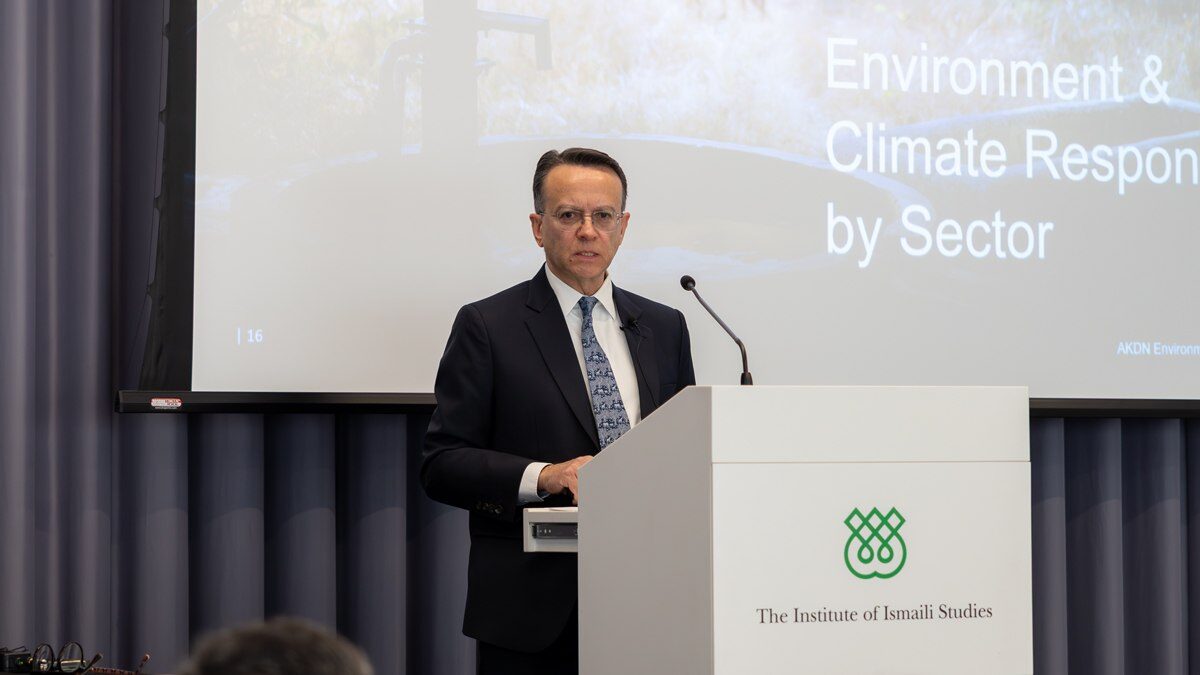
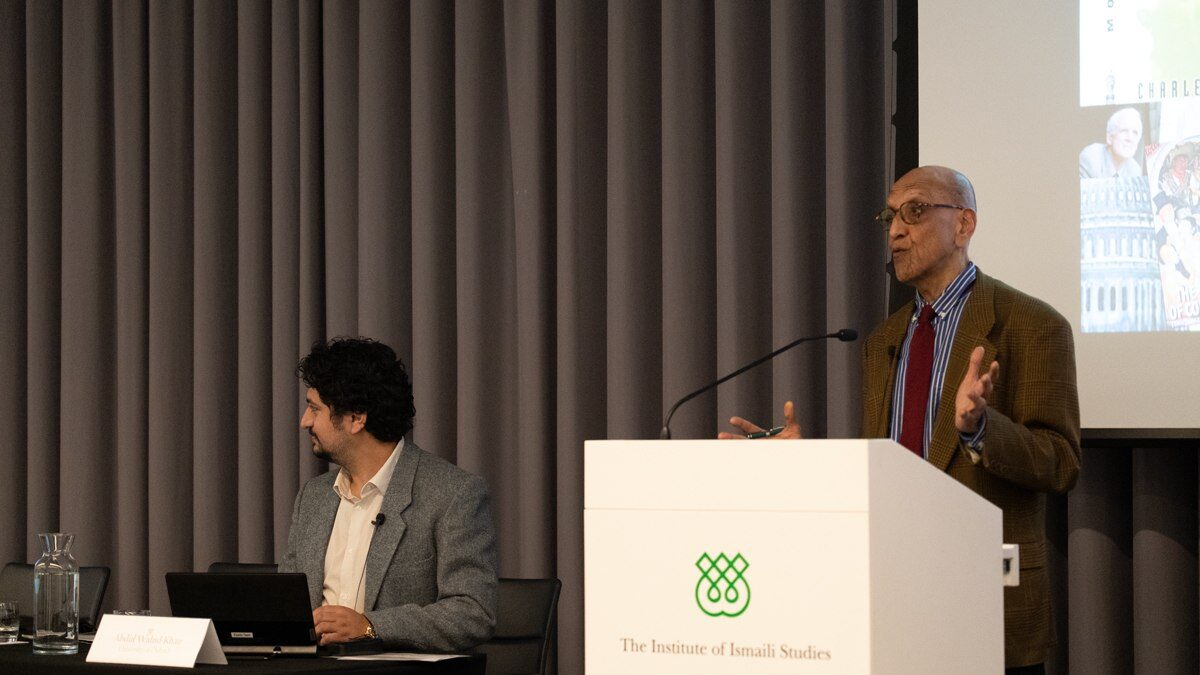
The first keynote address by Dr Paul Dhalla of Aga Khan Development Network (AKDNThe Aga Khan Development Network (AKDN) is a contemporary endeavour of the Ismaili Imamat to realise the ethics and social conscience of Islam through institutional action. More) addressed global environmental and climate challenges within broader frameworks of sustainable development and ethical responsibility. As Dr Dhalla noted:
We are living in what some scientists call the human epoch, in which human activities such as industrialisation, large-scale agriculture and resource extraction have become the dominant influence on the Earth’s atmosphere and ecosystems.
Subsequent panels focused on water, supplication and governance, drawing on devotional texts and historical sources. Papers examined the symbolic and ethical dimensions of rainfall in early Shiʿi traditions, the role of water in prayer literature such as al-Ṣaḥīfa al-Sajjādiyya, and environmental engagement during the Fatimid period. These discussions showed how water functions as both a material necessity and a spiritual category in Islamic thought.
Further sessions on soil and water, past and present, explored ecological knowledge across literary, legal and oral traditions. Contributions included studies of sacred ecology in Ismaili jurisprudence, environmental themes in Burushaski oral poetry, and resource management practices in medieval Ismaili fortresses.
Together, these papers highlighted the relationship between environment, culture and belief. They showed how communities have adapted to changing conditions.
Intellectual traditions across cultures and contexts
The second day extended these discussions through panels on Ismaili thought across cultures and Fatimid intellectual traditions. Papers examined elemental concepts in the ginānA Sanskrit word meaning knowledge. In particular, a poetic composition in an Indian language More literature, the cosmological role of ether in Islamic philosophy, and interpretations of natural elements in the works of Nāṣir-i Khusraw and other thinkers.
These sessions highlighted the continued relevance of classical intellectual traditions in shaping a contemporary understanding of the natural world.
The final panel focused on adaptation, stewardship and community. Presentations explored the relationship between environmental change and Ismaili demographics, the integration of ecological knowledge into religious education in Gilgit-Baltistan, and environmental narratives across Ismaili history.
The closing keynote, delivered by Dr Amyn Sajoo of Simon Fraser University, Canada, explored the relationship between ecological aesthetics and lived ethics. In his lecture, Ecological Aesthetics to Lived Ethics: Ismaili Pathways, he reflected on how ethical reasoning, cultural expression and community engagement shape responses to environmental challenges. Dr Sajoo noted:
…the ethical social imaginary needs to use the law only as a last resort to support ethical persuasion. And that’s why aesthetics – the use of poetry, the use of music and culture and art and so on – is so important.
Artistic expression and public engagement
The conference also included artistic and public engagement.
Two installations at the Aga Khan Centre invited reflection on the elements through visual and material forms. “Amanah”, a sculptural installation by Shafina Jaffer, a noted Tanzanian artist, explored spirituality, ecology and human responsibility within creation. A photography display curated by Russell Harris highlighted the role of water in Fatimid environments and contemporary urban spaces, linking historical insight with present-day concerns.
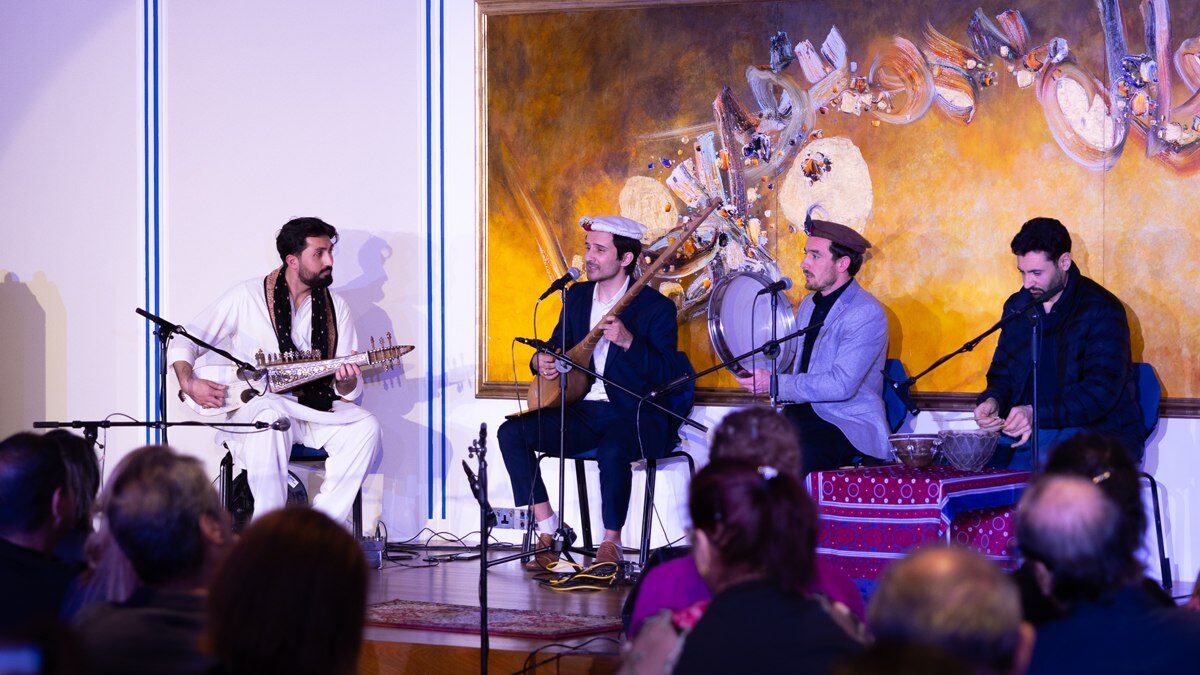
An accompanying concert held at the Ismaili Centre London, entitled “Elemental: Music, Dance and Reflection”, was streamed live on Ismaili TV on 25 March 2026. The performance brought together musical traditions from across the Muslim world. It offered a creative interpretation of the conference themes and complemented the academic discussions.
The “Elemental” conference revealed the relevance of Ismaili intellectual perspectives for tackling contemporary environmental challenges. By bringing together scholarship, artistic practice and lived experience, it created a platform for an ongoing dialogue on the ethical and spiritual dimensions of the natural world and the relations and responsibilities that arise from it.