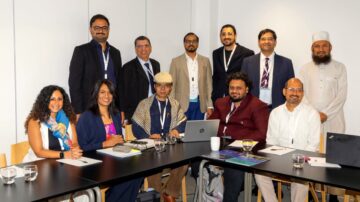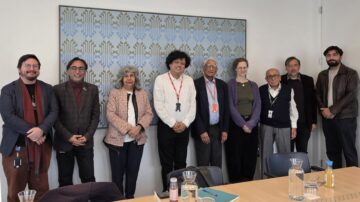
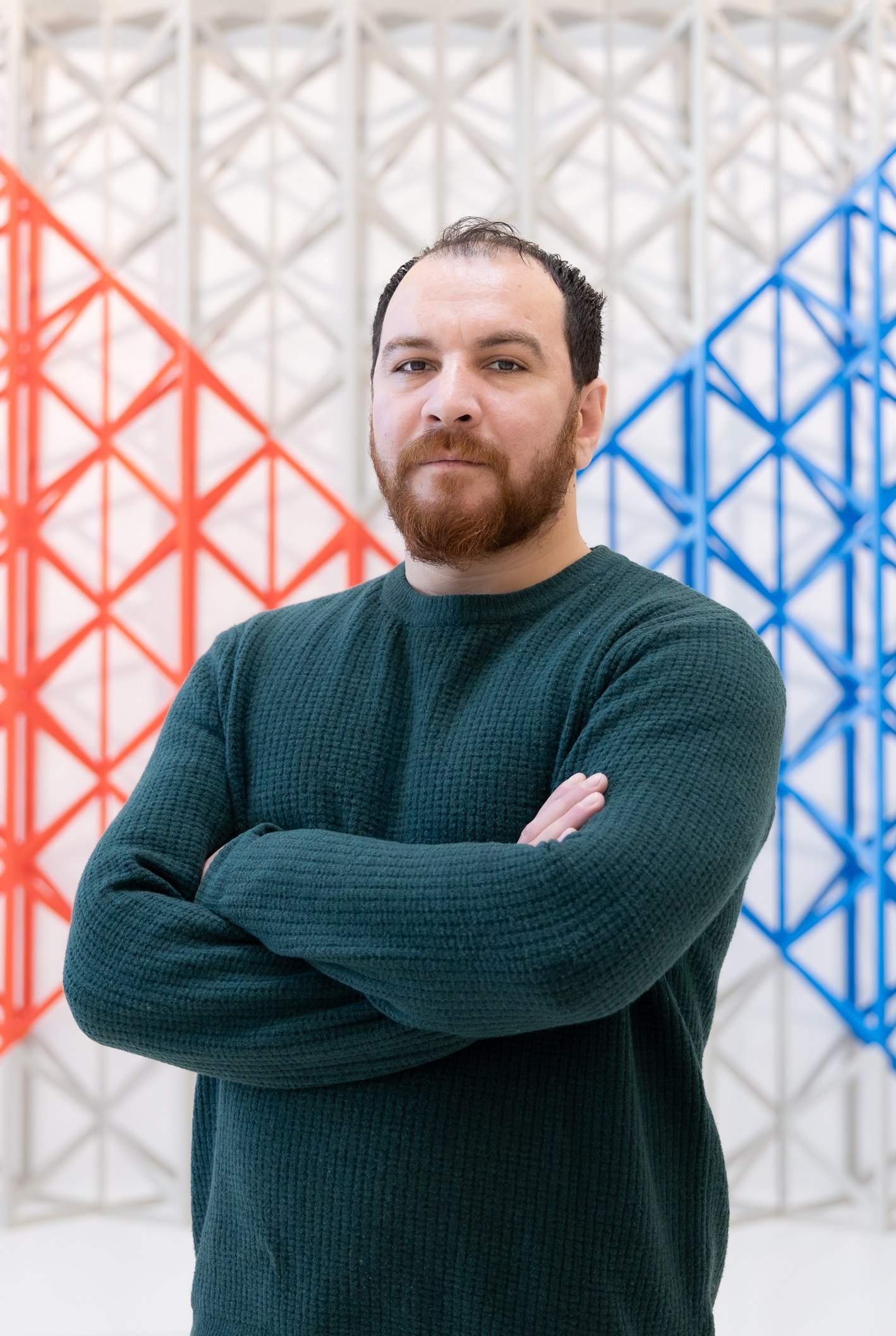
The Secondary Teacher Education Programme (STEP) at The Institute of Ismaili Studies (IIS) prepares Ismaili educators to serve their communities through rigorous academic training and sustained professional development. The Master’s-level teacher preparation is delivered through a collaboration between The Institute of Ismaili Studies, Institute of Education (IOE) at University College London (UCL), and School of Oriental and African Studies (SOAS), University of London.
Combining graduate-level study in Islamic education and pedagogy with a Field Teaching Practice (FTP) component, STEP equips participants to bring principled, reflective, and inclusive teaching to religious education settings around the world. As second-year STEP students begin their Field Teaching Practice placements in their respective countries, their experiences offer insight into the programme’s impact in practice. Five participants reflect on what it means to carry their learning from London into their local contexts, and how this transition shapes their approach to teaching.
A global cohort, rooted in local purpose
A defining feature of STEP is the diversity of its student body. The current cohort includes educators from Syria, India, Pakistan, and beyond, each bringing their own linguistic, cultural, and pedagogical contexts to the shared learning environment at IIS, SOAS and UCL. This diversity is not only illustrative; it plays an active role in shaping how students understand teaching and learning.
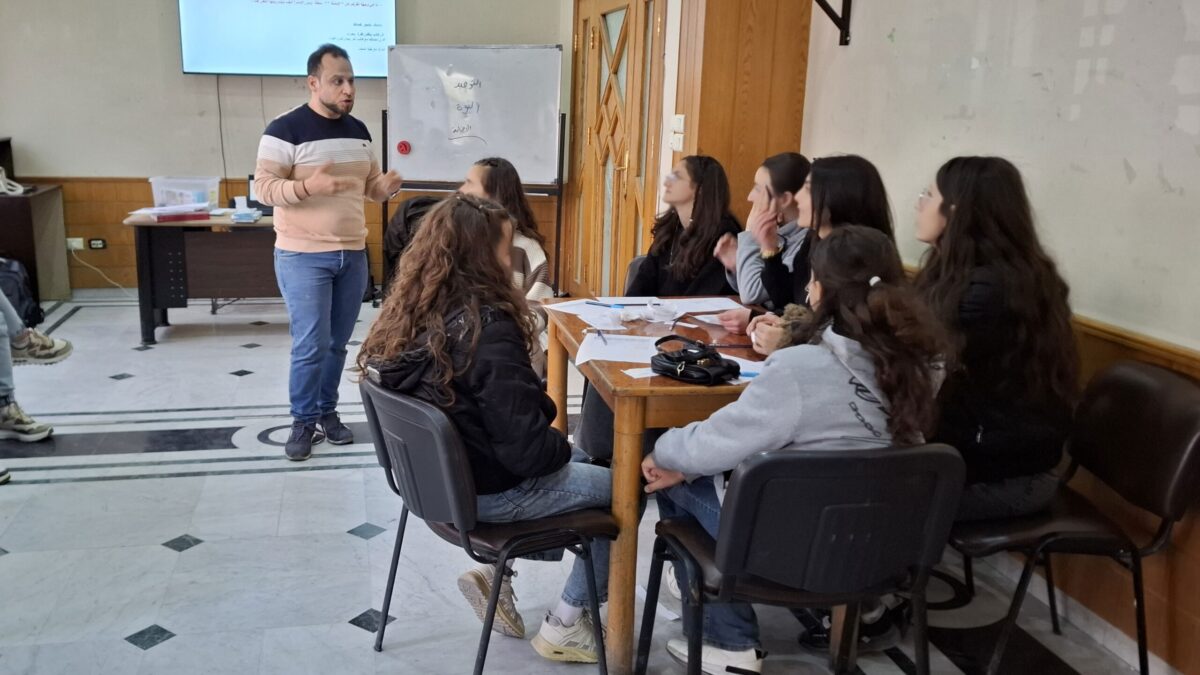
For many, the journey begins with a shift in perspective that extends well beyond the classroom. Abdo Alarnaji, from Salamieh, Syria, who is completing his Field Teaching Practice in Damascus, reflects on the experience of encountering diversity as a lived reality rather than an abstract concept:
The STEP programme creates an inclusive learning environment that reflects the richness of the global Ismaili community.
Through classes, discussions, social and cultural gatherings, and shared institutional spaces, I was able to express my own identity while engaging with other students from diverse cultural backgrounds. This encounter with difference across programme streams, national backgrounds, and lived experiences becomes a form of pedagogical preparation in itself. At Victoria Hall, where STEP, GPISH, and ISMC students live, daily interactions across cultures foster, in Alarnaji’s words, “a strong sense of mutual respect and empathy”. This experience, he notes, directly influenced his approach to classroom design during Field Teaching Practice.
Theory into practice: what the classroom teaches
The transition from the academic environment of IIS and UCL to the field requires a process of interpretation and adaptation, as frameworks developed in one context are rethought in another.
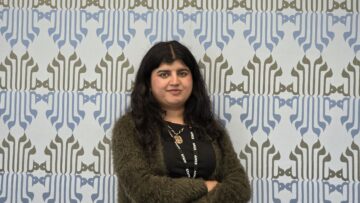
Natasha Ali, from Oshikhandass who is serving in ITREB – Gilgit, Pakistan, brings a multilingual identity shaped by Burushaski, Shina, Urdu, and English to her Field Teaching Practice classroom. Her experience of navigating between languages as a learner becomes a foundation for her teaching:
Teaching and learning unfolded somewhere in between, never fixed, always negotiated. This made me reflect deeply on what it truly means to ‘understand’ in a multilingual classroom.
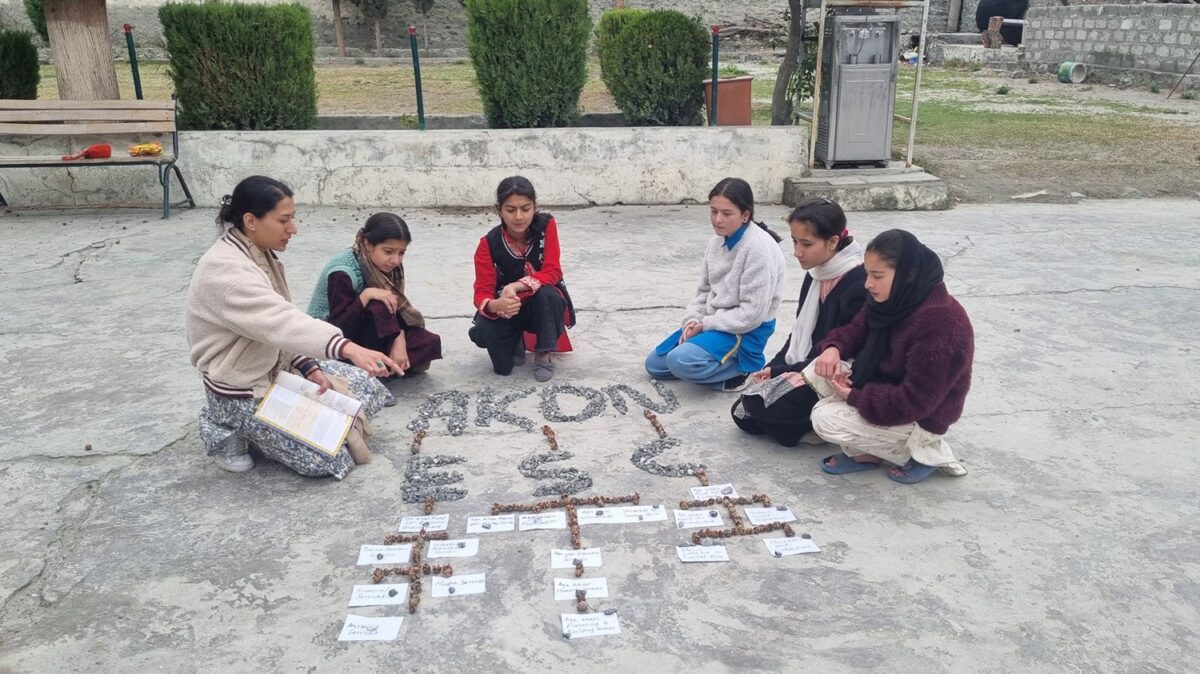
Drawing on Assessment for Learning strategies introduced through the programme, she begins her lessons with recall-based activities that allow students to access prior knowledge in accessible ways. She focuses not only on correct answers but on the depth and quality of understanding behind them. Over time, as she reflects, language became less of a barrier and more of a bridge within the classroom.
Inara Talat, completing her Field Teaching Practice in Karachi under the Southern Pakistan (Karachi) ITREB jurisdiction, describes the intellectual architecture of STEP in terms that highlight its dual focus on content and method:
IIS gave me the what, the ability to probe, rethink, and unlearn to re-learn critically, while UCL gave me the how, the courage to walk into a classroom, experiment, and make the most of every experience.
Together, they gave me something I didn’t know I needed: a framework for becoming, not just a set of skills to perform.
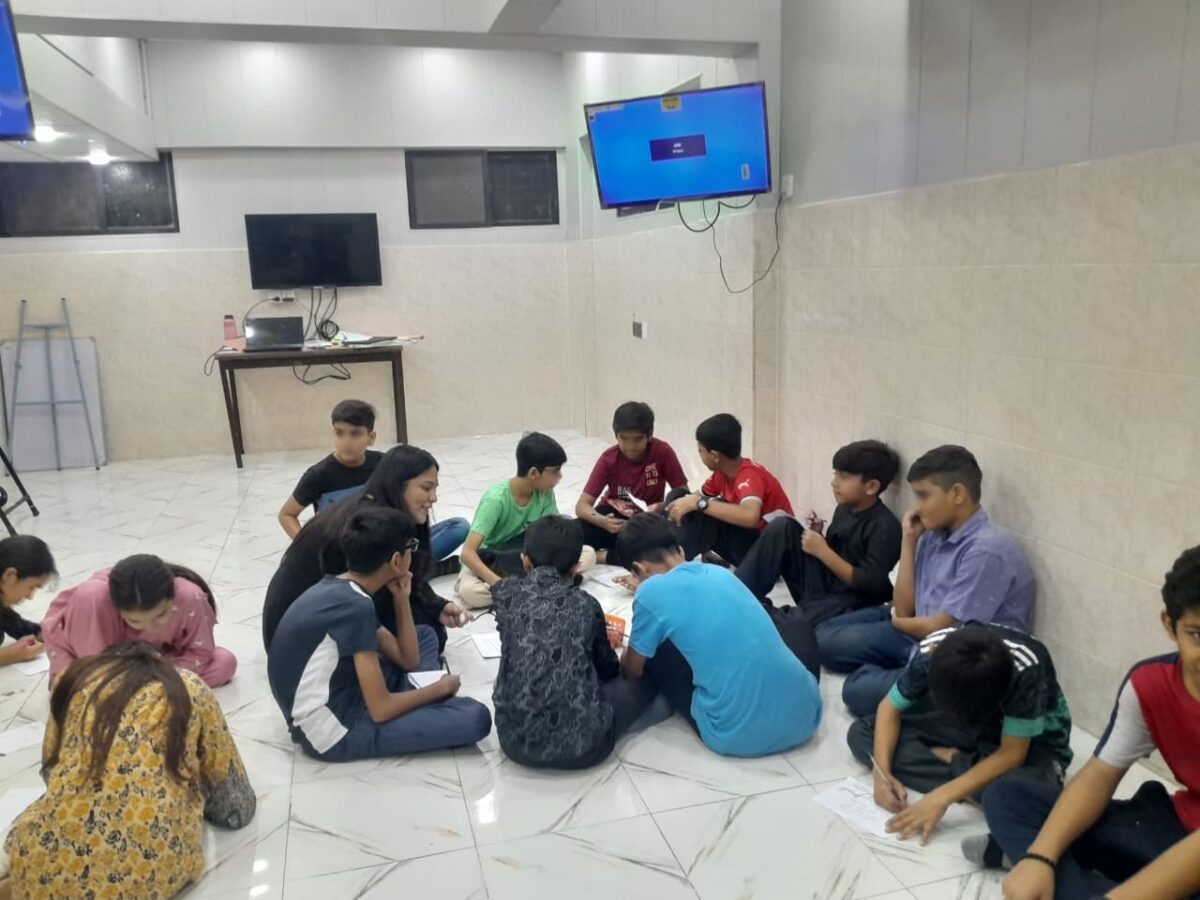
For Talat, whose current Leading Learning in Ismaili Context (LLIC) inquiry focuses on critical thinking, the classroom becomes “a blank space to experiment with new colours, fail and paint again.” The Field Teaching Practice confirms that some forms of learning can only be developed through lived experience.
Carrying responsibility: community expectations and educator identity
STEP graduates return to their communities with more than a qualification. In many contexts, they are recognised as professionals trained by a London institution, and with that recognition comes expectation.
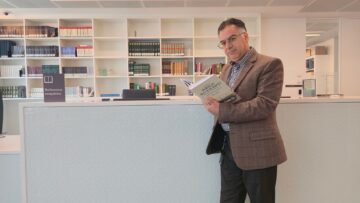
Daniyal Wali, undertaking his Field Teaching Practice in Seen Lasht, Lower Chitral, Pakistan, began his placement at the same religious education centre where he once studied:
From students to ITREB members, people look at STEP-trained teachers, who are trained in London, as role models and experts in the field.
Thankfully, the rigorous academic and pedagogical preparation at IIS and UCL has equipped us to rise to this responsibility and contribute meaningfully to the growth of our community.
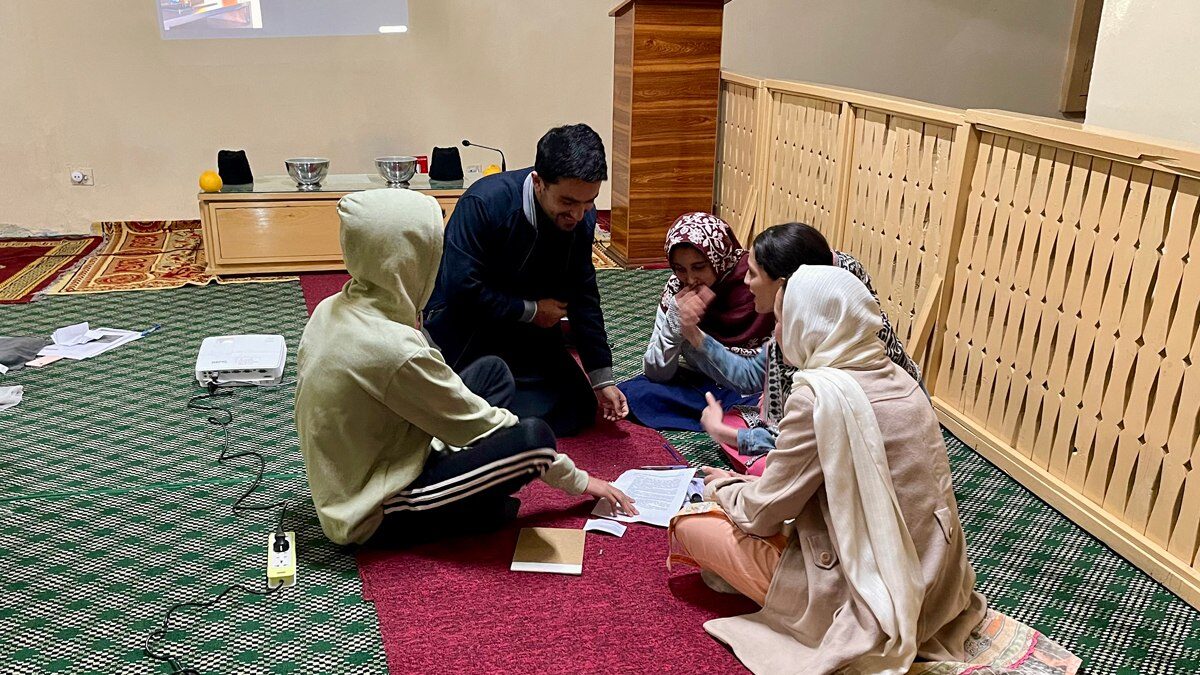
He also draws attention to the resilience developed through STEP’s demanding structure. Students balance multiple roles as mainstream teachers, Ismaili religious education teachers, and full-time postgraduate students. This “multifaceted experience,” he argues, builds the adaptability needed to respond to the real questions young people bring to the classroom. As he notes, the aim is not perfection, but to remain present and responsive to students.
Growing into the role: a return to learning
For some STEP participants, the programme represents a deliberate return to learning at a stage when many of their peers focus on career progression. This decision reshapes how they understand teaching and their own professional development.
Sahil Himani, from Dhandhuka in Gujarat, India, completing his Field Teaching Practice with the Local Board for North Mumbai under Western India ITREB, reflects on this transition:
The STEP programme has helped me understand that teaching is not only about knowledge, but about developing values and skills within ourselves first.
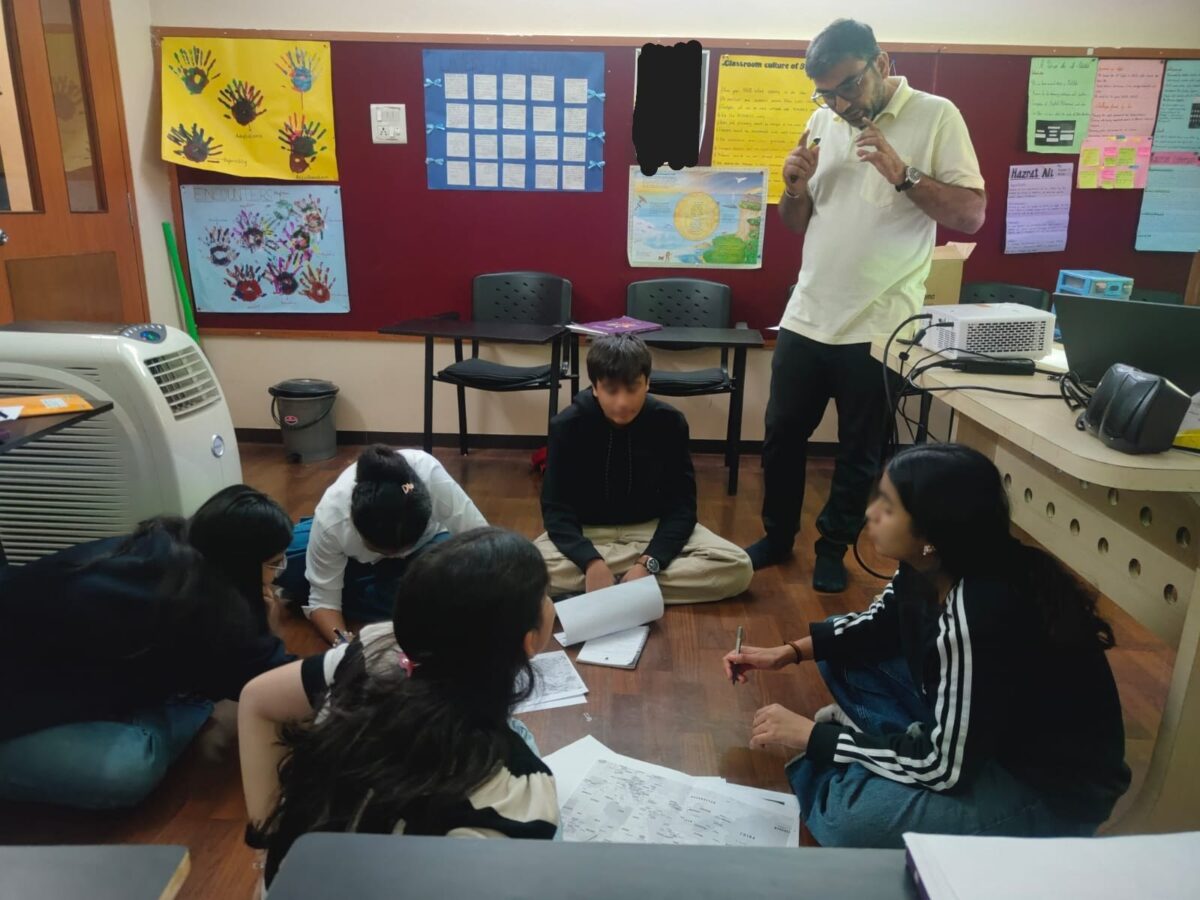
His experience of contributing to Curriculum Teaching and Learning Committees and observing a meeting of the IIS Board of Governors broadened his understanding of educational leadership. These institutional encounters strengthened his confidence and clarified his sense of professional purpose.
During his Field Teaching Practice, Himani has focused on creating opportunities for student dialogue, encouraging peer learning, and fostering classroom environments where diverse perspectives are valued. His understanding of teaching has evolved from delivering fixed content to engaging in a dynamic process of observation, reflection, and adaptation.
A programme that continues to unfold
Taken together, these reflections show how STEP connects academic learning with community practice. STEP is not only a teacher training programme; it is, as participants describe it, a framework for continuous development also grounded in critical pedagogy, inclusive practice, and professional responsibility.
From Syria to Pakistan, and from India and beyond, the second-year cohort is translating the curriculum of their London-based study into lived classroom practice. The challenges they encounter are varied from multilingual classrooms to changing social and educational contexts, but they are accompanied by a keen sense of purpose.
As Inara Talat reflects:
STEP doesn’t make you the perfect teacher; it makes you into someone who is constantly striving to be better, and there is a real beauty in that.
About the STEP programme
STEP is a two-year postgraduate programme offered by The Institute of Ismaili Studies. It prepares Ismaili educators to teach religious education at secondary level, combining academic study with supervised Field Teaching Practice in students’ home contexts.
The programme includes a Master of Arts (MA) in Muslim Societies and Civilisations and a Postgraduate Diploma (PGDip) in Teaching and Reflective Practice. These are delivered through a collaboration between The Institute of Ismaili Studies, IOE at UCL, and SOAS University of London.