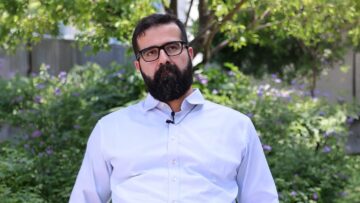
What are some scholarly views on women leading prayers for mixed-gender congregations?
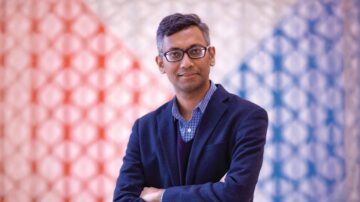
In this video, Dr Karen Bauer, Associate Professor in Qurʾanic Studies, examines whether women can lead mixed-gender prayer.
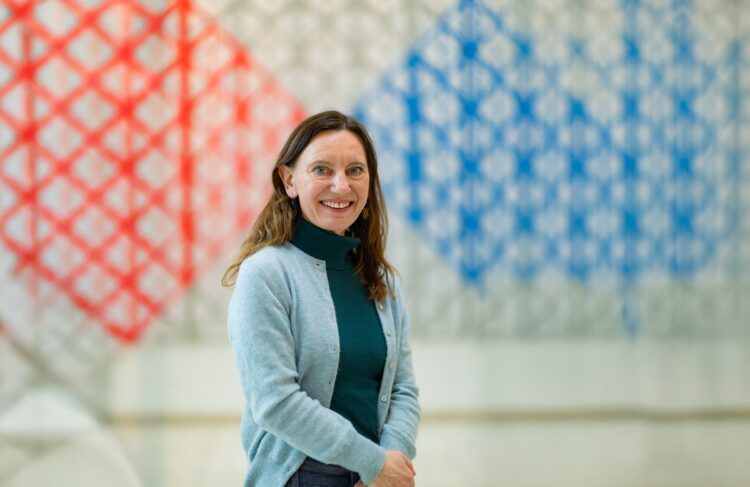
Dr Karen Bauer, Associate Professor in Qurʾanic Studies
Dr Bauer explains that her research shows that the Qurʾan does not prohibit women from leading men in prayer. She highlights historical accounts of at least three women in early Islam who led mixed-gender prayers, including Umm Waraqa. She explores how and why later Islamic jurists came to prohibit the practice almost universally, examining the reasoning behind their rulings. Finally, Dr Bauer discusses contemporary Muslim women who lead mixed-gender prayers , including Dr Amina Wadud.
Resources
- The Inclusive Mosque Initiative
- A discussion of Dr Simonetta Calderini book ‘Women as Imams’
- Shehnaz Haqqani discussing her book Feminism, Tradition and Change in Contemporary Islam: Negotiating Islamic Law and Gender (Oneworld Academic, 2024).
- Podcast on the book Women as Imams, by Simonetta Calderini (Podcast by Dr Usaama al-Azami and Dr Omar Anchassi)
- Women as Imams: Classical Islamic Sources and Modern Debates on Leading Prayer. By Simonetta Calderini. London: I. B. Tauris, 2020
- Feminism, Tradition and Change in Contemporary Islam: Negotiating Islamic Law and Gender, by Shehnaz Haqqani. Oneworld Academic, 2024.
About the series
Questions & Reflections explores questions about Ismaili and Muslim history, faith, doctrine and practice through the lens of IIS scholarship. Drawing on the expertise of IIS scholars and research, each video takes a question and offers a short, scholarly response. From translations of the Qur’anMuslims believe that the Holy Qur’an contains divine revelations to the Prophet Muhammed received in Mecca and Medina over a period of 23 years in the early 7th century CE. More and the history of the Ismaili Imamat to religious authority, cultural traditions and the diversity of Muslim practice, the series invites viewers to explore the histories, ideas and contexts that have shaped Muslim and Ismaili traditions across time.